
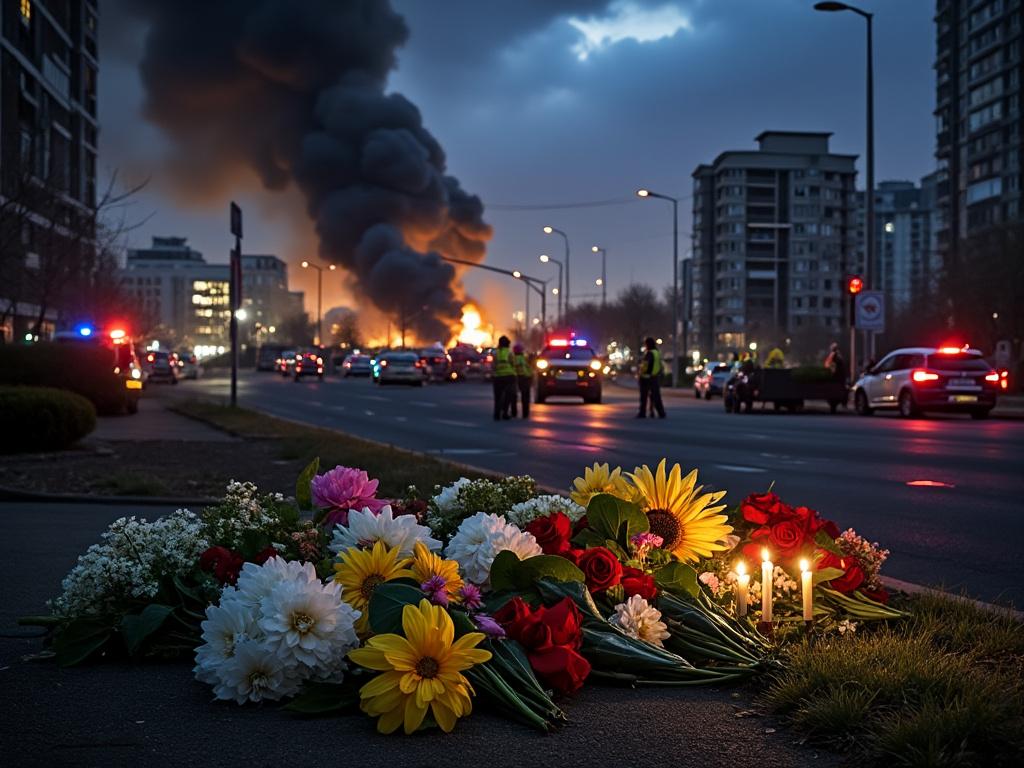
On the night of July 30, 2025, Kyiv faced a devastating assault as missiles and drones targeted the city, claiming lives and destroying infrastructures. This article delves deep into the harrowing event and its implications on the capital city’s resilience.
The Assault
The night of July 30, 2025, descended into terror as air raid sirens wailed across Kyiv, marking the onset of the most severe assault in months. It began at 10:23 PM, with residents scrambling to bunkers as the skyline was pierced with the eerie glow of incoming missiles. The primary targets included the densely populated Podil district and the infrastructure hubs near Vydubychi. Armed with thermobaric warheads and precision-guided munitions, the attackers launched over 50 missiles in a synchronized barrage, complemented by swarms of drones. Iconic structures, such as the Kyiv Pechersk Lavra and the Central Railway Station, suffered extensive damage. Residential areas suffered greatly as buildings crumbled and fires erupted, painting a stark picture of the attack’s immediate physical impact on Kyiv’s urban tapestry.
Casualties and Emergency Response
The July 30 attack left Kyiv reeling under the gravest of circumstances, with casualties and injuries soaring into the hundreds. Emergency services, pushed to their limits, performed round-the-clock rescue operations amidst unrelenting chaos. Makeshift emergency centers sprang up across the city, transforming schools and community halls into triage units. Amidst the devastation, acts of extraordinary bravery emerged. A poignant story from that night was the rescue of patrol officer Liliia Stepanchuk, trapped under rubble for hours before being saved by her colleagues and volunteers who risked their lives amidst aftershocks and ongoing threats. The community’s response was a powerful testament to resilience, as locals and international aid workers joined forces, providing medical, psychological, and logistical support, encapsulating a night of profound tragedy and compelling heroism.
Political Reactions and International Response
Following the devastating July 30 attack on Kyiv, Ukrainian President Volodymyr Zelensky delivered a powerful address, condemning the assault and labeling it a “barbaric act against humanity.” Zelensky urgently called upon global allies for increased military and humanitarian aid, emphasizing the dire situation on the ground. In response, the European Union quickly convened and immediately issued a strong condemnation of the aggression, declaring enhanced sanctions against Russia. The United States bolstered their stance by announcing immediate shipments of defensive weaponry to Ukraine. The UN Secretary-General called for an emergency Security Council meeting, seeking to address the breach of international peace and security. Meanwhile, international NGOs ramped up their operations, focusing on medical aid and refugee support, reflecting the global outcry and solidarity with Ukraine. This collective response highlighted a reinforced commitment to supporting Ukraine’s sovereignty and the welfare of its people amidst ongoing conflict.
The Morning After
The morning after the devastating attack, Kyiv was a city shrouded in sorrow yet pierced by the palpable determination of its people. As dawn broke, residents emerged from shelters to a landscape of crumbling facades and streets littered with debris. Personal stories of survival and loss painted a harrowing portrait of the previous night. One resident, Olga, tearfully recounted being rescued from the rubble of her apartment, clutching a photo of her husband who did not survive. Elsewhere, volunteers and emergency workers formed human chains, removing debris and searching for survivors among the wreckage. Despite the heavy air of mourning, there was a prevailing spirit of solidarity. Community leaders rallied, setting up impromptu aid stations, while locals shared resources and comforted each other. The overall morale, though battered, bent towards resilience, as the community united to rebuild in the face of overwhelming grief and destruction.
Socio-Economic Impact and Long-Term Implications
The socio-economic fabric of Kyiv, already worn by ongoing conflicts, faced further distress following the July 30 attack. Housing infrastructures crumbled under the bombardment, displacing thousands and dramatically escalating the housing crisis in the city. Healthcare facilities, already stretched thin, struggled to cope with the influx of casualties, compromising the treatment of both war-related injuries and routine medical needs. Schools, essential for normalcy and development in children’s lives, suffered damages, interrupting education and exacerbating the psychological toll on the young population.
Local businesses, many of which had sustained the economic heartbeat of the city through turbulent times, were either destroyed or faced severe disruptions, throttling supplies and escalating unemployment. The psychological impact on residents deepened, with increases in anxiety, depression, and PTSD—intensifying the already prevalent war fatigue. Yet, amid these adversities, Kyiv’s community demonstrated remarkable resilience, rallying to support each other and beginning to lay down the initial frameworks for future security measures and urban rebuilding strategies, envisioned to fortify the city against future adversities.
Conclusions
The July 30 attack on Kyiv marks a harrowing escalation in conflict, underscoring the devastating human and infrastructural toll. As the city mourns and rebuilds, the strength and unity of its citizens shine through, presenting a poignant narrative of both profound loss and enduring resilience.