
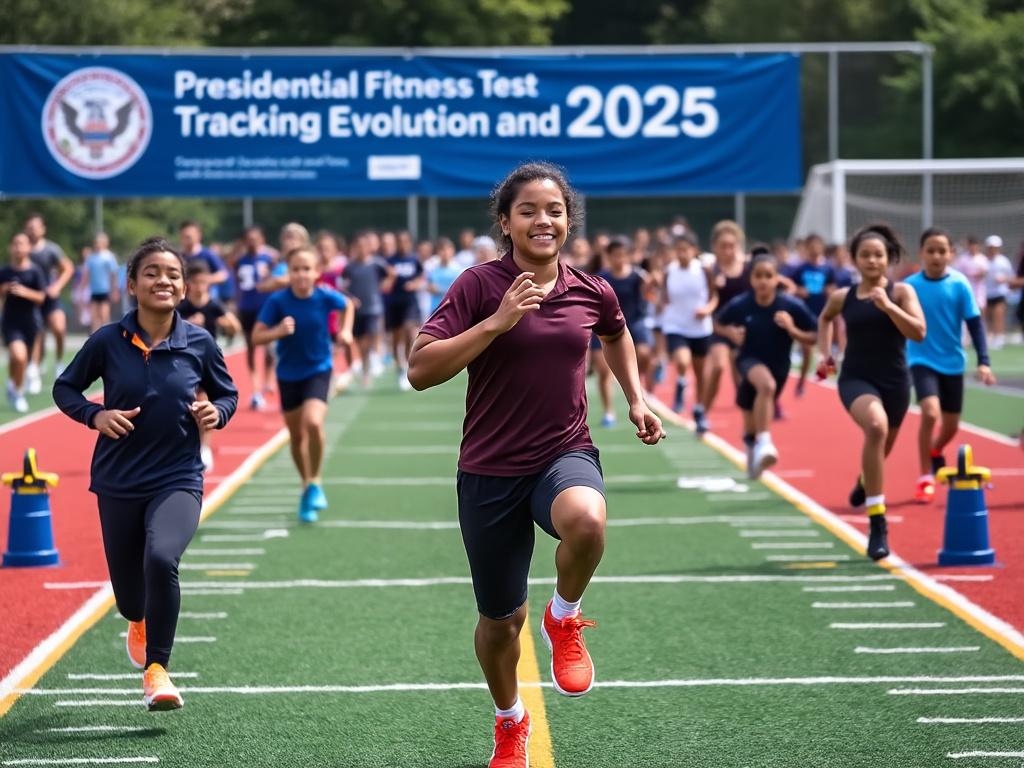
The Presidential Fitness Test, a historic benchmark in school fitness, is set to make a comeback in 2025. This revival brings with it both nostalgic memories and modern debates, demanding a closer look at its implications for today’s youth.
The Birth of the Test
The Birth of the Test: The inception of the Presidential Fitness Test can be traced to the 1950s, amidst growing concerns about the physical condition of U.S. children compared to their European counterparts. Sparked by a report showing that American youth were significantly less fit, President Eisenhower established the President’s Council on Youth Fitness. This initiative represented more than a national health campaign; it was a strategic response to the exigencies of the Cold War, emphasizing the need for a robust and capable generation ready to meet global challenges. This movement, reflecting a broader effort to bolster national vitality, aimed not only at improving physical education curriculum but also at instilling a regimen that could prepare youths physically and mentally for the demands of the future.
The Original Test
The Presidential Fitness Test, established nationwide under President Johnson in 1966, was designed as a comprehensive measure of student fitness, encapsulating a variety of physical challenges. Its rigorous components included the iconic mile run, pull-ups, sit-ups, shuttle runs, and stretches. Each activity aimed to evaluate different physical strengths: cardiovascular endurance, muscle strength, flexibility, and agility. Standards were set high, evolving over time, pushing students to achieve the Presidential Award, a symbol of exceptional fitness. This prestigious recognition required top percentile performance across all events, reflecting the administration’s goal of fostering a robust youth prepared to meet the demands of a promising future. Notably, the shifting criteria mirrored broader changes in health perceptions and educational priorities, making the Test both a ruler of individual fitness and a marker of generational vitality.
A Generational Experience
The Presidential Fitness Test, while fostering a culture of physical discipline, also triggered psychological and social repercussions among students. Many educators and psychologists have pointed out that the test inadvertently emphasized competitiveness over personal health goals, creating a daunting experience for less athletic children. This often resulted in heightened anxiety and a sense of inadequacy, contributing to a negative attitude towards physical activity. Moreover, the focus on standardized physical benchmarks failed to account for individual physical capabilities or health issues, exacerbating disparities among students. Critics argue that this approach neglected the educational principle of inclusion, focusing more on elite performances than on improving the general health of all students. This backdrop of criticism set the stage for the subsequent reforms intended to transform the test into a more inclusive and health-oriented challenge.
Phasing Out and Reform
By the Obama era, the Presidential Fitness Test underwent a pivotal transformation to respond to past criticisms emphasizing competitiveness and one-size-fits-all benchmarks. These reforms shifted the focus from merely measuring performance against a national standard to tracking individual progress and fostering lifelong physical activity. The reevaluation led to the introduction of a more inclusive framework that celebrated personal health gains rather than comparative accomplishments, marking a significant move from performative to preventive health measures. This approach aligned physical education more closely with contemporary health pedagogies, focusing on the development of a healthier lifestyle over short-term victories.
The 2025 Revival
The decision to reintroduce the Presidential Fitness Test in 2025 underscores a national response to the climbing obesity rates among children, marking a pivotal shift towards reinvigorating physical education. This revival incorporates restructured evaluations, focusing on inclusivity and the holistic development of students’ physical health. Critics and educators are currently engaged in intense discussions about the test’s format, debating its ability to foster genuine enthusiasm for physical fitness without reverting to the competitive and exclusionary practices of the past. There’s a cautious optimism that with thoughtful implementation, this initiative can help establish healthier lifestyle foundations for America’s youth, striving to learn from the shortcomings of the previous system.
Conclusions
The reintroduction of the Presidential Fitness Test signals a renewed focus on physical education amid rising concerns about youth health. It challenges us to balance tradition with innovation, ensuring all students benefit from a reformed approach to fitness.