
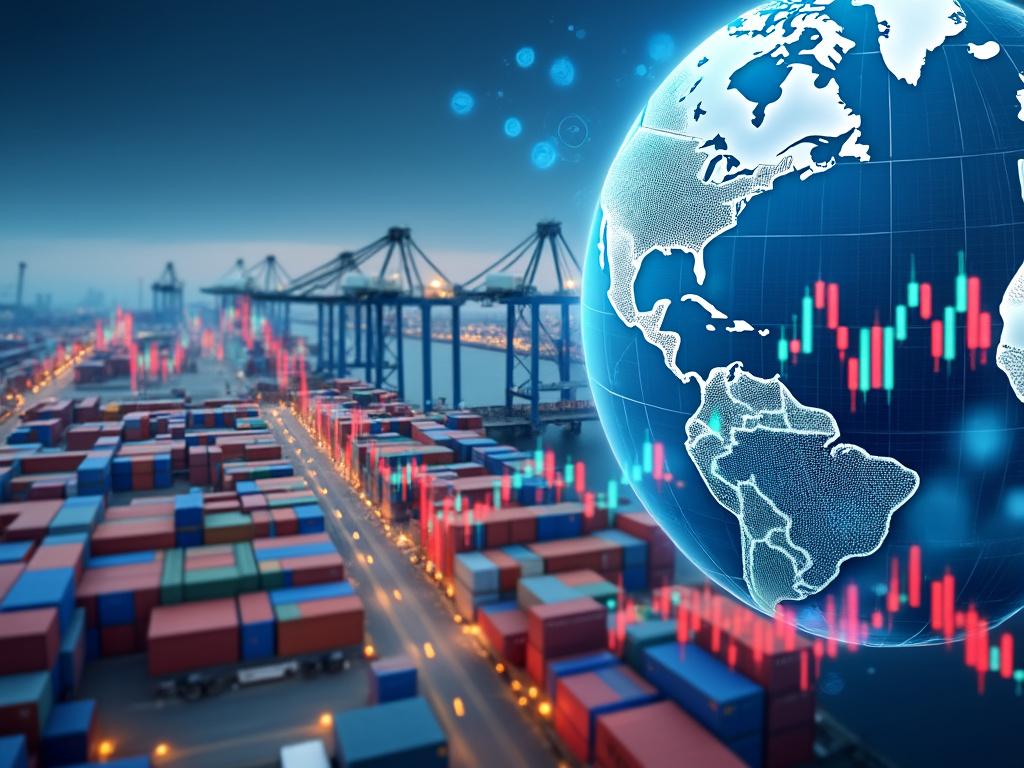
In 2025, President Trump’s administration introduced significant tariff measures targeting goods from Canada and Mexico, marking a profound shift in U.S. trade policy. This article delves into the wide-ranging effects of these tariffs on economic sectors, international relationships, and the broader global economy.
The Genesis of the 2025 Tariff Policy
In 2025, President Trump revisited his controversial tariff strategy, aiming to combat drug trafficking and renegotiate trade terms. These tariffs represented a stark departure from decades of U.S. trade liberalization, targeting both long-standing allies and competitors. Canada and Mexico, core partners in the North American trade landscape, were notably impacted. The immediate response from these nations highlighted a mix of urgency and caution, as they struggled to realign their trade policies with the sudden shifts dictated by the U.S., affecting cross-border investments and disrupting established supply chains. This new tariff regime hinted at deeper geopolitical shifts, as it aimed to recalibrate the economic and strategic alliances that had shaped global trade since the post-World War II era.
Market Shock and Immediate Economic Fallout
Following the announcement of President Trump’s 2025 tariffs, critical shockwaves were immediately evident across both U.S. and global stock markets. Primarily, the retail and automobile sectors were thrust into significant turmoil. Retailers, dealing with sudden increases in costs for imported goods, faced pressing decisions about price adjustments or reductions in inventory levels. Meanwhile, automobile manufacturers confronted escalating production costs due to higher priced imported parts. In response to this economic disruption, the administration implemented targeted delays for goods compliant with the United States-Mexico-Canada Agreement (USMCA), attempting to mitigate the severest impacts. This strategy aimed to provide temporary relief for these industries while they adjusted to the new trade dynamics, yet sustained uncertainty lingered, hinting at deeper, more enduring shifts in the economic landscape.
Impact on the Automobile Industry and Broader Economic Projections
Amid the economic tumult described previously, the auto industry emerged as a focal point in the tariff discourse. The enforcement of a 25% tariff on imported autos and parts, ostensibly to bolster domestic manufacturing, propelled vehicle costs sharply upward. This surge not only strained consumer budgets but also pressured automotive manufacturers who relied on a complex global supply chain.
The broader economic landscape shifted in response, with GDP growth projections adjusted downward, reflecting heightened uncertainty and discretionary spending. Inflation rates experienced upward pressure as higher production costs were passed onto consumers across various sectors, not just automotive.
The Federal Reserve faced a precarious balancing act—mitigating inflation while striving to keep the economy on a growth path amidst rising prices and decelerating investment. The ripple effects of this tariff regime set the stage for international reactions and complicated the Fed’s policy adjustments significantly, leading into a cycle of global trade retaliations discussed in the following sections.
Global Retaliation and the Escalation of Trade Wars
Following the introduction of a 25% tariff on imported autos and parts, the ripple effect induced a cycle of global retaliation. Canada swiftly imposed reciprocal duties targeting U.S. goods including Kentucky bourbon and Wisconsin cheese, aiming precisely at the political constituencies of key U.S. policymakers. Europe and Asia followed suit, with the European Union targeting more than $3 billion worth of American exports from motorcycles to jeans, and China imposing tariffs on soybeans and other agricultural products, severely impacting U.S. farmers.
These measures resulted not only in escalated trade tensions but diminished the forecast for global trade volumes. Industries beyond the targeted ones, like agriculture and manufacturing, found themselves in the crosshairs, facing higher input costs and retaliatory tariffs on their exports. This tit-for-tat tariff war manifested in a strained international economic relationship that could potentially reshape long-term geopolitical alignments and economic partnerships.
As we pivot to the next discussions on the broader legal and political implications of these tariffs, the backdrop of strained international relations will illuminate the criticality of navigating future trade policies carefully.
Navigating the Future: Legal, Political, and Economic Considerations
In response to the complex landscape shaped by both domestic and international reactions to Trump’s tariffs, ongoing legal battles have emerged challenging the scope of tariff authority. These disputes predominantly argue the balance of power between the presidency and Congress in trade matters, raising constitutional questions about the delegation of trade responsibilities. Amid these controversies, businesses are actively seeking ways to adapt, with strategies increasingly centered on supply chain diversification and lobbying for more predictable trade policies.
In parallel, the evolving trade landscape continues to be influenced by intense negotiations both at home and across borders. U.S. trade policy is at a crossroads, with potential shifts hinging on the outcomes of upcoming elections and ongoing international trade discussions. Pressure mounts from various industries that have felt the sting of retaliatory tariffs, lobbying for a recalibration of current policies. The future trajectory of U.S. trade strategy may pivot towards more engagement and possibly, a reduction in tariff use as negotiation tools, aiming to stabilize trade relations and economic growth.
Conclusions
President Trump’s 2025 tariffs have ushered in a period of significant economic disruption and political controversy. As industries and nations navigate the turbulent waters of increased trade barriers, the long-term impacts on global trade dynamics and domestic economic stability continue to unfold. The future of these policies and their global implications remains uncertain, requiring vigilant observation and strategic agility.