
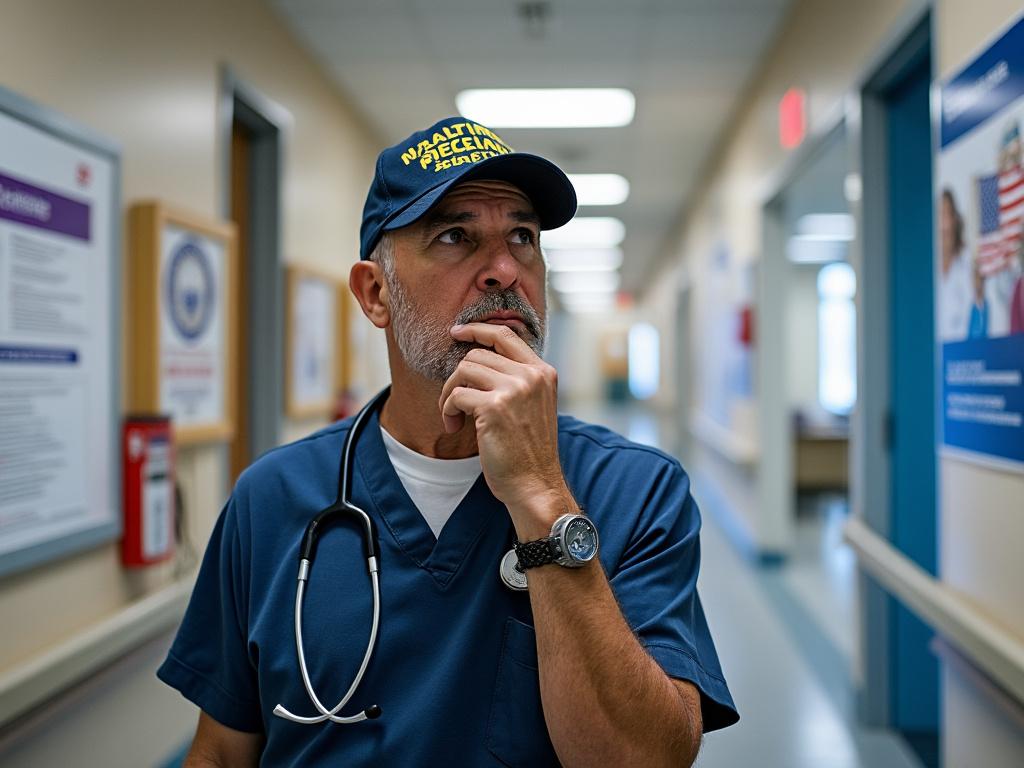
In a controversial move, the Trump administration has proposed revoking a Biden-era policy that enabled limited abortion services at VA facilities. This decision impacts the reproductive healthcare of veterans, sparking nationwide debates on its broader implications.
Details of the Policy Change
On August 2, 2025, the Trump administration officially proposed revoking the rule set during Biden’s presidency that allowed Veterans Affairs (VA) facilities to perform abortions under circumstances of rape, incest, or when the mother’s life was at risk. This significant policy shift involved the filing of a new rule which underwent a typical but expedited review process aimed at quick implementation. It starkly reversed the earlier policy that responded to specific hardships faced by female veterans, effectively narrowing their access to abortion through VA systems. This change not only removed the provisions in exceptional cases but also reinstated an older framework that withheld such medical services from VA facilities, showcasing a return to more restrictive veteran healthcare policies.
Political and Policy Background
The abrogation of the Biden-era rule allowing abortions at VA facilities by the Trump administration reflects a solidification of traditional Republican positions, actively supported by influential anti-abortion factions, notably those steering Project 2025. VA Secretary Doug Collins publicly aligned with these groups, asserting that the policy reform restores ‘veteran-centric care principles and aligns VA policies with federal laws.’ Meanwhile, House Veterans’ Affairs Committee Chairman Mike Bost argued that this motion not only fulfills a significant electoral promise but also underscores a government’s duty to uphold ‘life-preserving values.’ These declarations spotlight the administration’s intent to court conservative and anti-abortion voters, anchoring the policy shift firmly within their broader political strategy.
Impact on Veterans
The revocation of abortion services at VA facilities under the Trump administration significantly impacts the substantial number of women veterans who are survivors of sexual assault. These individuals often face heightened risks of unintended pregnancies due to their traumatic experiences. Restrictive state laws compound their predicament, severely limiting their access to necessary reproductive healthcare. The rollback not only escalates psychological distress but also reinforces the barriers to adequate support services, intensifying feelings of isolation and helplessness among these veterans. The policy’s withdrawal has thus woven a complex web of emotional turmoil and healthcare inaccessibility, directly affecting veterans’ lives and well-being.
Wider Context: Rollback of Civil and Human Rights Protections
The decision to restrict abortion services at VA facilities is emblematic of the Trump administration’s broader retreat from civil and human rights protections established in the prior era. This pattern of reversals includes significant cutbacks in areas such as transgender rights within the military and changes to healthcare policies that previously expanded access to services for marginalized populations. Scrutinizing these shifts underlines a deliberate agenda to reshape federal interventions in ways that often dilute the protections for civil rights, echoing historical regressions in policy that harm vulnerable groups. These alterations portray a retraction from practices aimed at enhancing inclusivity and healthcare access, spotlighting a philosophical pivot in governance that prioritizes state autonomy over individual rights. This overarching strategy raises concerns about the cumulative impact on equitable treatment and justice within U.S. policies.
Next Steps and Outlook
As the Trump administration’s revised rule concerning abortion services at VA facilities enters the public comment period, significant legal challenges are anticipated. Legal experts suggest that grounds for these challenges could center around issues of constitutional rights and equal protection under the law, notably for women veterans seeking reproductive healthcare. Veteran advocacy groups are poised to challenge the rule, arguing that it discriminates against female veterans and potentially endangers their health. The ensuing legal battles could set a pivotal precedent for the future of reproductive rights in veterans’ healthcare. Critics also caution that this legal uncertainty may lead to temporary halts in service provision, affecting immediate access to necessary care for veterans. Furthermore, the future outlook remains contingent on ensuing court decisions and possible legislative responses, suggesting a volatile path ahead for VA abortion policies.
Conclusions
With the Trump administration’s decision to revoke abortion access at VA facilities, tens of thousands of U.S. veterans face diminished healthcare options, potentially putting their lives and well-being at risk. This policy shift highlights the ongoing debate over reproductive rights and the role of the federal government in determining such sensitive healthcare provisions.