The Presidential Fitness Test, a hallmark of school fitness programs since the 1960s, is set for a significant return in 2025. However, experts and educators are calling for transformative changes to modernize the program and align it with contemporary educational values and inclusivity.
Historical Overview and the Need for Revival
Enthusiasm is palpable among educators and experts regarding the reimplementation of the Presidential Fitness Test, but there are strong voices advocating for pivotal reforms. These leaders emphasize the necessity of updating the benchmarks to reflect contemporary understandings of health and fitness, advocating for a more inclusive and diverse measurement system that accommodates various physical abilities and body types. Suggestions include integrating technology for tracking progress and providing diverse challenges that go beyond traditional physical exercises, such as mental wellness and nutrition components. This revitalized approach aims to foster a holistic model of health, encouraging lifelong fitness habits among young Americans, rather than merely measuring athletic prowess.
The Announcement of Revival and its Implications
In 2025, the revival of the Presidential Fitness Test was initiated by an executive order from President Donald Trump, responding to mounting concerns over the declining physical health of America’s youth. With obesity rates and sedentary lifestyles escalating alarmingly among children, the reintroduction aimed to catalyze a national movement towards fitness. Advocates emphasized that a structured physical assessment could serve as a critical monitoring tool while also fostering a culture of activity and fitness in educational environments. This initiative was supported by key societal and governmental insights indicating that physical education was losing ground within school curricula, contributing further to health issues. The new directive highlighted not just a return to form, but a crucial pivot towards addressing broader health crises facing future generations.
Proposed Reforms for Modernization
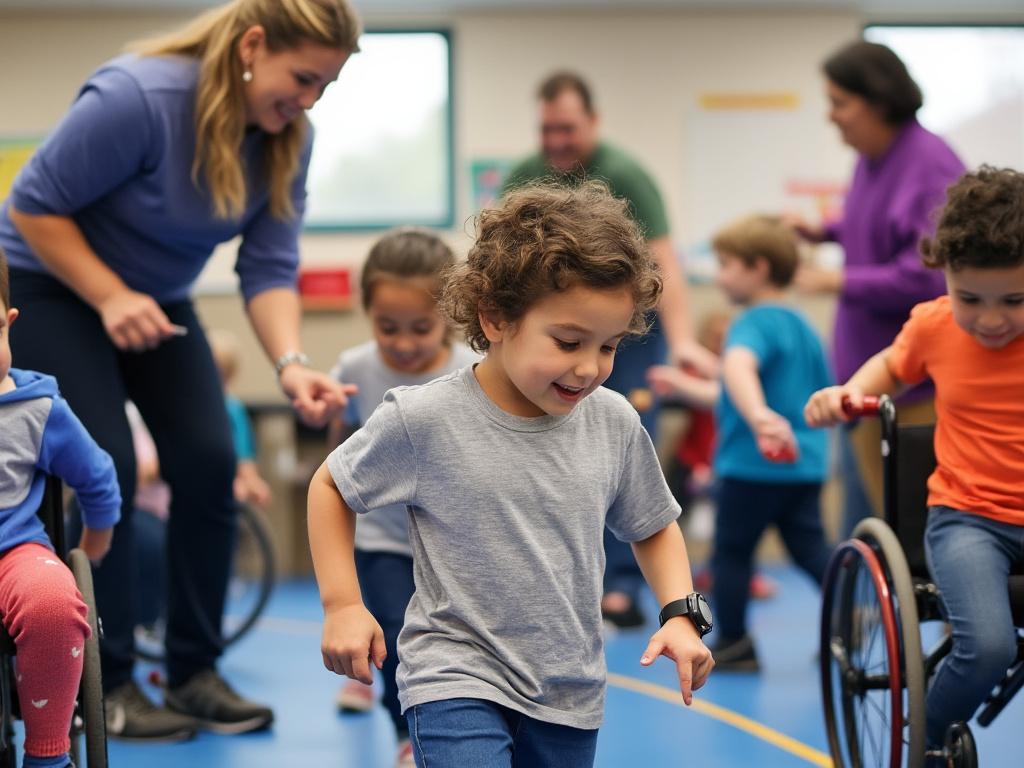
In response to modern health challenges, proposed reforms to the Presidential Fitness Test focus on fostering personal growth and improving overall well-being, rather than solely measuring physical capability. These reforms include personalized benchmarks that encourage continuous personal progress rather than competing against peers. Moreover, the new framework promotes inclusivity by adapting tests to accommodate children with different physical abilities, ensuring every student can participate meaningfully.
Additionally, the proposed changes integrate broader health metrics, embracing aspects of nutrition and mental health alongside traditional physical fitness exercises. This holistic approach is designed to cultivate a comprehensive understanding of health and wellness among students, moving away from the historical emphasis on competitive physical trials. By refocusing the test on personal development and wide-ranging health education, the aim is to instill lifelong habits of health maintenance, rather than momentary athletic prowess.
Challenges and Opportunities
Against the backdrop of the proposed modernization of the Presidential Fitness Test, several hurdles surface, primarily from traditionalists who might see these changes as a dilution of the original test’s rigor and purpose. Fears abound that emphasizing personal growth over competitive benchmarks could lessen the test’s challenge. Additionally, logistical challenges are evident in needing to equip schools with resources to monitor a broader spectrum of health metrics, requiring significant investments. Another layer of complexity is updating physical education teachers’ training to seamlessly integrate these new principles and technologies.
However, these reforms unlock substantial opportunities. By focusing on individual progress rather than comparative performance, the test can enhance student motivation, providing each student with a personalized fitness goal. Health monitoring incorporated into the test could allow for early detection of potential health issues, enabling interventions that may prevent long-term problems. Most crucially, redefining success in the test to include various health metrics fosters a more inclusive environment, encouraging all students to engage actively in improving their health regardless of their initial fitness levels. This approach not only broadens participation but also enhances the overall well-being of America’s youth.
Evaluating Success and Looking Forward
Evaluating the success of the revamped Presidential Fitness Test centers around comprehensive feedback mechanisms and adaptive criteria. Success metrics include improved student health outcomes, recorded through longitudinal studies involving multiple cohorts. Continuous feedback from educators, regularly assessing both the physical and psychological impacts of the fitness test, will guide necessary adjustments. As health paradigms evolve, the test will adapt, integrating modern understanding of fitness and health equity to ensure it reflects current educational and health objectives. Looking forward, the program will periodically integrate new research findings and technologically enhanced tracking tools to stay abreast of educational needs and public health trends.
Conclusions
As the Presidential Fitness Test makes its anticipated return, the focus is firmly on adapting the program to foster inclusivity and personal growth. While embracing its storied past, the revamped test must ensure it promotes health without sacrificing student well-being or creating undue pressure.