
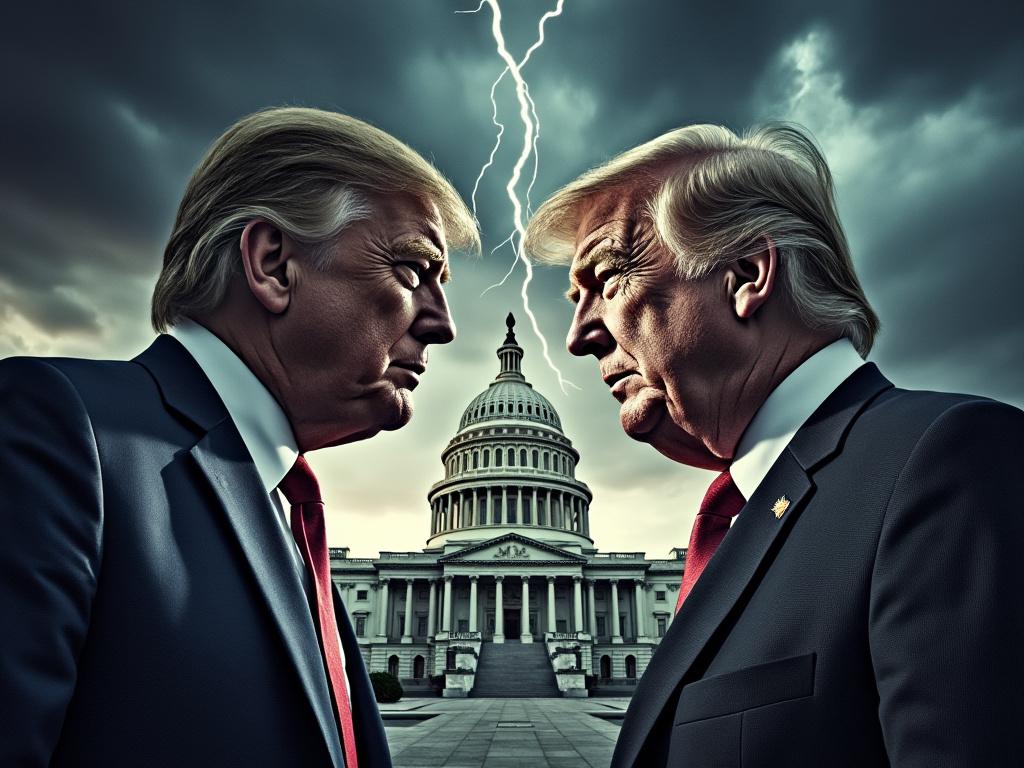
In a striking display of political dissent, over 50 Texas Democratic state representatives fled to Illinois to break the legislative quorum, catalyzing a confrontation with Governor Greg Abbott over the state’s redistricting plans and the bounds of legislative protest.
The Escape to Illinois and Its Motivations
The decision by Texas Democrats to flee to Illinois represented a highlight in their heated opposition against the newly proposed GOP congressional maps. These maps were perceived to strategically dilute the voting power of Democratic strongholds, effectively tightening the Republican grip on Texas. Such drastic gerrymandering sparked fears of undermining representative democracy, prompting Democrats to take extreme measures to block the legislation by denying quorum. This walkout wasn’t just a protest against a single policy, but a broader stand against what they viewed as an ongoing assault on fair electoral processes. Their departure to Illinois was therefore not only a means to stall the legislative process but also a method to draw national attention to their cause, hoping to rally support and provoke intervention at the federal level. The move laid bare the deep fractures and escalating partisanship within Texan politics, reflecting a larger national trend of increasing political polarization.
Abbott’s Ultimatum and Legal Threats
Governor Greg Abbott’s reaction to the Democrat walkout was marked by formidable warnings, including threats of removal from office. Utilizing Texas Attorney General Opinion No. KP-0382 as a cornerstone, Abbott argued he possessed the legal authority to act decisively against the absent Democrats. This document suggested that state law might support measures against legislators who hinder legislative operations through absence. The use of such a polarizing legal opinion highlights the depth of the conflict, reflecting an aggressive gubernatorial stance on maintaining legislative control. Abbott’s approach stirred significant controversy, painting a complex picture of legal authority and executive power in Texas. This stark demonstration of executive enforcement raises questions about the balance of power in the state, further intensifying the Texas political showdown.
Legal Grounds and Controversy
Governor Greg Abbott’s threat to expel Texas Democrats hinges on specific legal interpretations, which demand a closer examination. Under Article III, Section 10 of the Texas Constitution, a quorum of two-thirds is required for each chamber to conduct business, which Abbott argues the Democrats violated by their walkout. However, the power to actually expel a member is typically reserved for blatant misconduct or criminal behavior, not absenteeism, as detailed in Article III, Section 40. The controversy further extends with Representative Briscoe Cain’s ironic attempt to introduce legislation to punish such walkouts. Cain’s proposals floundered precisely because the required quorum was not met—highlighting a Catch-22 that undermines the feasibility of such legislative penalties under current circumstances. Legal experts suggest Abbott’s and Paxton’s interpretations stretch constitutional and statutory provisions to their limits, potentially setting a precarious precedent that seeks punitive measures against political strategy rather than actual legislative malfeasance.
Broader Implications and Polarized Reactions
The standoff in Texas not only underscored legal battles but also ignited a broad spectrum of reactions across the nation. Democrats emphasized their walkout as a crucial stand for democratic values, portraying the scenario as a defense against Governor Abbott’s excessive use of power which they deemed a threat to the integrity of democracy itself. Conversely, Republicans framed the walkout as a dereliction of duty, suggesting Democrats abandoned their responsibilities, thus stalling the legislative process intentionally.
Public opinion was sharply divided. Surveys and polls demonstrated significant polarization, with responses often aligning closely with party affiliations. Media coverage mirrored this divide. Conservative outlets typically criticized the Democrats for causing legislative gridlock, whereas liberal platforms praised them for taking a bold stand against what they viewed as an overreach of authority.
Strategically, this incident has been used by both parties to galvanize their bases. Republicans have used the event to push for stricter rules on quorum requirements, while Democrats have highlighted it in campaigns to illustrate their commitment to protecting voting rights. This pivotal event thus not only reflects but also intensifies the deepening division in American politics, suggesting that such standoffs may become a recurring feature in the turbulent landscape of state and national governance.
Legal and Practical Limits
Governor Abbott’s threats to remove Texas Democrats from their positions following their walkout posed significant legal and jurisdictional boundaries. Power to unseat members traditionally lies with the legislative body itself, not the executive branch, setting a contentious legal backdrop to Abbott’s claims. The Democrats, in response, utilized this walkout as both a protest and a protective strategy, safeguarding their positions by exploiting Texas’s quorum rules. This standoff not only underscored the limitations and risks associated with such executive threats but also highlighted the inherent complexities in managing legislative conduct without crossing constitutional lines. Precedent for this scenario is scarce, thus the implications for future legislative processes remain uncertain. Such tactics reflect ongoing tensions in legislative strategies, particularly in contentious aspects such as redistricting, where political leverage and constitutional liberties frequently clash.
Conclusions
The standoff in Texas reflects deeper issues within American democracy, highlighting the contentious battle over redistricting and procedural power. As both sides stand firm, the outcome will likely resonate beyond state politics, testing the limits of legislative authority and the resilience of democratic institutions in the U.S.