In 2025, escalating tensions between the United States and Iran triggered nuclear fears and a brief yet intense conflict with Israel. Amidst these crises, the Iranian American community emerged as fervent advocates for diplomacy, urging the U.S. to seek peaceful resolutions instead of military interventions. This article delves into how their actions and calls for peace have shaped international sentiments and policy approaches.
The Crisis Context and Escalation
The Crisis Context and Escalation: Leading up to the 2025 U.S.–Iran crisis, U.S.-Iran relations had been severely strained. Previous diplomatic efforts faltered, plagued by mutual distrust and opposing geopolitical interests. A concurrent military buildup underscored these tensions, with both nations escalating their defensive postures. This precarious environment culminated in a brief, intense conflict between Israel and Iran, triggered by disputed border activities and proxy conflicts. The interactions rapidly exacerbated global instability, affecting oil prices and international security, while the immediate regional consequences included heightened military alertness and refugee flows, stressing an already volatile Middle East.
Iranian American Mobilization Advocacy for Peace
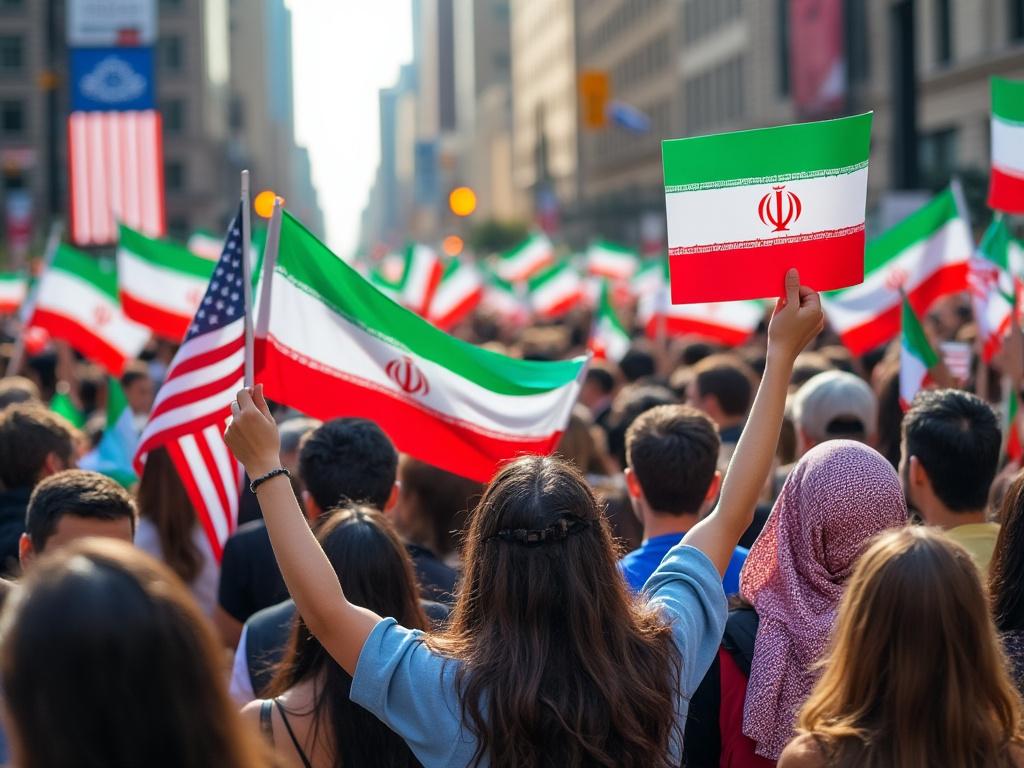
Faced with escalating tensions highlighted in the previous discussions, Iranian American organizations, notably the National Iranian American Council (NIAC), sprang into action to advocate for a non-military resolution. These groups orchestrated rallies, vigils, and powerful online campaigns that galvanized support across the U.S., steering public opinion against the notion of war. Such mobilizations found frequent coverage in media outlets, enhancing their reach and influence. Notably, these protests were not just reactionary; they facilitated platforms for dialogue, aiming to educate the broader public about the complex nature of U.S.-Iran relations, rooted in a profound cultural and historical context. Their persistent efforts portrayed not a foreign conflict, but a direct impact on the lives of countless Iranian American families, setting the stage for subsequent discussions on the human costs of potential conflict.
Framing the Human Cost Beyond Policy Toward Empathy
The human cost of the U.S.-Iran tensions and accompanying sanctions reaches deep into the lives of Iranian Americans, whose experiences span a vast emotional and tangible spectrum. Advocacy efforts often center on these personal stories, capturing the grief of families separated by travel bans and the anxiety of those watching as economic hardships affect loved ones overseas due to “maximum-pressure” sanctions. These narratives humanize the conflict, fostering empathy among wider audiences and underscoring the urgent need for peaceful resolution. This approach reframes the debate from one of geopolitical rivalry to shared human suffering, making the plea for peace not just political, but profoundly personal.
A Broader Push for Diplomacy and Nonviolence
In juxtaposition to the raw narratives of individual suffering detailed in the previous chapter, the Iranian American community’s push for diplomacy seamlessly intertwines with broader anti-war movements across the U.S., amplifying their call for nonviolent resolutions. Notably, during major demonstrations, their voices have synergized with global disarmament advocates and peace groups, stressing the peril nuclear arms pose to international security. This partnership has been instrumental in challenging narratives that propel military actions, instead promoting dialogue between U.S., Iran, and significant international actors like Israel. The coalition advocates for a reevaluation of traditional diplomatic approaches, easing sanctions to foster trust, and ultimately, de-escalating tensions at a multinational level through collaborative forums and treaties.
Looking Forward Potential and Uncertainties
The persistent advocacy by Iranian Americans against militaristic policies offers a fresh avenue for revamped U.S.-Iran diplomacy. Their sustained lobbying and peaceful protests serve as a barometer for the broader American sentiment, urging policymakers to prioritize dialogue over escalation. This relentless pursuit might not only recalibrate the dynamics of U.S.-Iran relations but also foster an environment conducive to constructing resilient peace frameworks. However, the intricate geopolitical tensions and domestic U.S. political climates envelop these endeavors in layers of uncertainty. Whether these community-led efforts will lead to a durable detente or merely temporary political accommodations remains a pressing question. The Iranian American community finds itself at a crossroads, advocating not only for peace but also for the nuanced understanding of Iran in American foreign policy, potentially shaping a future where diplomacy triumphs over discord.
Conclusions
The Iranian American community has demonstrated a compelling commitment to peace in the face of escalating U.S.–Iran tensions. Their strategic mobilization and advocacy have influenced both public opinion and political strategies, underscoring the importance of diplomacy over military actions in resolving international disputes.