
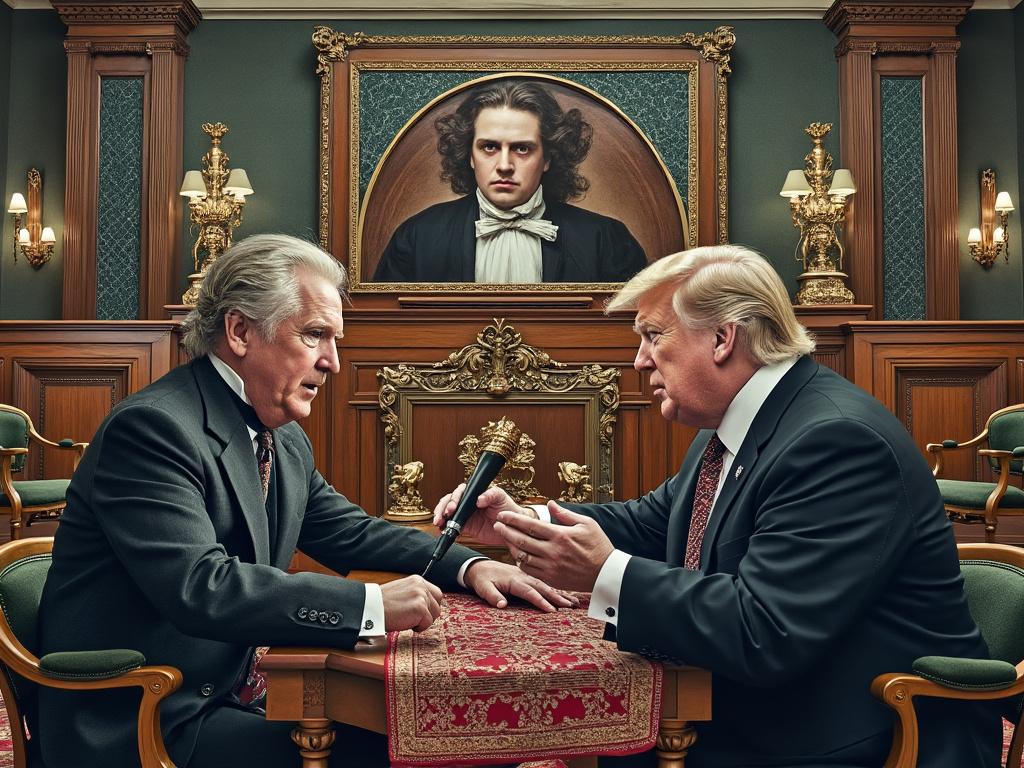
This article delves into the cautionary tale of Oscar Wilde’s libel case against the Marquis of Queensberry, drawing lessons for modern public figures like Donald Trump, who frequently engages in legal actions against critics.
Oscar Wilde’s Litigious Leap
Donald Trump, much like Oscar Wilde, faces the inherent risks associated with initiating litigious battles, particularly when they involve potentially self-incriminating allegations. Wilde’s libel suit against the Marquis of Queensberry, motivated by personal and emotional reasons, serves as a crucial lesson. It illustrates the peril of allowing personal grievances and emotions to dictate legal actions, especially without a clear, objective assessment of the potential exposure and backlash. Trump, similarly enveloped in a variety of legal entanglements, must heed the lessons from Wilde’s downfall, which was precipitated not just by the legal challenge itself, but by Wilde’s underestimation of the public and personal exposure that would ensue. His failure to anticipate how his private life could become ammunition for his adversaries is a timeless warning about the dangers of entering the legal arena without airtight defenses, especially when those lawsuits might unearth personal details best left unscrutinized.
The Trial That Toppled Wilde
In the throes of Wilde’s legal battle against Queensberry, the defense employed aggressive strategies that shifted the focus from the accusations to scrutinizing Wilde’s own life. By meticulously proving the truth behind Queensberry’s claims, his defense invalidated Wilde’s lawsuit. The process involved intense cross-examinations and the hiring of private detectives who unearthed details of Wilde’s private relationships, which were then splayed across public court proceedings. Wilde’s renowned wit, typically an asset, faltered under the pressure and direct questioning about his lifestyle. This exposition of his personal affairs not only undermined his case but also set the stage for further legal challenges, as the evidence gathered became tools for his subsequent criminal prosecution. The defense’s strategy not only deflected the original charges but effectively turned the legal system against Wilde, marking the beginning of his downfall.
From Litigant to Convict
Following Oscar Wilde’s decision to drop his libel lawsuit against the Marquess of Queensberry, the evidence unearthed during the proceedings swiftly metamorphosed into the catalyst for criminal allegations against him. The personal letters and testimonies initially submitted to discredit Queensberry were repurposed to substantiate charges of gross indecency under then-existing laws. This legal pivot highlighted a perilous flip; the accuser became the accused. Wilde’s situation deteriorated when this very evidence was used against him, marking a sharp transition from a position of litigation to being subject to criminal conviction. The rapid sequence of these events culminated in Wilde facing two subsequent trials, leading inexorably to a prison sentence that shattered his personal and professional life. This devastating transformation from a celebrated literary figure to a convict laboring in harsh conditions illustrates the severe consequences of a miscalculated legal battle, where personal secrets turned into public spectacles, irrevocably altering his fate.
Drawing Parallels with Donald Trump
Drawing direct parallels between Oscar Wilde’s catastrophic lawsuit and Donald Trump’s aggressive legal maneuvers, several core similarities emerge that illuminate the perils faced by public figures in litigation. Both Wilde and Trump, driven by a potent mix of pride and defiance, initiated legal actions that quickly spiraled beyond their control. Like Wilde, who ignored the advice of his peers by persistently pursuing his libel case, Trump has similarly dismissed counsel, choosing to fight often unwinnable battles in court. This tendency exposes them not only to significant legal defeats but also shifts the public and judicial scrutiny onto them instead of their adversaries. This reversal in focus, from accuser to accused, becomes a form of ‘legal boomerang’, where the consequences of their actions rebound to their detriment. Trump, not unlike Wilde, risks substantial personal and political fallout, especially when confronting well-resourced and determined opponents. Hence, understanding Wilde’s narrative could serve as a cautionary tale for Trump, highlighting that litigation, especially when fuelled by personal vindication, frequently results in unforeseen vulnerabilities and concessions.
Litigation as a Double-Edged Sword
Public figures like Trump should heed the warnings from Oscar Wilde’s legal pitfalls, where his libel case unexpectedly shifted to his own moral scrutiny. Trump’s frequent litigation could likewise spotlight unwanted aspects of his own affairs. Litigation, while a tool for rectifying grievances, often morphs into a public and unpredictable battleground. History shows these legal dramas can escalate, as stakeholders and the media dissect every related detail. Therefore, figures such as Trump must strategize legal actions with an acute awareness of their potential to backfire spectacularly. Thorough risk assessment and strategic advice are pivotal to mitigating these dangers, ensuring litigation does not evolve into a self-damaging spectacle.
Conclusions
The saga of Oscar Wilde’s libel lawsuit offers crucial insights for public figures like Donald Trump. Engaging in litigation, while occasionally necessary, can expose personal vulnerabilities and backfire severely, turning a quest for vindication into a disastrous ordeal.