
The disturbing case of ex-NFL running back LeShon Johnson’s involvement in one of the largest dog-fighting rings in U.S. history highlights significant issues in animal welfare and law enforcement. This article unpacks the investigation, legal proceedings, and its broad implications for animal rights.
The Investigation and Seizure
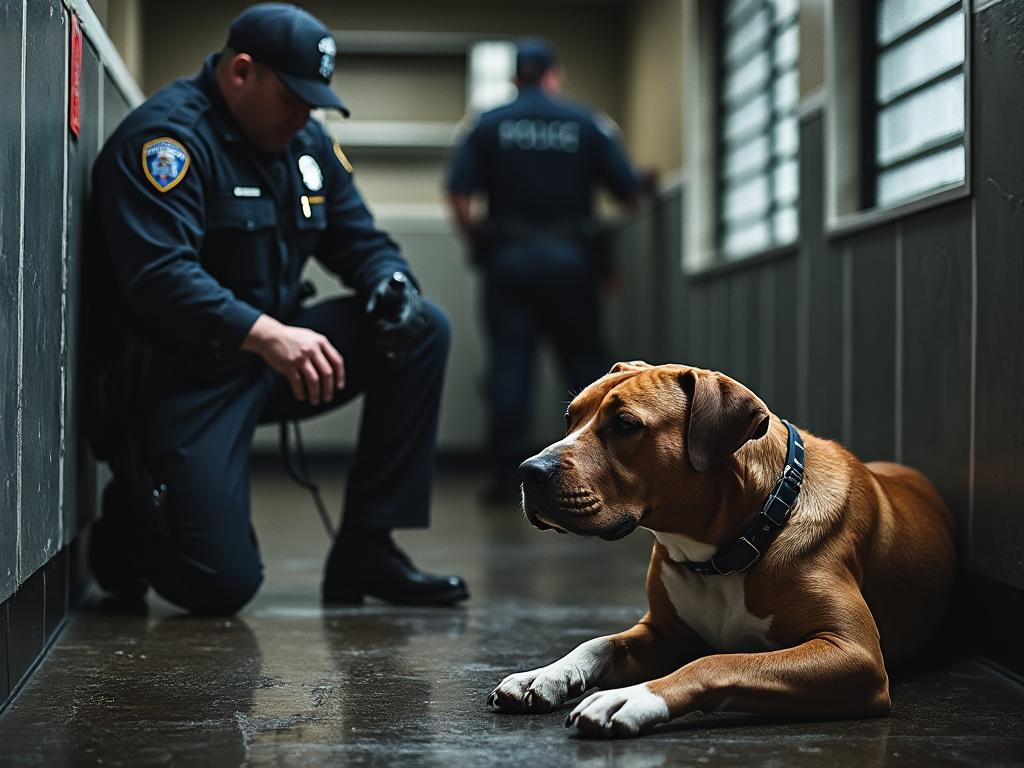
In the grim early morning hours of late October 2024, federal and local law enforcement agencies coordinated a large-scale raid on Mal Kant Kennels, owned by former NFL player LeShon Johnson. The conditions discovered were deplorable: dogs were found malnourished, many bearing scars and injuries consistent with fighting. Authorities worked meticulously, seizing 190 dogs and gathering crucial evidence for the prosecution of Johnson. Following the seizure, a fleet of veterinarians was immediately dispatched to assess the health of each animal. Initial rehabilitation efforts were launched swiftly, focusing on medical care and psychological assessments to prepare the dogs for future adoption processes. The scale and efficiency of the operation underscored a significant commitment to combating organized animal cruelty.
Operation and Methods
At Mal Kant Kennels, LeShon Johnson ran an extensive illegal dog fighting operation, intricately planned to maximize profit from the brutality. The kennel specialized in breeding and preparing dogs for combat, utilizing cruel yet methodical training methods to enhance their aggression and fighting capabilities. Dogs were conditioned through rigorous regimens that often involved jogging on treadmills for excessive durations and being provoked by smaller animals, which were sometimes used as live bait. This setup not only highlighted the operational scale but emphasized the profit-driven motive behind Johnson’s activities. The structured brutality at Mal Kant not only compromised the wellbeing of the animals but also supported a clandestine community willing to pay and partake in these heinous spectacles. Johnson’s profound involvement indicates a calculated disregard for the animals, leveraging their instincts and resilience in a perverse form of entertainment that promised significant financial returns.
Criminal History and Sentencing
LeShon Johnson’s previous encounters with law enforcement were minimal before his major run-in over the dog fighting allegations. However, his conviction showcased a harsh turn in his legal history, marking a significant life transition from a celebrated sports figure to a convicted offender. His trial concluded with the jury convicting him on multiple counts related to the operation of a dog-fighting ring, though he was acquitted on several charges of animal cruelty. This mixed result often mirrors the complex nature of prosecuting animal welfare cases, which rely heavily on physical evidence and witness testimony.
The sentencing phase brought its set of challenges and deliberations, reflecting on the severity of the crimes. Johnson faced significant prison time, emphasizing the judicial system’s growing intolerance toward animal cruelty and organized crime of this nature. This case potentially sets legal precedents, signaling a stricter enforcement and penalization regime for similar crimes in the future, aligning with broader societal push for greater animal welfare protections.
Impact on Animal Welfare and Law Enforcement
The LeShon Johnson case markedly influenced animal welfare policies, spotlighting deficiencies in existing laws. The sheer number of animals involved led to significant shifts in enforcement and prosecutorial emphases. Consequently, state legislatures, motivated by public outcry and empirical evidence from the raid, began drafting more stringent statutes targeting organized animal cruelty, both enhancing penalties and closing legal loopholes used by dog-fighting rings.
In terms of law enforcement, the case exemplified the critical role of inter-agency collaboration. Multiple agencies, including local police, animal control, and federal entities, coordinated efforts not just to apprehend Johnson but also to dismantle his extensive network. This approach has set precedents for future operations, underscoring the necessity for unified responses to similar crimes. Such cooperative frameworks are now core to training and operational planning in tackling large-scale animal cruelty cases.
Broader Context
LeShon Johnson’s conviction brings to light the urgent need for systemic changes to prevent organized animal cruelty. It underscores the necessity for stronger, more comprehensive legislation specifically targeting dog fighting, ensuring harsher penalties and closing legal loopholes that allow such activities to persist under the radar. Enhanced community policing could play a pivotal role in enforcement, through the development of specialized units trained to detect and dismantle animal fighting rings. Building awareness and educational programs within communities, especially in regions where dog fighting has cultural roots, will also be crucial. Partnerships between law enforcement and local animal welfare organizations can facilitate quicker interventions and rescue operations, thereby preventing animal suffering on a significant scale.
Conclusions
The conviction of LeShon Johnson serves not only as a closure to a grim chapter of cruelty but also as a stark reminder of the ongoing battle against animal fighting rings. It underscores the need for stringent law enforcement and community vigilance to safeguard animal rights.