
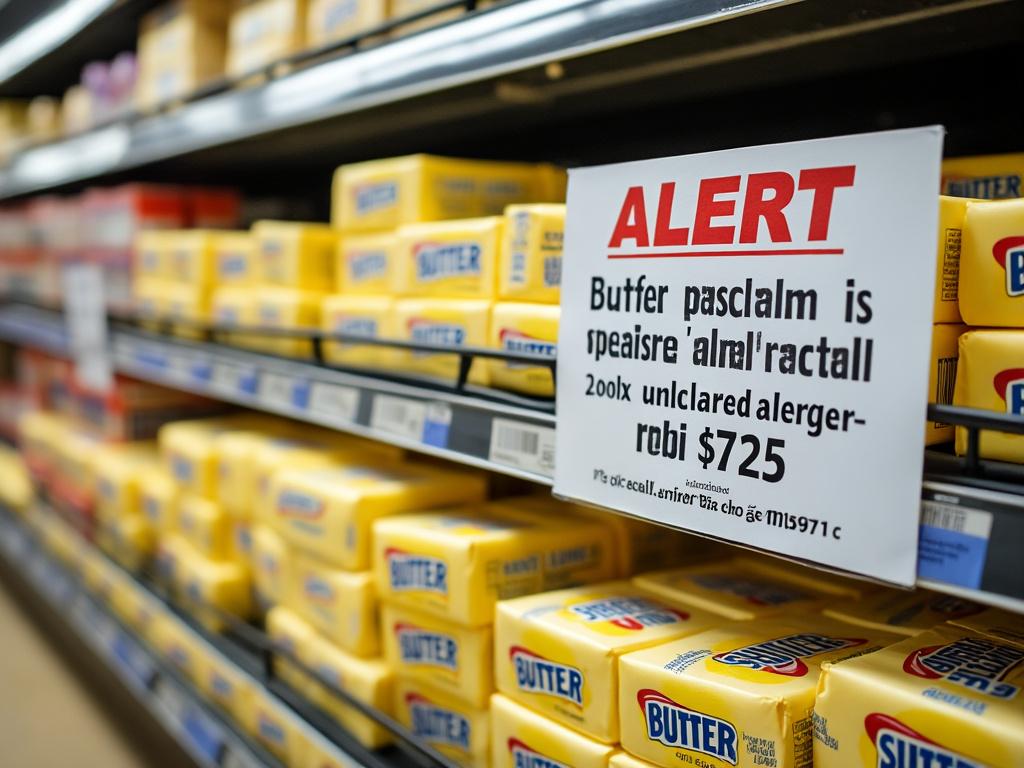
In mid-July 2025, the FDA escalated a butter recall to a Class II risk level, affecting a widely distributed product due to undeclared milk allergens. This article explores the consequences of this action, highlighting the legal, health, and consumer implications.
The Discovery of Undeclared Allergens
Bunge North America’s NH European Style Butter Blend was found to contain undeclared milk due to routine quality control testing that exposed the oversight. This led to a breach of the Food Allergen Labeling and Consumer Protection Act, which mandates explicit declaration of major allergens. Initially classified as a Class II recall by the FDA, which indicates a potential health risk, the presence of milk can pose serious threats to those with allergies or severe sensitivity. The violation necessitated urgent corrective actions and public notifications to mitigate health risks, underscoring the critical nature of accurate labeling and compliance with federal guidelines.
The Scope of Distribution and Risk
The NH European Style Butter Blend had penetrated deeply into several key consumer markets before the recall was initiated. Notably, it reached high-volume areas like Las Vegas, integral to both its retail and hospitality sectors, significantly amplifying the risk of exposure. Its distribution wasn’t localized, affecting a broad spectrum of food service establishments ranging from boutique eateries to large-scale catering services across the nation. This widespread distribution underscored the urgent need for a swift response to mitigate risk, particularly for consumers susceptible to milk allergens. Therefore, the FDA’s decision to elevate the recall level sought to address and contain the potential health threats more effectively by ensuring a broader, more aggressive outreach.
The Classification and Severity of the Recall
A Class II recall, as defined by the FDA, is initiated when a product may cause temporary or medically reversible adverse health consequences or where the probability of serious health consequences is remote. This classification was applied to the NH European Style Butter Blend recall due to its potential to affect individuals with milk allergies, who could experience significant health issues if exposed to the product. Given the extensive distribution detailed previously, this raises concerns about widespread exposure. The identified milk allergen, undeclared on the packaging, could lead to serious allergic reactions. This particularity heightens the urgency and complexity of the recall, emphasizing the need for swift and effective communication to prevent consumer harm. In the next discussion, we explore how this situation impacts both consumers and businesses, examining the actions taken to mitigate the effects of the recall.
Consumer and Industry Impact
The escalation of the NH European Style Butter Blend recall had significant ramifications for both consumers and businesses. Retailers and distributors, upon receiving guidance from the FDA, promptly removed the implicated products from shelves, safeguarding public health. These entities also implemented extensive refund protocols and employed customer notifications through various channels, including social media and direct communications. Consumers were advised to either discard the product or return it to the place of purchase for a refund, detailed instructions that were vital in managing personal health risks and minimizing broader public exposure. This swift, collaborative response between the FDA, businesses, and the consumers demonstrates the critical interplay of multiple stakeholders in managing a food safety crisis effectively.
Regulatory Responses and Preventive Measures
In response to the NH European Style Butter Blend recall, the FDA swiftly escalated the alert to a higher severity level, underscoring the potential health risks involved. This proactive upgrade facilitated a more coordinated response from state health departments, which implemented rigorous monitoring systems to track the recall’s compliance across various distribution channels. These actions are vital for maintaining public health and demonstrate the critical role of regulatory oversight. Furthermore, the incident has catalyzed the development of enhanced preventive strategies aimed at minimizing future risks, such as stricter supplier checks and improved traceability protocols. These measures reflect a comprehensive commitment to safeguarding consumers and maintaining the integrity of the food supply chain.
Conclusions
The recent FDA upgrade to a Class II recall for NH European Style Butter Blend underscores the critical nature of accurate allergen labeling and the necessity of robust food safety mechanisms. As this event highlights, quick and decisive regulatory actions are essential to safeguard public health, particularly for vulnerable consumer groups.