
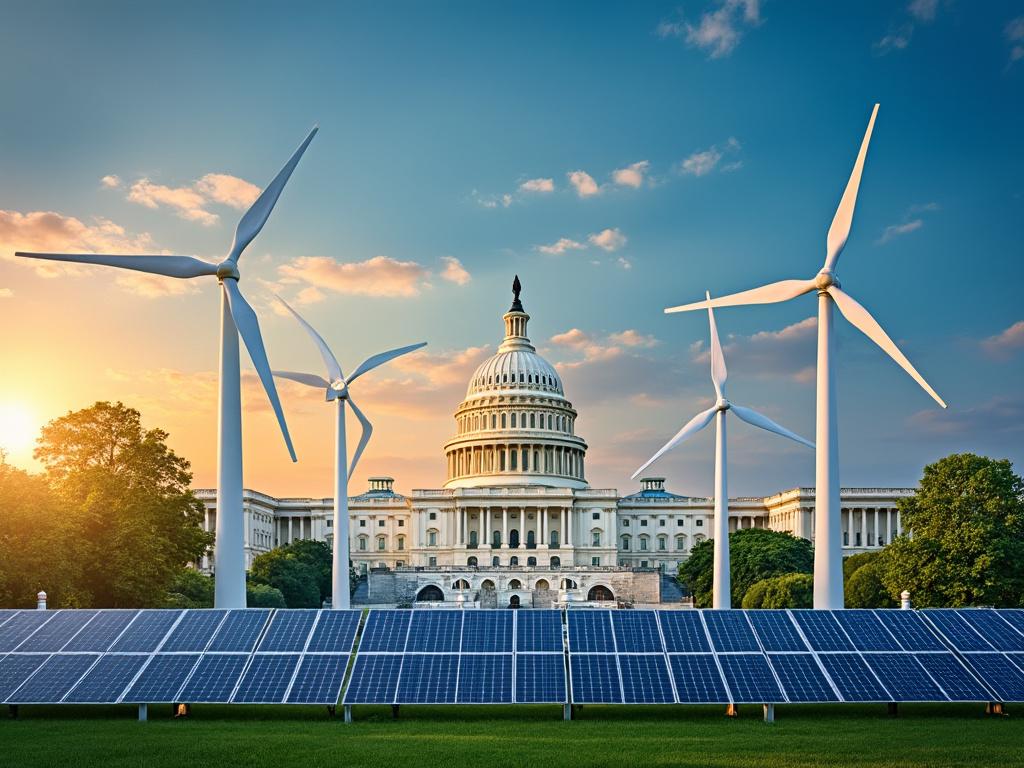
In a bold move defining current political tensions, Senator Chuck Grassley has blocked the confirmation of three Treasury nominees. This article delves into the reasons behind the blockade and its broader implications for U.S. renewable energy policy and federal governance.
The Trigger of the Hold
The immediate trigger for Senator Chuck Grassley’s procedural hold on President Trump’s Treasury nominees was a proposed administrative rule change that redefined the pivotal term ‘begin construction.’ This alteration significantly impacted the qualification process for renewable energy tax credits, pivotal in financing wind and solar projects. These credits are essential for states like Iowa, which has a substantial investment in renewable energy infrastructure. Senators Grassley and John Curtis deemed the administration’s move as a threat that could potentially derail ongoing and future renewable energy initiatives critical to their states. The proposed rule change, they argued, compromised established agreements and risked substantial economic and environmental benefits that the current guidelines supported.
Background of Renewable Energy Tax Credits
Federal tax credits for renewable energy, established over a decade ago, have played a pivotal role in the growth of the wind and solar industries in the United States. These incentives have given clear guidelines under the ‘begin construction’ criteria, permitting projects to qualify for credits based on their construction commencement date. As per congressional plans, these credits were intended to gradually phase out, aiming to foster industry maturity and financial independence. This timeline was jeopardized by recent administrative shifts proposed by the Trump administration, which threatened the trajectory of renewable energy investments by redefining essential terms. Senator Grassley’s intervention by holding Treasury nominees was a direct response to protect these established policies that support the renewable sector, emphasizing the critical relationship between federal guidance and the development of green energy infrastructure.
The Political Mechanism of Senate Holds
In the intricate ballet of Senate operations, the procedural hold emerges as a potent tool of political strategy, particularly evident in Senator Chuck Grassley’s decision to place holds on three Trump administration Treasury nominees. This maneuver is rooted deeply in historical Senate practices, allowing a single senator to pause Senate consideration of appointments or legislation as a form of protest or negotiation. Grassley’s use of holds targets specific issues within the Treasury’s administration of renewable energy tax credits, emphasizing the senator’s demand for adherence to previously legislated criteria and timelines. Such holds do not only symbolize discontent but actively shape executive-legislative relations by forcing dialogue and potentially altering policy execution. This tactical use of Senate holds illustrates a fundamental leverage point, crucial for understanding both governmental operation and the strategic enforcement of legislative intent within the broader context of U.S. governance. The implications of such political maneuvers extend beyond immediate policy effects, influencing the stability and predictability necessary for sustained investment in renewable energy sectors.
Implications for Renewable Energy and Policy Consistency
Senator Grassley’s move to place holds on Treasury nominees has direct implications for the renewable energy sector, particularly affecting the rollout and stability of renewable energy tax credits. These holds could alter the trajectory of renewable energy policies, creating uncertainty for developers who rely on federal tax incentives to finance projects, as legislation meant to support renewable technologies might see delays in implementation. This uncertainty can ripple across financial markets, potentially causing hesitancy in investments geared towards renewable energy advancements. Rural communities, often beneficiaries of renewable projects, may also face economic repercussions as developments stall. Moreover, these holds raise critical concerns about maintaining legislative intent within tax law execution. Stability and predictability in policy are essential for long-term investment planning in the renewable sector, underscoring the need for consistent governmental support to foster growth and viability within this industry.
Future Scenarios and Congressional Dynamics
In contemplating the future resolution to Senator Chuck Grassley’s hold on Treasury nominees, several scenarios unfold. First, the likelihood of additional senators joining Grassley hinges on regional and policy affiliations that could sway their support towards reinforcing renewable energy commitments or opposing them based on economic philosophies or constituent pressures. Negotiations may occur through bipartisan discussions, potentially focusing on modifications to energy policies that satisfy both fiscal conservatives and environmental proponents.
Furthermore, the standoff underlines the intricate balance of power between Congress and the executive branch in dictating U.S. energy policy. This event could set a precedent for future congressional strategy, particularly regarding how holds and other procedural tactics are employed to influence policy or secure concessions. As a result, this could either fortify the role of Congress in energy policymaking or lead to increased presidential maneuvers to bypass congressional stalemates.
These dynamics are crucial for forecasting shifts in renewable energy projects and overarching policy directions, impacting how swiftly and robustly the U.S. can transit towards sustainable energy solutions.
undefined
Senator Chuck Grassley’s decision to place holds on three Treasury nominees during the Trump administration was a tactical move, highlighting the intricate interplay within the GOP concerning energy policies. Grassley’s primary contention was rooted in issues related to the treatment of renewable energy incentives, particularly the biodiesel tax credit, which he ardently supported. By leveraging these nominations, Grassley aimed to exert pressure on the administration to adhere more closely to commitments that aligned with his energy policy preferences. This action underscored the significant leverage individual senators can wield, using procedural hurdles to influence national policy direction. The hold not only delayed the functioning of the Treasury but also signaled the deep divisions within Republican ranks regarding the approach to renewable versus traditional energy sources.
Conclusions
Senator Chuck Grassley’s decision to block three Treasury nominees underscores a pivotal moment in Republican politics, reflecting deep intra-party divides over the U.S. energy strategy and legislative authority. Ultimately, this standoff illuminates the tactical use of Senate rules to shape policy and the continuing battle over the direction of renewable energy investments.