
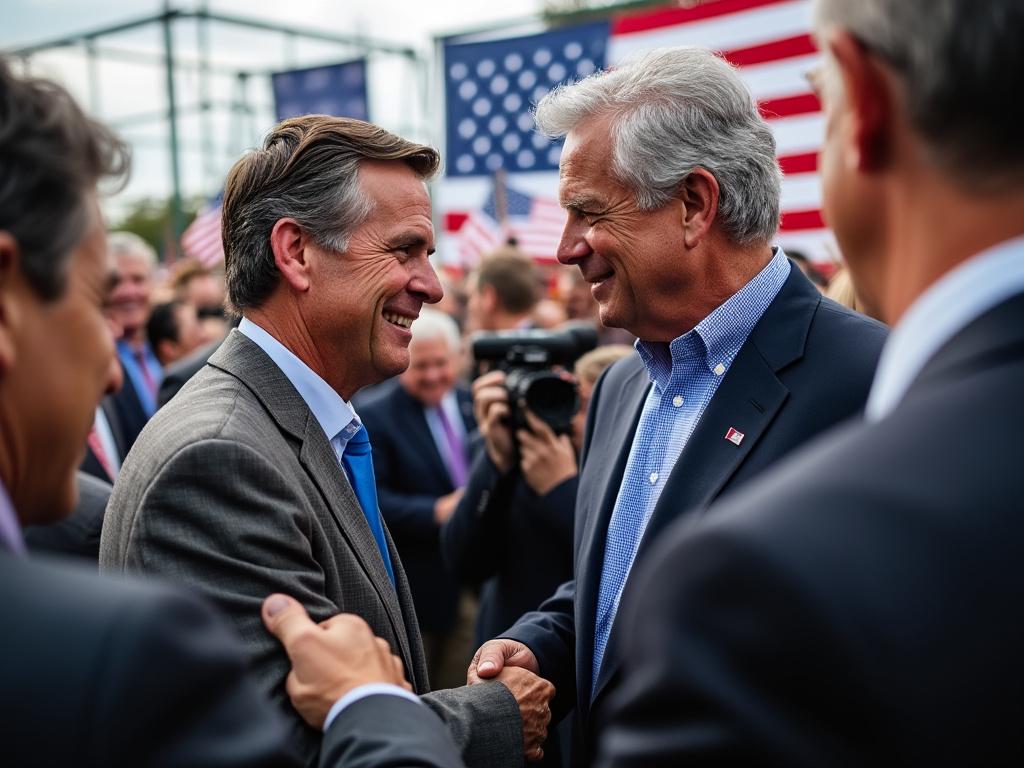
In a major political move, Former Texas Governor Rick Perry has endorsed Senator John Cornyn in the contentious Texas Republican Senate primary. This endorsement is seen as pivotal in a campaign that reflects the broader ideological battles within the GOP.
The Power of Perry’s Endorsement
Rick Perry’s endorsement of John Cornyn marks a pivotal moment in the Texas Senate primary. Having served as Texas Governor and as a former U.S. Secretary of Energy, Perry’s nod lends significant weight. Known for his deep connections within the GOP and traditional conservative circles, Perry’s backing could potentially consolidate the traditionalist base around Cornyn. This move might not only rejuvenate Cornyn’s campaign but sway undecided voters who respect Perry’s long-standing influence and political insight in Texas politics. In a primary echoing the larger national debate over the direction of the Republican Party, Perry’s endorsement serves as a critical seal of approval amidst the factional turbulence.
Cornyn vs. Paxton: Ideological Divides
In the heat of a deeply polarized contest, John Cornyn and Ken Paxton articulate distinct visions for Texas and the broader GOP. Cornyn, with a history of pragmatic conservatism, often emphasizes bipartisanship and legislative effectiveness. In contrast, Paxton champions a populist approach, rallying against what he perceives as an entrenched political establishment, which he argues Cornyn embodies after decades in Washington. This ideological split symbolizes a broader division within the party, between traditional governance and a more confrontational, grassroots populism. Paxton’s campaign vigorously criticizes Cornyn’s long tenure, framing it as a detachment from the conservative base’s current priorities and concerns. This rift delineates a tactical battle as well, where Cornyn’s appeal to experience and stability clashes against Paxton’s call for a transformative shake-up, drawing a vivid line in the Republican landscape.
Campaign Strategies and Voter Impact
In the heated GOP primary, John Cornyn and Ken Paxton employed contrasting campaign strategies that strategically targeted distinct voter demographics within Texas. Cornyn capitalized on his established network, emphasizing stability and bipartisanship, seeking to attract moderate Republicans and long-term party loyalists. He utilized traditional outreach methods such as town halls and direct mail campaigns. Conversely, Paxton embraced a more aggressive digital strategy, leveraging social media platforms to energize younger and more conservative voters disillusioned with the political status quo.
Rick Perry’s endorsement of Cornyn is a strategic move likely to sway undecided voters who respect Perry’s legacy and are seeking a safe, familiar choice in a turbulent political climate. Perry’s backing reinforces Cornyn’s image as a dependable candidate, potentially consolidating moderate Republican support at a time when the party is grappling with internal divisions. This endorsement could prove pivotal, especially for voters wary of the fierce rhetoric and polarized nature of the current political landscape, offering them a semblance of continuity and experience.
Implications of the Primary for the GOP’s Future
The Texas Senate primary not only decides a candidate but subtly carves out the future contours of the Republican Party itself. The endorsement of John Cornyn by Rick Perry highlights a preference for a more traditional, perhaps moderate Republican stance in contrast to the more fiery elements within the party, epitomized by opponents like Paxton. At the state level, this primary might signal a consolidation around established figures, potentially sidelining the more extreme fringes, thus affecting Texas’ political alignment in national issues. Nationally, this outcome could set a precedent in candidate selection, indicating a strategic leaning towards figures who can appeal to both core Republican voters and moderate suburban demographics, crucial for swing states. This strategic alignment may shape the Republican agenda, steering it towards pragmatism in policy-making and campaign narratives ahead of pivotal national elections.
Analyzing Voter and Political Reactions
Rick Perry’s endorsement of John Cornyn has reverberated across Texas’s political landscape, drawing mixed reactions from Republican leadership and conservative activists. While GOP leaders typically view Perry’s endorsement as a stabilizing move, aiming to unify the party, some factions within the party express reservations, perceiving it as the old guard maintaining status quo rather than embracing newer conservative dynamics. On the ground, voter reactions span from strong support to palpable frustration, reflecting a divided base. Political analysts highlight this endorsement’s timing and its strategic intent to sway uncertain voters, suggesting it might consolidate Cornyn’s position in a fragmented field. This intra-party tension underscores a broader ideological battle within the GOP, hinting at potential shifts in voter alignment and campaign strategies leading up to the primaries.
Conclusions
Rick Perry’s endorsement of John Cornyn not only alters the trajectory of a heated primary but also highlights the ideological struggles within the GOP. As Texas prepares for pivotal electoral decisions, the outcome of this primary could set the tone for future Republican strategies nationally.