
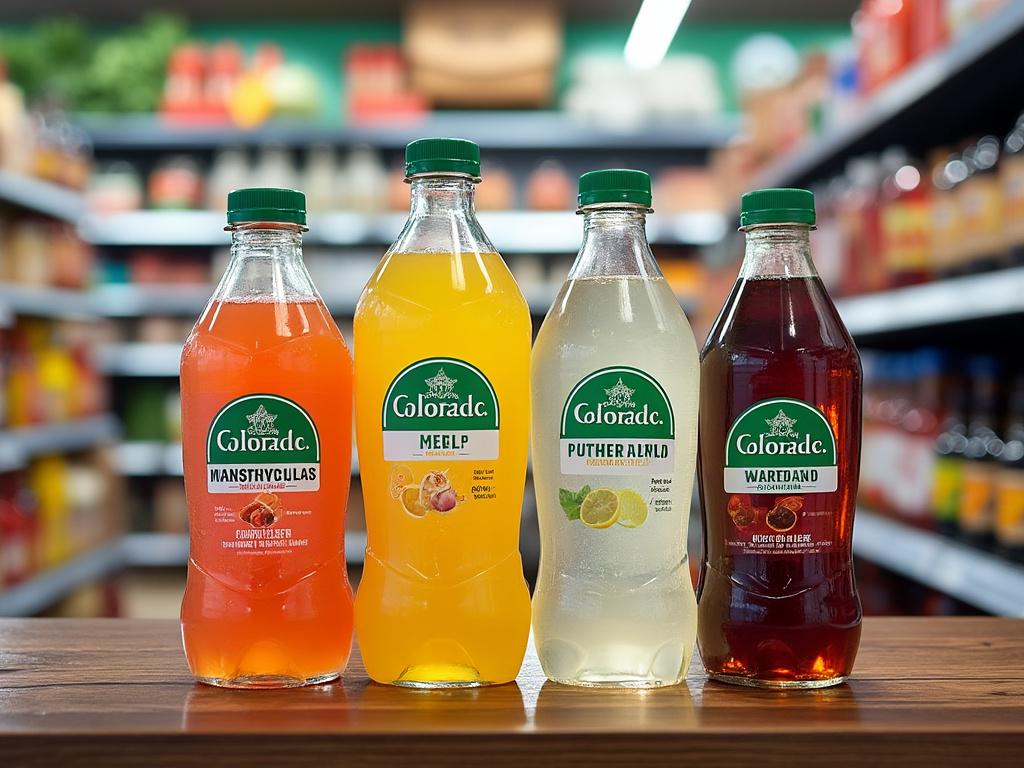
In a landmark move, Colorado becomes the first blue state to prohibit the use of SNAP benefits for buying sodas and sugary beverages. This article delves into the public health motivations, policy shifts, and the broader implications of this decision, set to take effect in 2026.
The Genesis of Colorado’s SNAP Beverage Waiver
Colorado’s initiative to amend SNAP benefits in an effort to combat obesity and promote healthier lifestyles is spearheaded by Governor Jared Polis. Driven by data indicating high obesity rates linked to sugary beverages, Polis’s administration advocated for the exclusion of sodas and other sugar-laden drinks from being purchasable with SNAP benefits. Colorado engaged in rigorous discussions and meticulous planning sessions with the USDA to ensure all guidelines were met, making Colorado the first “blue state” to secure such a waiver. This proactive health policy highlights the state’s commitment to improving public health outcomes while also setting a precedent for other states considering similar measures.
What the Waiver Entails and Exemptions
The waiver approved by the USDA for Colorado’s SNAP program specifically excludes the purchase of soda and other sugary drinks classified as having added sugars and sweeteners. On the other hand, drinks that remain eligible for purchase under SNAP include milk-based products and beverages that are made from 100 percent fruit juices without added sweeteners. These exempted beverages are considered essential for a balanced diet due to their nutritional value, including essential vitamins and minerals. The intention behind this focused restriction is to directly influence consumer choices towards healthier alternatives while still offering a range of beverage options that contribute positively to dietary needs. This move aligns with broader public health goals, aiming to reduce consumption of high-calorie, low-nutrient products among low-income households benefiting from SNAP.
Impact on Local Markets and Food Deserts
Colorado’s new SNAP beverage ban is anticipated to reshape the inventory strategies of local grocery stores, particularly in areas currently identified as food deserts. With Governor Polis’s projection that there will be less shelf space dedicated to sugary drinks, grocers might respond by stocking a greater variety of healthier beverages such as water, teas, and natural juices. This shift could expand access to nutritious options for communities where such choices were previously limited, directly targeting areas most affected by poor dietary options. As these stores adapt to meet the healthier standards encouraged by state policy, the long-term impact could be a notable shift in purchasing patterns, fostering a healthier community consumption blueprint and potentially influencing wider economic changes in local food markets. This strategic adjustment in product offerings could prove to be a significant step in transforming these food deserts into oases of nutritional variety.
Comparative Analysis with Other States
Colorado’s groundbreaking decision to exclude soda and sugary drinks from SNAP benefits distinguishes it as the first blue state to implement such a health-oriented SNAP restriction, paving a stark contrast with similar initiatives predominantly seen in conservative-led states. Unlike conservative states which often frame their restrictions within a discourse of fiscal responsibility and combating dependency on government assistance, Colorado’s approach is deeply rooted in a public health perspective. The state capitalizes on liberal values of fostering community health and well-being, thereby embedding its policies in broader health-centric narratives that resonate with its political base. This dynamic sets the stage for a political and social calibration that may influence how such policies are perceived and potentially adopted across different party lines in the future. This nuanced approach by a traditionally Democratic state has precipitated dialogue not only around health but also around the political ideologies that shape public assistance programs like SNAP.
Future Directions and Controversies
Colorado’s pioneering move as the first blue state to have a SNAP waiver approved that limits access to soda and sugary drinks inevitably sets the precedent for future public health interventions within SNAP and broader welfare programs. This decision has ignited a range of controversies and debates, notably concerning the balance between public health and individual freedom. Critics argue that such restrictions undermine food autonomy and disproportionately affect low-income populations, who rely on SNAP benefits. Meanwhile, health advocates uphold the necessity of such measures, emphasizing the long-term health benefits and cost savings on healthcare systems. This tension between public health pragmatism and the ethos of personal choice is likely to shape the landscape of future policy-making in welfare provisions, potentially influencing other states to adopt similar or counteractive measures in their SNAP programs.
Conclusions
Colorado’s new policy to ban SNAP purchases of sugary drinks marks a significant shift toward improving public health through federal assistance programs. This pioneering move could set a precedent for how nutritional guidelines are integrated into public aid, prompting nationwide discussions and potential policy revamps.