
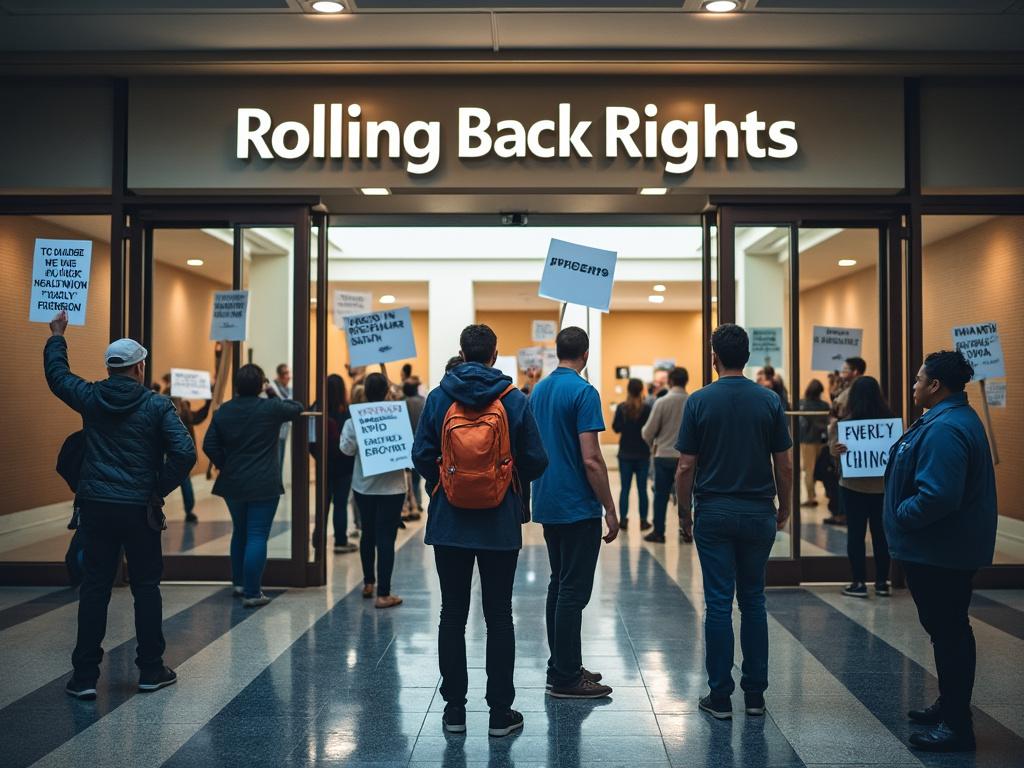
A new rule proposed by the Trump administration threatens to impose a stringent ban on abortion services at Department of Veterans Affairs hospitals, potentially stripping away crucial rights and access for veterans across the United States.
Historical Context and Recent Changes
Historically, the Department of Veterans Affairs (VA) adhered to a stringent policy prohibiting nearly all forms of abortion services at its facilities, mirroring the broader federal restrictions embedded in the Hyde Amendment, which largely bans the use of federal funds for abortions except in cases of rape, incest, or life-threatening conditions. The landmark Supreme Court case, Dobbs v. Jackson Women’s Health Organization, however, catalyzed significant policy reconsiderations. In the aftermath, under the Biden administration, the VA temporarily expanded access to abortion services, including medication abortions and counseling, especially when veteran’s health was endangered by the pregnancy, marking a distinct departure from long-standing VA policies. This shift aimed not only to accord with new federal priorities but also to address the unique healthcare needs of female veterans, recognizing their service and the complexities of their health requirements post-service.
Details of the Proposed Rule
The proposed rule by the Trump administration seeks to reinstate restrictive measures that would ban nearly all abortions at VA hospitals, permitting them only under very narrow and specific conditions. These exceptions include cases where the life of the pregnant woman is in direct jeopardy due to complications arising from the pregnancy. Notably, the rule excludes cases of rape, incest, or fetal anomaly, which had been permissible grounds under prior regulations. This stringent approach starkly contrasts with the broader access allowed in certain states, leading to potential conflicts with state-level protections that offer wider abortion services. Furthermore, this pivot marks a significant deviation from existing Supreme Court precedents which, until recently, had upheld the right to abortion under broader circumstances. The specificity of allowable cases under the proposed rule raises critical questions about the alignment between federal and state law, potentially setting the stage for legal challenges. This restrictive proposal marks a critical pivot point in the intersection of healthcare policy, veterans’ health rights, and women’s reproductive rights, indicating a significant rollback that aligns with the administration’s broader conservative agenda on reproductive health governance.
Backlash and Public Response
Following the unveiling of the proposed abortion ban at VA hospitals, a substantial backlash ensued, particularly evident during the 30-day public comment period mandated by federal rulemaking procedures. Veterans, notably those relying on VA for comprehensive healthcare, expressed deep concerns about restricted medical freedom and access. Key political figures, including Senator Patty Murray and Representative Maxine Dexter, voiced strong opposition, highlighting the rule’s potential to undermine the health and rights of veterans. Senator Murray described the proposal as “a direct attack on the freedoms of our veterans,” urging a reconsideration of the policy to better reflect the needs and rights of those it serves.
Advocacy groups such as the Center for Reproductive Rights played a pivotal role, organizing campaigns and leveraging legal expertise to challenge the rule’s constitutionality. Their advocacy underscored the rule’s discord with established reproductive rights, amplifying public and institutional pushback. This period of public commentary not only showcased widespread disapproval but also emphasized the critical role of civic engagement in shaping health policy.
Practical Impacts on Veterans’ Healthcare
The proposed rule effectively removing abortion services from VA hospitals introduces a series of practical barriers for veterans. Most significantly, those affected must navigate the complex landscape of state laws where abortion might be heavily restricted or banned outright. This shift demands that veterans travel potentially long distances to access services, engaging with unfamiliar and possibly unsympathetic healthcare providers outside the VA system. The financial strain is notable, as veterans will bear the costs of travel and higher fees for procedures not subsidized by VA healthcare. Moreover, dependent family members, who could previously rely on comprehensive care through VA resources, must now seek alternative providers, exacerbating the logistical and financial challenges faced by veteran families. This redirection to external systems not only complicates immediate healthcare access but also burdens veterans with additional mental and emotional stress, compounding the healthcare disparities they already face.
Legal and Ethical Considerations
The Trump administration’s proposed ban on abortions at VA hospitals raises significant legal and ethical questions. Legally, this proposition could confront substantial challenges in federal courts, particularly under Roe v. Wade, which protects the constitutional right to abortion. Ethically, the ban scrutinizes the moral obligations the federal government holds towards its veterans, potentially veering into discriminatory practices by denying specific medical services based on gender. Notably, this restriction could represent a retreat from the principles of equitable healthcare, contradicting established federal responsibilities towards veterans’ health and exacerbating gender disparities within veteran communities. This policy introduces an alarming precedent in the interface between healthcare rights and military service, posing profound implications for women’s rights and healthcare ethics.
Conclusions
The Trump administration’s proposed rule on abortion at VA hospitals marks a return to restrictive health policies, potentially eroding essential healthcare protections for veterans, especially in the context of state-level abortion bans. The final decision, influenced by public response and legal battles, will significantly impact veteran healthcare and rights.