
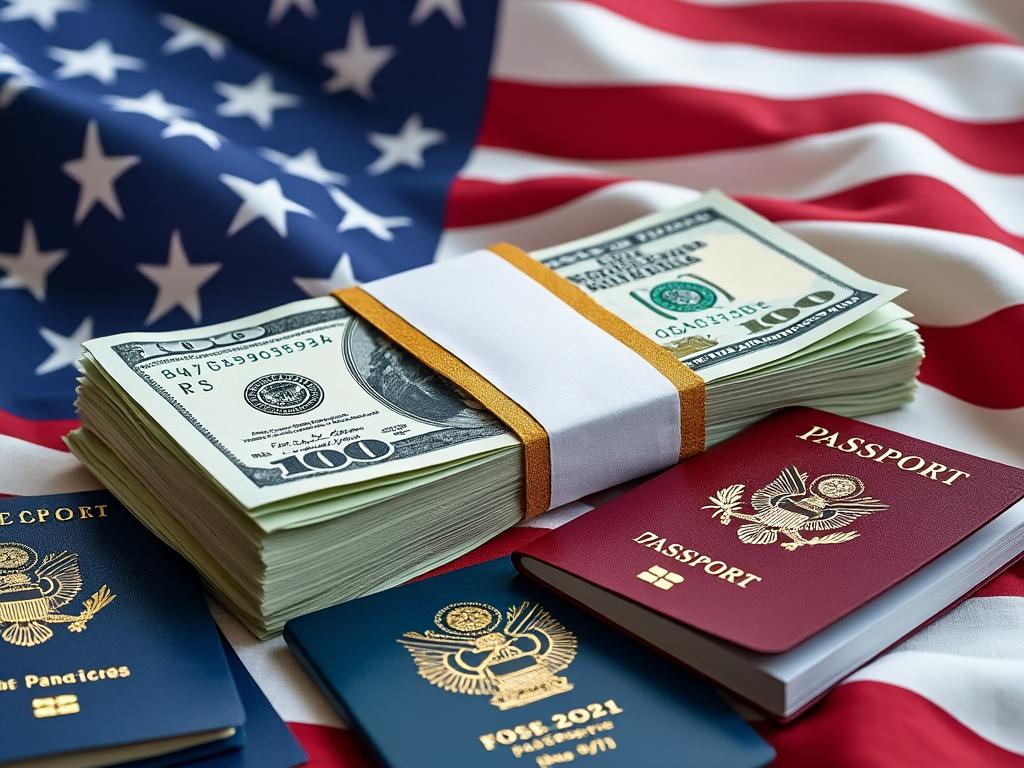
The U.S. State Department has initiated a controversial pilot program imposing a refundable bond for certain B-1/B-2 visa applicants. This effort aims to curb visa overstays and tighten immigration controls, using financial stakes to ensure compliance.
Understanding the Visa Bond Pilot Program
The Visa Bond Pilot Program, initiated on August 20, 2025, delineates a selective approach towards curbing visa overstays. It precisely targets individuals from certain high-risk countries applying for B-1 and B-2 visas. By imposing a bond requirement ranging between $5,000 and $15,000, it acts as a significant monetary deterrent. This program leverages financial commitment to ensure that visitors comply with the stipulated duration of their authorized stay, thereby addressing the overstay challenges strategically. The non-refundable nature of the bond invites serious contemplation and commitment from the potential entrants, making them weigh the consequences of overstaying beyond their visa conditions.
Implementation and Operational Mechanics of the Visa Bond
During the consular interview, visa applicants identified under the pilot program are informed about the mandatory visa bond. They receive detailed guidance on how to post the required bond, which varies from $5,000 to $15,000 depending on assessed risk factors. Payment can be made through several channels, including electronic transfer or certified bank checks, directly to a designated U.S. Department of State account.
Refund conditions are strictly defined: the bond is returned if the visa holder departs the U.S. within their visa validity period without overstaying. Failure to comply results in the forfeiture of the bond, which is then used to cover the costs associated with immigration enforcement.
Applicants face notable administrative hurdles, such as the restriction to a single entry, which means the bond is tied to one, uninterrupted stay in the U.S. Furthermore, the typically short visa validity period increases the pressure on visitors to comply with their travel itinerary and departure schedule, adding a layer of urgency to their visit planning.
These operational facets introduce complexities for applicants, who must navigate the financial implications and strict compliance requirements layered into their travel preparations, significantly impacting the ease of their visit.
Strategic Goals and Legal Justifications
The strategic goals of the U.S. Visa Bond Pilot Program primarily aim to mitigate the risk of visa overstays and ensure that visitors adhere closely to their approved travel conditions. By mandating a financial bond of up to $15,000, which may be forfeited if the visitor does not abide by the visa terms, the program endeavors to impose a substantial deterrent against overstay violations. This initiative is designed to lessen the enforcement burden on U.S. immigration authorities, thus streamlining the resource allocation towards other critical areas of immigration management.
The legal foundation for these requirements rests securely within Section 221(g)(3) of the Immigration and Nationality Act. This section grants the Secretary of State broad authority to implement regulations necessary to enhance the security and efficiency of the U.S. visa process. The reintroduction of the visa bond under the Trump administration, after several decades of disuse, underscores a shift towards more stringent, compliance-focused immigration policies. This revival aligns with broader efforts to enforce immigration laws and ensure that visitors to the United States adhere strictly to the terms of their visas, reflecting ongoing concerns over national security and immigration control.
International Impact and Reception
The Visa Bond Pilot Program has polarized international opinion, spurring concerns of bias against travelers from less affluent nations. Critics argue the steep bonding fees up to $15,000 could disproportionately impact visitors from developing countries, challenging the fairness of the policy. On the diplomatic front, tensions have surfaced as some countries perceive this move as a barrier to cross-cultural and diplomatic engagement, potentially harming bilateral relations. Conversely, supporters assert that the fee is a justified measure to ensure visitors adhere to visa stipulations, enhancing national security. Notably, the travel and tourism sectors express apprehension, fearing diminished visitor numbers could affect the industry drastically, especially in regions heavily reliant on tourism. This concern reflects broader anxieties about the program’s implications on international travel patterns and global relations, highlighting the intricate balance between securing borders and maintaining the United States’ image as a welcoming destination.
Future Prospects and Monitoring
The U.S. State Department’s initiative to monitor and evaluate the Visa Bond Pilot Program will be critical for its potential institutionalization or discontinuation. A robust framework highlighting key performance indicators such as compliance with visa duration limits and the bond’s impact on visa overstay rates will be instrumental. The assessment will also consider the administrative load and whether the financial requirements disproportionally impact certain demographic groups. Regularly published insights and reviews will ensure transparency and informed policy adjustments, facilitating stakeholder engagement and trust in the efficacy and fairness of the program. This structured approach aims to balance the enforcement objectives with the broader implications for international relations, gauging the pilot’s viability as a long-standing policy.
Conclusions
The Visa Bond Pilot Program marks a significant shift in U.S. immigration policy by implementing a financial deterrent for visa overstays. Aimed at ensuring compliance, its success and continuation will depend on balanced effectiveness and fairness, as it is closely scrutinized for potential scaling and long-term implementation.