
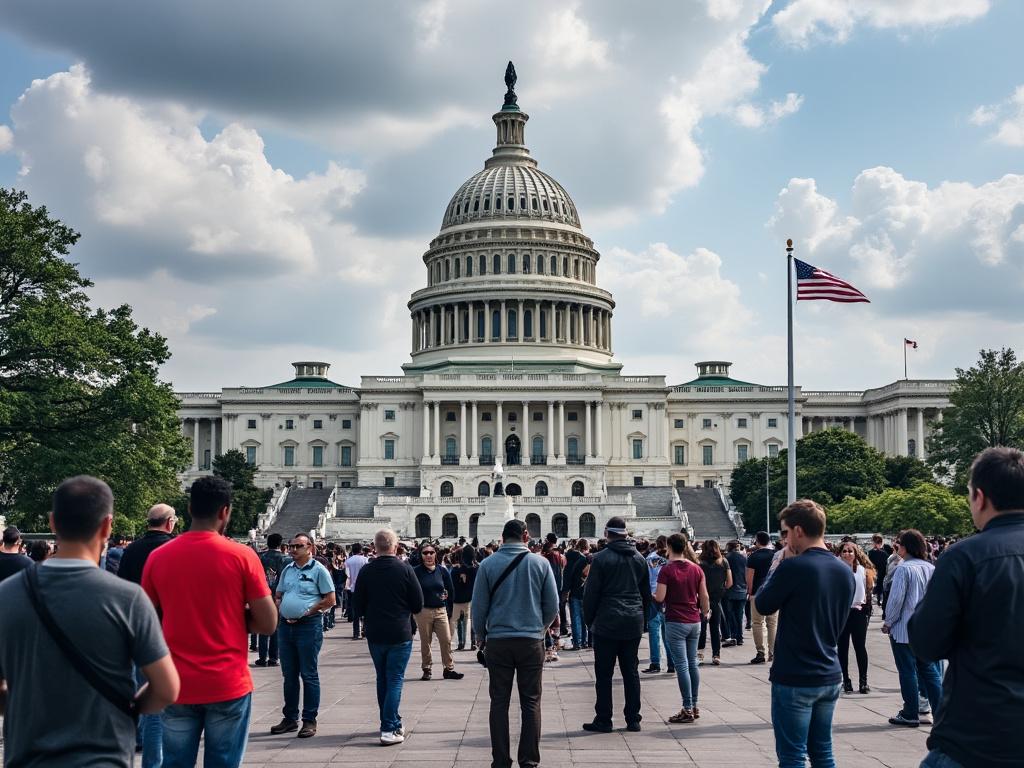
Project 2025 has swiftly marked its impact just six months into the Trump administration, orchestrating major changes across federal policies and structures, with a targeted conservative agenda. This article delves into the transformative elements and the vast scope of this initiative.
Origins and Scope of Project 2025
Project 2025 traces its roots back to an ambitious blueprint designed primarily by Russell Vought and influential conservative think tanks, notably The Heritage Foundation. This strategic plan, endorsed by leaders keen on instituting rapid reform, aimed to imprint a profound conservative ethos on the federal government. The objectives of Project 2025 were clear from its inception: to execute a comprehensive overture of bureaucratic, regulatory, and social policy revolutions, intended to fundamentally resculpt the nature of American governance. The plan’s aggressive milestones wished to reach a 50% completion within the first year, signaling an unprecedented pace in implementing widespread policy reforms. In its scope, Project 2025 wasn’t limited to mere alterations but was imagined as a sweeping reinvention of governmental operations, poised to alter the federal landscape irreversibly.
Bureaucratic Overhaul and Mass Layoffs
Project 2025 ushered in a stark reformation of bureaucratic structures with the inception of the Department of Government Efficiency, aimed squarely at reducing the federal workforce and realigning it to new ideological directives. This initiative led to a sweeping overhaul, targeting redundancies and deemed non-essential positions. Notably, the strategy severely impacted public unions, especially with agencies like AFSCME facing unprecedented layoffs. The personnel reshuffle not only strained labor relations but also stoked widespread controversy concerning the ideological underpinnings influencing these layoffs. The broader ramifications on public service quality and governance frameworks emerged rapidly, as the workforce adapted to rapidly altered priorities and diminished operational capacities.
Regulatory and Policy Rollbacks
Deregulation Efforts: The Trump Administration’s Project 2025 has aggressively dismantled regulations across key sectors, significantly altering labor, environmental, educational, and health policies. Notable is the rollback of the Clean Power Plan, designed to reduce carbon emissions, swiftly replaced with directives emphasizing economic growth over environmental protection. In education, stringent accountability standards under previous administrations were rescinded, pivoting towards greater local control and school choice initiatives. Labor and health sectors saw similar transformations, with the repeal of several worker safety regulations and the weakening of Affordable Care Act provisions, ostensibly to boost job creation and reduce governmental interference in healthcare.
Impact on Policies: The immediate effects of these deregulation efforts manifest as increased business freedoms and reduced federal oversight, arguably spurring economic activity. Strategically, this dismantling portends a long-term reshaping of public policy, fundamentally realigning federal agency operations with conservative values. These changes not only alter how agencies interact with industries but also redefine their roles, moving towards a minimalistic, business-friendly approach envisioned by conservative ideologies. The potential risks include environmental degradation, increased educational inequity, and widened disparities in healthcare accessibility, underlying significant societal implications.
Centralizing Executive Power
Power Dynamics: The consolidation of power within the executive branch has been aggressively pursued through a strategy aimed at diminishing the roles of independent agencies and sidelining career civil servants. By amplifying ‘unitary executive’ powers, this administration has sought to fortify presidential control over federal operations, ostensibly undermining the doctrine of separation of powers. This intensification brings to the limelight critical concerns regarding the traditional checks and balances fundamental to American constitutional governance.
Response from Governance Groups: Numerous civil rights and social justice organizations have voiced deep concerns about this rapid centralization of executive power. They argue that this shift poses significant threats to democratic norms and the overall integrity of governance. Such centralization facilitates unilateral policymaking, potentially bypassing the critical oversight typically provided by independent agencies and experienced civil servants who historically have upheld standards of impartiality and expertise in governmental functions.
Implementation of Social and Cultural Policies
Project 2025’s approach to remolding social and cultural norms across the United States has been marked by swift legislative actions. Notably, the administration has rolled back many LGBTQ+ protections previously embedded in federal policy, altering directives that now allow businesses to refuse services based on religious beliefs. Similar momentum is seen in reproductive rights, with significant funding cuts to organizations that perform or advocate for abortion services, paired with increased support for conservative family values programs.
Legally, these changes have been fortified through the appointments of conservative judges to federal courts, ensuring a judiciary that leans towards maintaining these policies. At the state level, grants and federal support are strategically allocated to states that align with these national policy changes, encouraging local legislation to mirror federal direction.
However, the rapid implementation of Project 2025’s social and cultural agendas has not been without contention. Significant resistance has manifested in widespread protests and legal challenges initiated by civil rights and social justice organizations. These groups have initiated several high-profile court cases aiming to block or reverse policy enactments that they argue undermine civil liberties and propagate discrimination. The societal divide is deepening as these policies are tested, revealing a nation wrestling with its core values amid a changing governmental landscape.
Conclusions
Project 2025 represents a profound shift in American governance, advancing a conservative agenda with unprecedented speed and scope. As the administration presses forward, the implications for democratic norms and social justice continue to provoke significant debate and resistance.