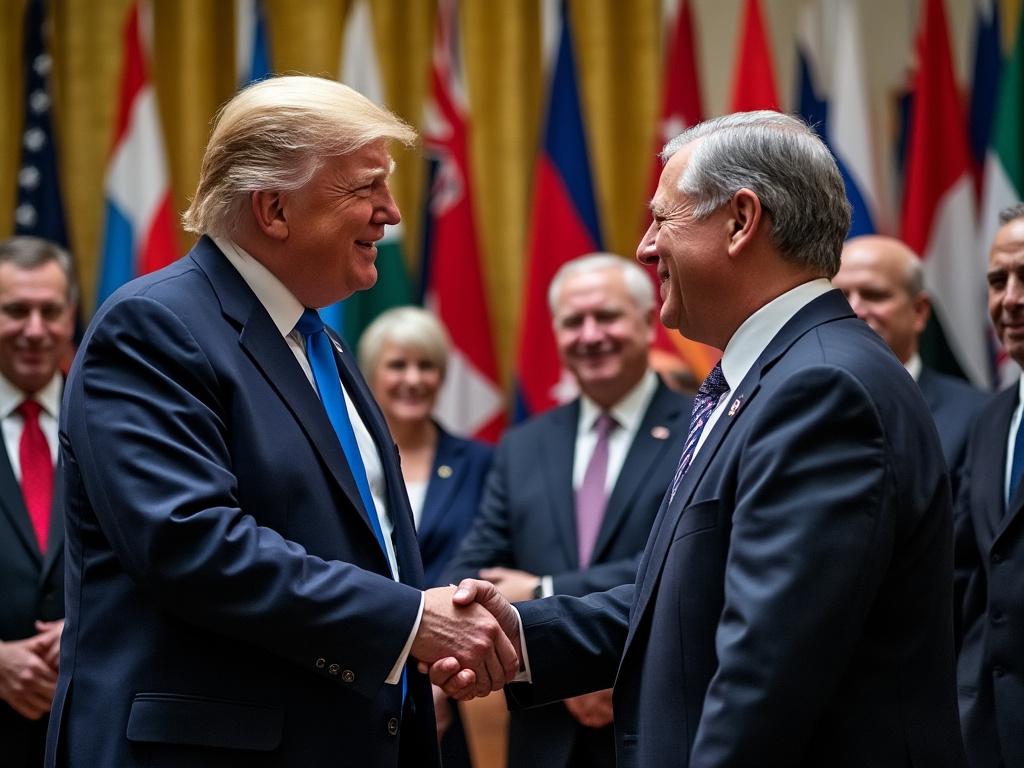
In an era where flattery molds foreign policies, world leaders have perfected the art of praising Donald Trump to influence U.S. decisions. This strategic diplomacy, aiming to secure national interests through commendation, dominates discussions from NATO gatherings to bilateral meetings, signifying a profound shift in international relations.
The Mechanics of Flattery in Diplomacy
During Donald Trump’s presidency, global leaders increasingly adopted flattery as an essential diplomatic tactic. This strategic choice hinged on Trump’s well-documented sensitivity to praise and his tendency to respond positively to commendation, which in turn affected his decision-making processes. World leaders capitalized on this by offering compliments, often publicly, to sway Trump towards favorable policies, whether to sidestep potential tariffs, secure military assistance, or gain advantageous trade terms. This behavior underscored a cunning adaptation to Trump’s psychological profile, wherein his approval could be leveraged to achieve specific national gains. By understanding and exploiting this aspect of Trump’s personality, foreign dignitaries were often able to guide discussions and negotiations to their benefit, a dynamic that significantly altered traditional diplomatic interactions.
Case Studies of Flattery at Play
In 2025, strategically timed flattery notably shifted U.S. policy, especially visible in the fervent global leader endorsements for President Trump’s Nobel Peace Prize candidacy. Such endorsements cleverly coincided with critical negotiations on NATO spending and U.S. military commitments, leading to a softened stance from Trump and more favorable terms for those flattering nations. Similarly, when handling delicate relations with Russia, key international figures praised Trump’s leadership and strength, which correlates with subsequent U.S concessions in sanctions and rhetoric. Each instance not only illustrates the subtlety of flattery as a diplomatic tool but also underscores its timing and direct impact on policy alterations, demonstrating a sophisticated manipulation of presidential responsiveness to praise.
Risks and Criticisms
Flattery, while effective in the short term, raises significant concerns about the long-term integrity of diplomatic relations. This personalized approach can undermine the principle of national interests, making foreign policy vulnerable to the whims of individual leaders. Susan Glasser points out that such strategies risk creating strategic vulnerabilities where decisions are swayed by personal rapport rather than substantive policy debates. Moreover, the over-reliance on adulation can detract from the dignity of diplomatic interactions, reducing complex international relations to mere exercises in ego appeasement. Critics argue this undermines the institutional predictability crucial for stable international agreements and may lead to erratic foreign policy shifts once the administration changes.
The Linguistic and Media Dynamics Involved
In the realm of diplomatic engagements with former President Donald Trump, the linguistic and media dynamics played pivotal roles. Leaders and diplomats keenly crafted public statements and social media content with language that resonated with Trump’s known preferences for affirmation and praise. Phrases were often embellished to magnify accomplishments, carefully chosen to appeal directly to Trump’s persona. This strategic communication was not just about flattering words; it involved a deeper understanding of his reactive communication style, ensuring that compliments were not only direct but broadcasted in a manner aligning with his frequent use of platforms like Twitter. This method amplified the impact of flattery, as public affirmations in media-centric channels reinforced the positive feedback loop desired in interactions with him. Thus, the media served not just as a communication tool, but as an enhancer and multiplier of diplomatic praise, strategically utilized to maintain favorable bilateral relations.
Global Implications and Future Diplomatic Trends
When evaluating the potential persistence of flattery in diplomacy beyond Trump’s presidency, it’s essential to understand that his era might indeed set a precedent. Future U.S. presidents may now face international counterparts skilled in tailored commendations as a strategic measure. This trend could see shifts in global diplomacy from policy-first to personality-centric approaches. Should this persist, it could significantly alter international strategies, whereby the character and personal likes of leaders may weigh as heavily as their policies. This required adaptiveness and flexibility might either complicate or facilitate international relations, dependent on each leader’s disposition. Such a landscape posits a volatile, perhaps unpredictable, arena where diplomats must be adept not just in policy but in personal appeals, an aspect that could redefine protocols in both bilateral and multilateral contexts.
Conclusions
Flattery has reshaped the contours of international diplomacy under Trump’s leadership, with global leaders leveraging his affinity for praise to secure both tactical gains and strategic positioning. While effective in the short term, this approach raises concerns about the long-term health of traditional diplomatic practices and the stability of global interactions.