
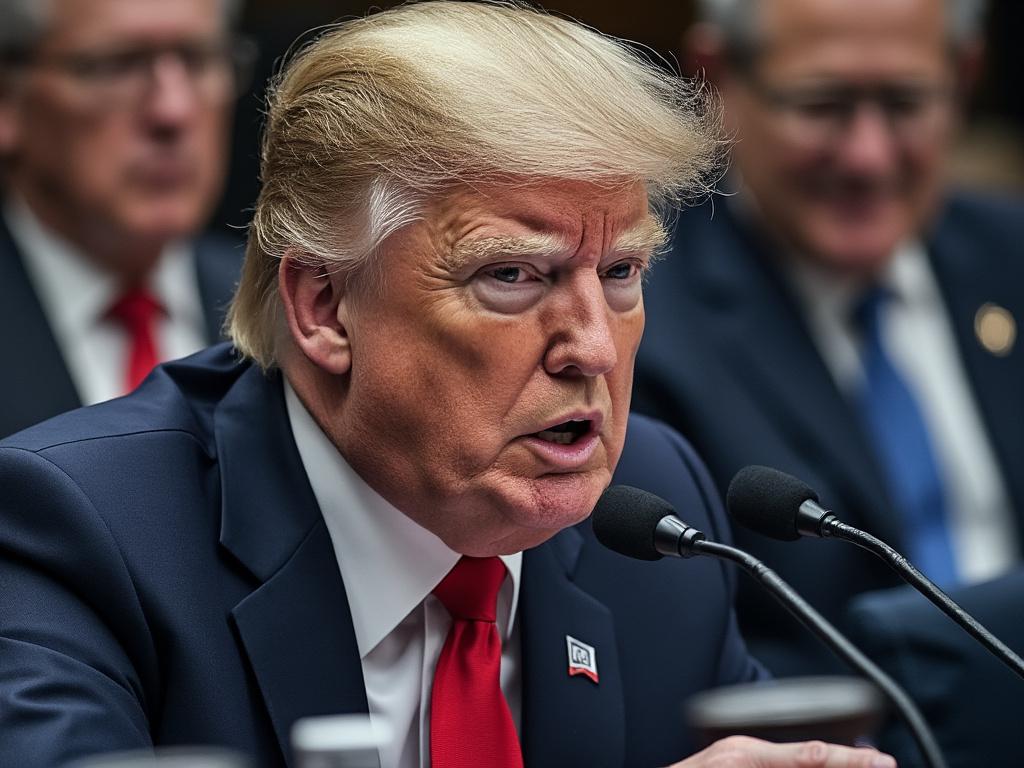
Amidst a backdrop of political tension, the U.S. Senate has hit a severe impasse concerning President Donald Trump’s nominees. This standoff, merging disputes over finances and legislative leverage, commands a closer investigation into its implications on governance and bipartisan operations.
Background: Why the Nomination Battle Boiled Over
The undermining of the Senate’s historical confirmation expediency commenced subtly during Obama’s administration but reached new heights under President Trump. Traditionally, the Senate operated on a mutual respect premise, rapidly confirming nominees to uphold government functionality. This normative comity began to unravel as both parties intensified their use of procedural tools for political leverage. Under Trump, Democrats escalated these tactics, frequently employing filibusters and holds to delay confirmatory votes. This shift not only signifies a departure from procedural efficiency but also a deeper transformation in Senate power dynamics, reflecting a highly polarized environment where strategic obstruction supersedes bipartisan governance. This evolving landscape raises critical questions about the future implications on legislative functionality and inter-party relations within the Senate.
The Failed Negotiations: Policy and Personalities Collide
In the fraught negotiations over Trump’s nominees, Senate Majority Leader John Thune and Minority Leader Chuck Schumer became emblematic of the deep-seated ideological impasses characterizing the period. Personal animosities were inflamed by President Trump’s relentless criticism on social media, particularly targeting Schumer, which often spilled into the public domain and exacerbated the standoff. Democrats leveraged their confirmation votes, demanding substantial increases in funding for their priorities as quid pro quo. The financial stipulations proposed were formidable, with figures frequently stretching into the billions, highlighting a strategic push to capitalize on one of the few leverage points available to the minority party. This intense bargaining environment not only spotlighted the prevalent political antagonism but also underscored a shift in Senate dynamics where policy stances and personal rifts intertwined, deeply affecting legislative processes and priorities.
Trump’s Position and Republican Frustration
Amidst the failure of high-stakes negotiations, President Trump’s insistence on rapid confirmation of his nominees exacerbated tensions within the Republican ranks. Republican legislators, who usually portrayed a united front, began showing signs of frustration over what they deemed as unnecessary delays and ‘political extortion’ by Democrats. This friction was vividly articulated when Trump took to social media to accuse Democrats of sabotaging his administration, a move that not only deepened partisan divides but also raised questions about Senate decorum.
The Republican threats to change Senate rules — specifically, the potential implementation of the “nuclear option” to expedite nominee confirmations — highlighted the depths of their exasperation. This unprecedented move could severely diminish the filibuster’s role, effectively altering the Senate’s operational dynamics and possibly eroding bipartisan relations further. Such changes risk transforming the Senate into a fundamentally majority-rule institution, laying bare the potential long-term consequences for legislative negotiation and collaboration.
Democrats’ Perspective: Leverage and Legislative Hostages
In the throes of a Senate deeply divided, Democrats, under Leader Chuck Schumer, have utilized the nomination process as a strategic lever against what they perceive as an overreach by the Trump administration. Schumer has articulated this approach as necessary to ensure the executive branch does not bypass critical legislative scrutiny. By holding up nominees, Democrats aim to slow the administration’s progress on implementing policies that starkly oppose their constituents’ values on issues such as health care, environmental protection, and judicial appointments.
This tactic, while contributing to gridlock, strategically places pressure on Republicans to negotiate on significant legislative matters, balancing power in what Democrats view as a safeguarding of democratic processes. However, this maneuver carries substantial risks including public backlash against perceived obstructionism, which could erode public trust and backfire electorally. Moreover, such a standoff affects the functionality of agencies awaiting leadership, potentially causing systemic inefficiencies.
Ethical and procedural debates also arise, questioning whether this approach undermines the Senate’s purpose as a body meant to provide “advice and consent” rather than serve as a battleground for partisan warfare. Such tactics may force a reevaluation of Senate rules and norms, further influencing legislative outcomes and the nature of bipartisan cooperation.
The Broader Context: Norms Eroded, Partisanship Entrenched
The impasse over Trump’s nominees is emblematic of a deeper erosion of norms within Senate operations, historically known for bipartisan cooperation. The nominations process, once procedural, now serves as a formidable platform for exerting political leverage. This shift is linked to broader trends: the rise of intense partisanship and the declining inclination towards compromise. The long-term impact includes governmental inefficiencies, as vital positions remain unfilled, and a decline in public trust towards federal institutions. If unchecked, this entrenched partisanship threatens to transform the Senate into an arena of perpetual conflict, focusing more on political victories than on governance and public service.
Conclusions
The enduring impasse over Trump’s nominees not only disrupts immediate government functions but deeply reflects and perpetuates the degradation of Senate comity and the rise of partisanship. This standoff is a stark illustration of how procedural tactics have evolved into formidable weapons of political warfare, leaving uncertain times ahead for U.S. legislative efficiency.