
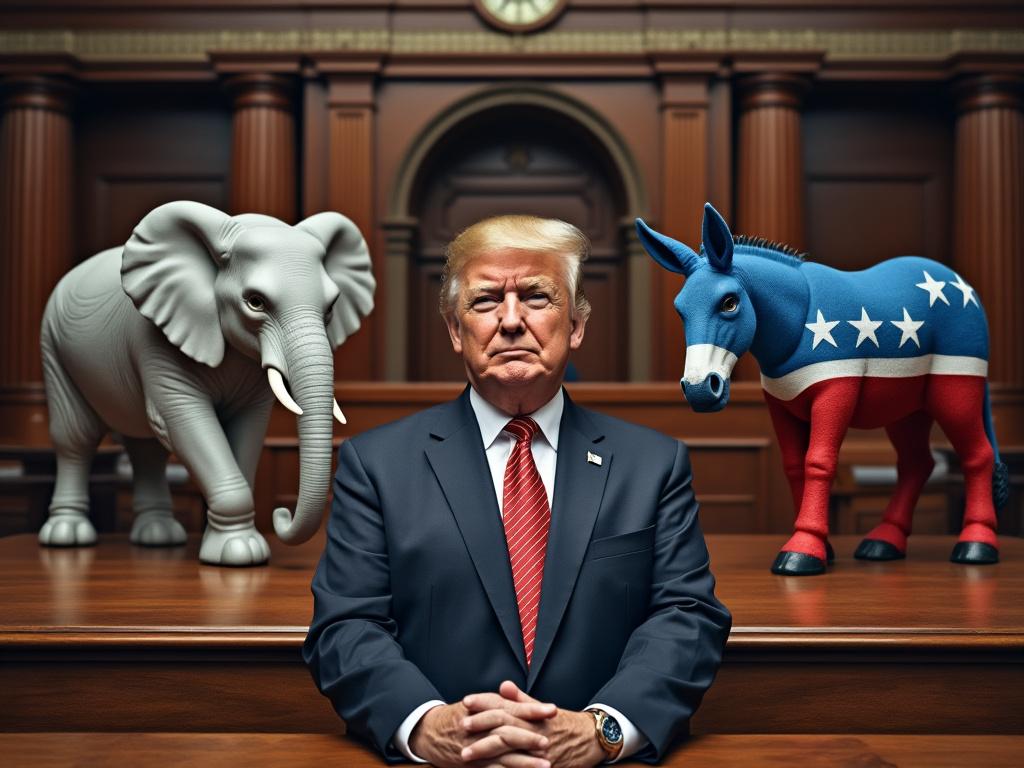
The formal investigation into former Trump special prosecutor Jack Smith for potential violations of the Hatch Act presents a significant legal and political controversy. The inquiry delves into allegations that Smith’s actions during the prosecution of Donald Trump were politically motivated, potentially influencing the 2024 presidential election.
Background on Jack Smith and the Trump Investigations
Jack Smith, appointed as special counsel, was tasked with investigating former President Donald Trump’s involvement in several high-profile cases, including attempts to interfere with the 2020 election results and handling of classified documents. His tenure, culminating in measures such as substantial indictments, was marked by significant political drama amidst the buildup to the 2024 election. As scrutiny intensified, both supporters and critics of Trump closely watched Smith’s actions, which were often presented through a partisan lens. Eventually, amidst a fiercely divided political climate, some cases were controversially dropped, and Jack Smith resigned, an action stirring widespread debate over the motives and pressures that may have influenced his decision.
The Allegations and Initiation of the Probe
Republican Senator Tom Cotton spearheaded allegations against Jack Smith, asserting violations of the Hatch Act, which prohibits federal employees from engaging in partisan political activities. These accusations prompted the initiation of a probe by the Office of Special Counsel (OSC). Details surrounding these allegations remain scant, as neither tangible evidence nor specifics of the purported violations were publicly disclosed at the outset. The media played a pivotal role, with coverage largely bifurcated along partisan lines, enhancing the polarized narrative. This fervent media attention has brought the issue to the forefront of public discourse, shaping perceptions of Smith’s actions and the legality of his conduct amidst ongoing political tensions.
Political and Institutional Dynamics
The investigation into Jack Smith under allegations of violating the Hatch Act unfolds within a complex milieu marked by political strife and pronounced institutional tensions. Notably, the Office of Special Counsel (OSC), responsible for the probe, has itself been under scrutiny during the upheaval common in transitions between administrations. This period saw an intensified scrutiny on the OSC’s neutrality and efficacy, reflecting broader concerns about the politicization of federal agencies under President Trump’s administration. Within this contentious political landscape, critics argue the probe against Smith may be politically motivated, aimed at undermining the credibility of his investigations into Trump. This case highlights the nuanced interplay between law and politics, particularly how prosecutorial actions are perceived and challenged in hyper-partisan environments. The implications for federal judicial integrity and public trust in government institutions are profound, setting a significant precedent for future administrations.
What Is the Hatch Act?
The Hatch Act, established in 1939, restricts the political activity of federal employees to ensure their work is executed without partisan bias. It particularly mandates that these employees, including prosecutors, should not engage in political activities while on duty or influence electoral processes through their official roles. This Act is aimed at maintaining the political neutrality of the federal civil service.
Enforcement of the Hatch Act is typically managed by the Office of Special Counsel (OSC), which investigates violations and recommends disciplinary actions, ranging from warnings to dismissal. However, its application to federal prosecutors is notably rare, primarily because their roles necessitate a high degree of impartiality already enforced through other strict ethical standards. This background frames the context for the allegations against Jack Smith, where the distinctions between prosecutorial duties and political activities become significantly blurred, raising complex legal and ethical questions.
Current Status and Next Steps
The investigation into Jack Smith, the former Trump prosecutor, regarding potential Hatch Act violations remains in a preliminary phase with no conclusive findings yet reported. Procedural updates reflect continued gathering and review of evidence, although specific timelines for completion are absent. Supporters of Smith argue that his actions fell within legal boundaries of prosecutorial discretion, emphasizing robust defenses against partisanship claims. Critics, conversely, contend that Smith might have overstepped his boundaries, potentially influencing public perception during sensitive electoral periods.
Potential outcomes could range from exoneration to possible sanctions if violations are confirmed, significantly impacting Smith’s career and broader legal standards. Moreover, this case could set a precedent affecting how future prosecutorial conduct is judged against the backdrop of political activities, especially during election cycles, thereby influencing not only legal but also electoral landscapes.
Conclusions
The investigation of Jack Smith not only reflects the intricate balance between law enforcement and politics but also the ongoing debate over the boundaries of permissible conduct by prosecutors in highly charged political environments. The outcomes could fundamentally influence public trust in U.S. federal law enforcement and the enforcement of the Hatch Act.