
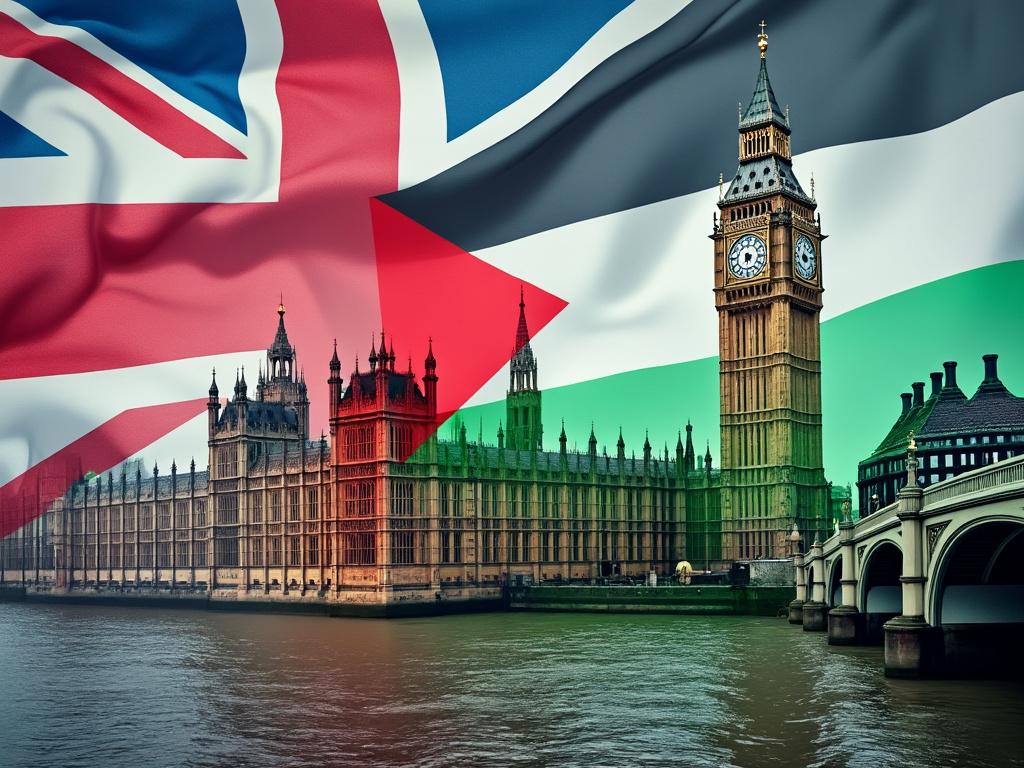
In a dramatic shift in policy, UK Prime Minister Keir Starmer has announced plans for recognizing Palestine, sparking a heated debate at home and abroad. This article delves into the motivations, criticisms, and potential impacts of this historic decision.
The Shift in UK Policy
Keir Starmer’s pivotal announcement to potentially recognize Palestinian statehood underlines a significant policy shift, contingent upon strict conditions emphasizing a peaceful co-existence framework and adherence to international law by Palestine. This decision germinated under heavy domestic pressures from progressive factions within Starmer’s own Labour Party and was also swayed by international advocacy for Palestinian self-determination. Historically, since the Balfour Declaration of 1917, which favored establishing a national home for the Jewish people in Palestine, Britain’s influential role in Middle Eastern geopolitics has oscillated. Starmer’s stance appears as an attempt to rebalance historical commitments while addressing contemporary humanitarian and political crises.
Boris Johnson’s Strong Critique
Former Prime Minister Boris Johnson has fiercely criticized Keir Starmer’s initiative for the unilateral recognition of Palestine, deeming it a “ridiculous” shift in diplomatic stance. Johnson argues that such a move might undermine peace negotiations by providing unilateral support without ensuring reciprocal concessions from Palestine. He fears this could destabilize the already fragile Middle East, heightening tensions rather than easing them. From a strategic perspective, Johnson suggests that this premature recognition could alienate key allies, notably Israel and the United States, who view the gradual negotiations as pivotal. He underscores that Britain’s traditional role has been one of a balanced mediator rather than a partisan actor, emphasizing that disrupting this equilibrium might have far-reaching diplomatic repercussions. Through Johnson’s perspective, the unilateral action risks complicating the peace process rather than facilitating a viable solution to the Israel-Palestine conflict.
Internal and External Political Reactions
While Boris Johnson underscored his deep reservations, Keir Starmer’s advocacy for Palestinian statehood illuminates a complex tapestry of disagreement and support across the UK political spectrum. Key Labour members, while traditionally supportive of Palestinian rights, exhibit varying degrees of endorsement or caution, reflecting broader constituency sentiments. Conversely, segments of the Conservative Party align with Johnson, viewing the move as precipitous, potentially undermining UK-Israel relations.
Internationally, France showed a nuanced response, closely observing UK’s steps, possibly recalibrating its position in the EU vis-à-vis the Middle East. Israel, predictably, responded with stern disapproval, emphasizing the unilateral nature of such recognition potentially disrupting long-term peace processes.
Such a bold UK stance might reposition its international image, perhaps attracting alliances with nations favoring robust discussions on state sovereignties, while straining traditional bonds with others aligning closer with Israeli perspectives on security and diplomacy.
Strategic Implications and International Diplomacy
In a strategic recalibration, the UK’s potential recognition of Palestine may serve as diplomatic leverage against Israel, pushing for concessions in ongoing territorial disputes or peace talks. This gesture, aligning closely with France’s nuanced stance, might redefine the contours of European involvement in the Middle East. Subsequently, Israel, along with its staunch ally, the United States, might reassess their diplomatic engagements and bilateral relations with these European nations. Potential reactions could range from an intensification of diplomatic rhetoric to a reconsideration of trade and security agreements. Furthermore, such a recognition could prompt realignment among other nations regarding their stance on Palestine, potentially leading to shifts in international coalitions and strategies within global forums. This dynamic raises critical questions about the future landscape of international relations concerning Middle Eastern geopolitics, particularly affecting the diplomatic and security frameworks that have long been in place.
Looking Ahead: Outcomes and Possible Scenarios
Should the UK proceed with recognizing Palestinian statehood, the immediate consequences could range from sparking a substantial shift in international policy alignments to impacting bilateral relations with countries fervently opposing or supporting such a stance. The recognition might serve as a catalyst in the peace process, potentially offering new momentum towards negotiations. However, it might also lead to an intensification of conflicts, especially if perceived as undermining current diplomatic balances. Importantly, this move could reshape the Israeli-Palestinian relationship, perhaps pushing both towards a negotiation table with renewed international interest, or it might escalate tensions further, depending on the reactions from regional players and global powers. The broader Middle Eastern diplomacy would also feel the ripples, as nations recalibrate their policies in response to the UK’s actions and their consequences on regional stability and alignments.
Conclusions
The UK’s potential recognition of Palestine is a game-changer in international relations, generating fierce debate. While supporters view it as a moral imperative and strategic maneuver, critics argue it risks exacerbating regional tensions and sidelining peace talks.