
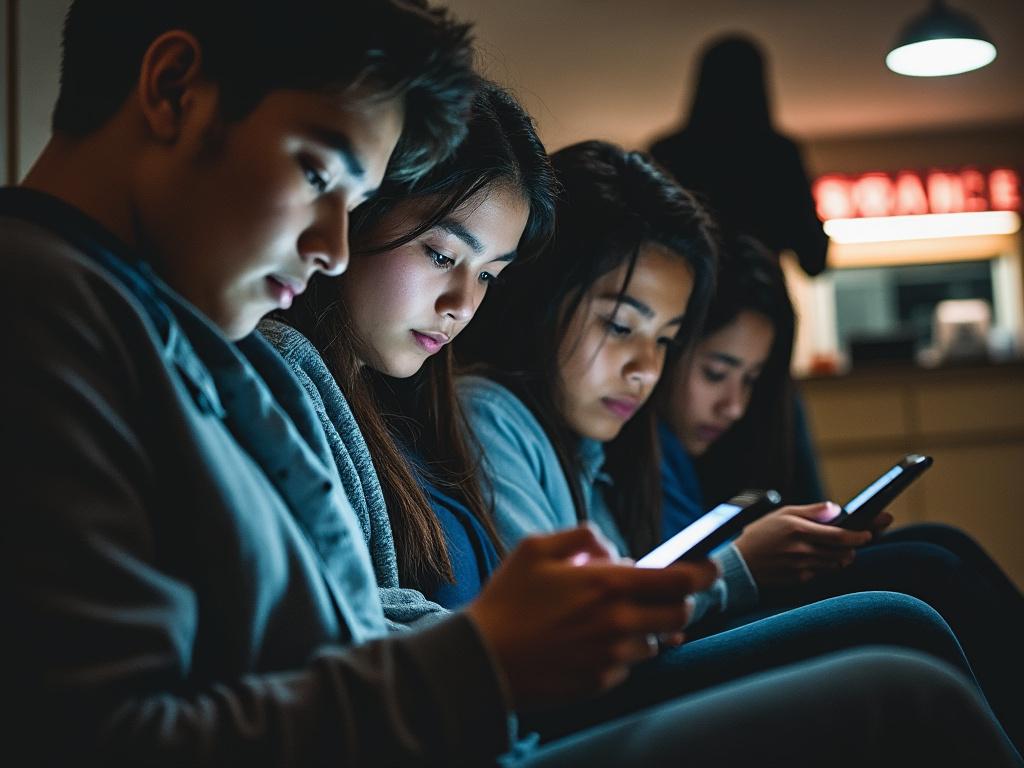
TikTok, the short-form video app, has transcended mere entertainment, influencing the mindset of America’s youth and becoming a focal point of attention for both policymakers and foreign powers. This article delves into its impacts and the strategic maneuvers behind its operations.
TikTok’s Mass Appeal and Algorithmic Magic
TikTok has revolutionized youth culture in America with its sophisticated algorithm that captivates users by seamlessly adapting to their individual preferences. By analyzing user interactions with content, TikTok’s algorithm predicts what might hold a user’s interest and places it front and center. This relentless calibration of content ensures a highly addictive user experience, making the average teen spend approximately 90 minutes daily on the platform. This tailored feed not only maximizes engagement but also subtly shapes cultural trends and behaviors, embedding predetermined values and perspectives deep into the subconscious of American youth. This profound influence on America’s next generation is well recognized by Beijing, understanding the power of shaping narratives and ideologies through such a pervasive medium.
Beijing’s Strategic Leverage
Located in Beijing, ByteDance operates under a jurisdiction that enforces stringent data regulations, implying potential compliance with state directives. This positions TikTok uniquely as a tool of soft power for China, particularly in terms of global narrative shaping. The app’s extensive reach among American youth provides a fertile ground for ideological influence. By manipulating content moderation policies, TikTok can subtly promote narratives that align with Beijing’s geopolitical interests. This could include downplaying criticisms of China’s policies or subtly promoting cultural diplomacy that enhances China’s image abroad. Such strategic content manipulation not only impacts international perceptions but can also mold the worldview of America’s next generation, aligning them more closely with perspectives favorable to Beijing’s stance, thereby leveraging long-term ideological sway.
Risks of Influence and Manipulation
Following concerns about Beijing’s strategic leverage through TikTok, it is imperative to delve into how this app, intensely popular with American youth, can subtly mold public opinion. Researchers argue that TikTok’s algorithm, tailored to maximize engagement, could prioritize content that fosters division or promotes specific political stances under the guise of harmless trends. This scenario depicts not merely content preference but a meticulously crafted strategy to sway political opinions or escalate social unrest without traditional censorship tactics. Instances where seemingly innocuous features like viral dances are juxtaposed with potent political messages exemplify this insidious capability. Such maneuvers could significantly shape electoral outcomes, illustrating a covert form of ideological warfare where consensus is engineered, not organically formed. As the platform captivates millions, the potential for such manipulation remains a grave concern, setting the stage for significant impacts on youth mental health and civic consciousness.
Impact on Youth Mental Health and Civic Awareness
TikTok’s profound grip on the youth begins with its algorithm, finely tuned to present engaging content that often highlights unrealistic lifestyles, thereby contributing to rising anxiety and depression among American teens. The platform’s powerful influence extends into the realm of information dissemination, where a single viral video can significantly shape young minds. This consolidation as a primary news source is particularly concerning, given the propensity of its content to skew towards sensationalism over accuracy, exacerbating the challenge in fostering well-informed civic engagement. The introduction of complex, often controversial topics through simplified, bite-sized content risks diluting the depth of understanding necessary for robust civic awareness. This combination of mental health strain and narrowed informational scope fundamentally shifts how the next generation interacts with democracy, potentially altering their ability to critically analyze and engage with societal issues.
Implications for Policymakers and Society
In light of TikTok’s complex influence, it is vital that policymakers craft measures that not only protect users but also preserve the merits of digital innovation. Legislation should enforce stringent data privacy laws tailored to thwart any potential misuse by foreign entities. Furthermore, considering the platform’s reach and psychological impact, mental health safeguards need integration into digital literacy curricates in schools. These policies must balance between national security concerns and fostering a climate that encourages technological advancements and maintains free speech. Diplomatic channels should also be optimized to deal with concerns about foreign influence, ensuring a cooperative but cautious international tech engagement strategy.
Conclusions
In conclusion, TikTok’s integration into American society presents both opportunities and challenges. Its ability to shape the ideologies of America’s youth underlines the need for cautious regulation and awareness. Policymaker scrutiny and informed public debate are essential to balance innovation with national security and cultural integrity.