
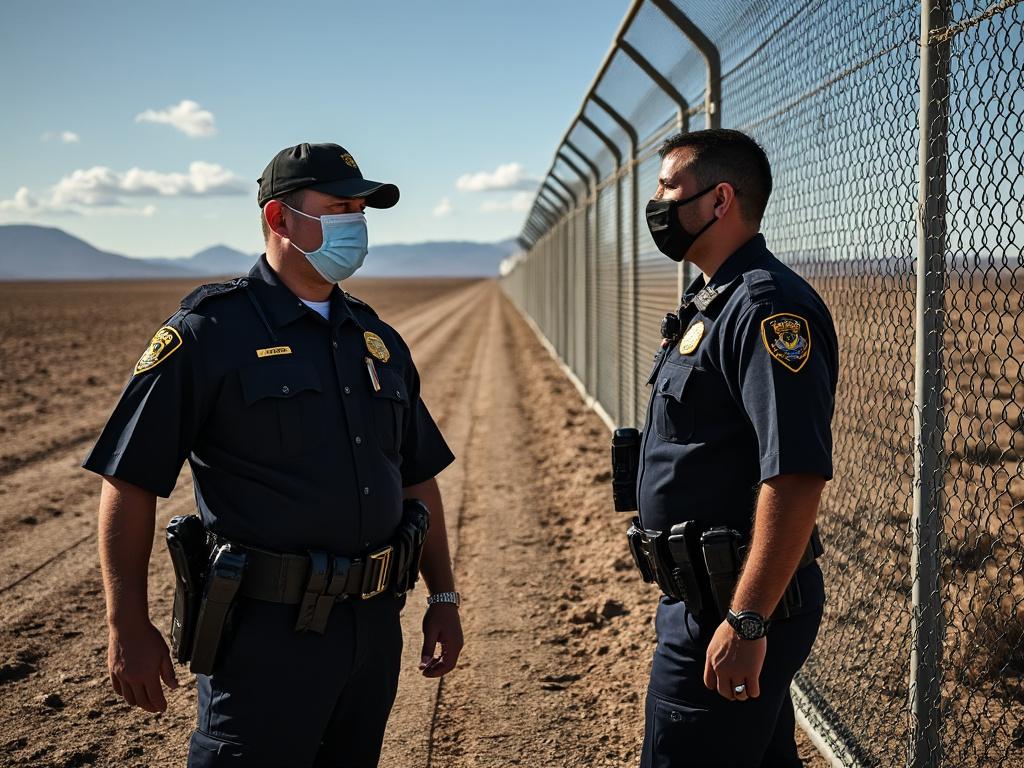
In the ongoing struggle over immigration control, a recent court ruling has challenged former President Donald Trump’s efforts to limit asylum at the U.S.-Mexico border. This article delves deep into the implications of these legal battles on asylum-seekers and the broader questions they raise about U.S. immigration policy.
Presidential Proclamation and its Immediate Impact
In November 2018, President Trump issued a proclamation to effectively suspend the granting of asylum to migrants who crossed the U.S.-Mexico border unlawfully, framing it as a necessary measure to manage the migrant “invasion.” This immediate shutdown directive starkly contrasted with international obligations, particularly the 1951 Refugee Convention, which asserts that refugees should not be penalized for their mode of entry. The proclamation attempted to bypass longstanding legislative frameworks by leaning on the president’s national security powers to enforce immigration laws, casting a deep legal and ethical shadow over asylum policies. This unilateral action triggered swift backlash, both domestically and internationally, as it strayed from established principles of asylum that prioritize humanitarian needs over migratory modes.
The District Court’s Initial Rebuke
U.S. District Judge Randolph Moss’s decision to strike down former President Trump’s asylum ban highlights a rigorous judicial examination of executive orders against established legal frameworks. In his ruling, Judge Moss pointed out the incongruity between the ban and the foundational principles of the U.S. asylum system, which mandates the government to process claims from all migrants fleeing persecution, irrespective of their entry point into the United States. He emphasized that the executive order breached both U.S. and international asylum laws that protect the rights of asylum seekers to present their claims. Moss’s detailed legal reasoning focused on how the order failed to align with the Immigration and Nationality Act (INA), which does not permit such blanket rejections based on the mode or location of entry. This judicial response served as a pivotal check on the reach of executive power concerning immigration policy, stressing the importance of adhering to existing legislative mandates over unilateral executive actions.
Fate in the Appeals Court
In the unfolding legal narrative at the D.C. Circuit Court of Appeals, the court exercised judicial prudence by modifying the District Court’s previous rebuke of President Trump’s asylum ban. This step delineated a complex terrain of legal checks and balances. The modifications reinstated selective asylum processes, notably restoring some procedural norms which had been sidelined. Yet, the court sustained certain stringent limitations on who could claim asylum, particularly affecting those arriving at non-designated points of entry. The distinctive reasoning by the Appeals Court reflected a nuanced approach, aiming to balance immigration control with international and domestic obligations toward asylum seekers. This partial restoration and continuation of limits illustrates the judiciary’s pivotal role in shaping policy while cognizant of broader humanitarian implications. The decision signaled a critical, albeit partial, victory for migrant rights advocates, setting a precedent that could influence future judicial interpretations of asylum law.
Department of Homeland Security’s Reaction
Following the appellate court’s decision, the Department of Homeland Security (DHS) implemented immediate enforcement changes at the U.S.-Mexico border. These included the partial reinstatement of asylum processing under specific guidelines, affecting both border agents and migrants. Border agents received directives to comply with the reinstated procedures, advocating for a structured yet responsive approach in handling asylum claims. For migrants, this meant a partially restored hope of entering the U.S. through legal asylum pathways, with some still facing the uncertainties of restrictive policies remaining in place. The mixed reception from various stakeholders highlighted the challenges in balancing national security interests with humanitarian obligations. This swift shift in enforcement practices illustrated the ongoing complexity and contentious nature of U.S. immigration policy at the border.
Legal and Policy Context
In a broader scope, the legal battles and policy shifts surrounding U.S. asylum laws serve as a significant thematic battleground. This legal contestation is interwoven with the efforts of the Trump administration to install restrictive measures and the subsequent modifications under the Biden administration aimed at reversing or refining these policies. The landmark ruling that limited President Trump’s asylum ban brings these frictions into sharp relief, revealing deeper national debates. The ruling itself embroiled seemingly technical jurisprudential arguments with elemental questions about the balance of power between the executive branch and judicial oversight. This confrontation underscores the varying interpretations of the U.S.’s obligations under international and domestic law concerning refugees and asylum seekers. The legal precedent set here, emerging from a confluence of appeals and challenges, carries substantial implications for future policymaking and how the U.S. adjudicates asylum rights on the fluctuating terrains of the U.S.-Mexico border.
Conclusions
The courts’ rulings against the Trump administration’s asylum limits underscore the judiciary’s critical role in upholding human rights and legal precedents. Despite attempts to overhaul asylum procedures, the fundamental protections for those seeking refuge cannot be bypassed, ensuring the U.S. remains a beacon for those fleeing persecution.