
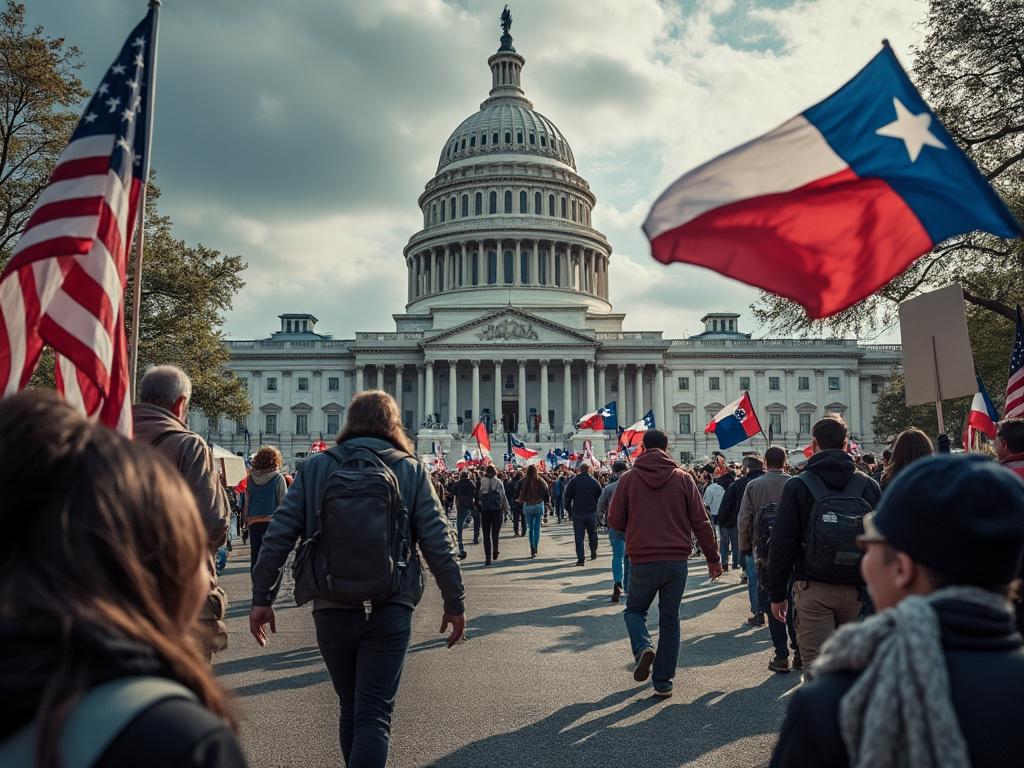
In early August 2025, a legislative battle erupted in Texas as Democrats fled the state to block a controversial redistricting proposal by Republicans. This dramatic move has sparked a national debate on voting rights and the limits of partisan power.
Background: The Redistricting Fight
In the midst of unfolding legislative turmoil, Texas Governor Greg Abbott has escalated tensions by threatening to take decisive actions against the Democrats who left the state. In a bold move to reclaim control over the redistricting battle, Abbott has suggested the potential legal removal from office of those Democrats involved in the quorum break. This extreme step underscores the high stakes of the redistricting efforts and exemplifies Abbott’s determination to advance the Republican agenda, despite significant Democratic opposition. His stance has sparked a furious debate about the legal and democratic implications of forcing elected officials out for resisting legislative measures they believe could undermine voter representation.
Democratic Quorum Break and Fleeing the State
In a bold gambit to stall the progression of the redistricting bill, over fifty Texas House Democrats opted to leave the state, thus breaking the necessary quorum required for legislative approval. Their departure not only heightened the political drama but also placed significant logistical and financial strains on the lawmakers involved. Many faced personal sacrifices, from disrupted family lives to financial pressures due to unpaid legislative duties and the costs associated with staying out of state. Amidst this turmoil, allegations surfaced accusing the Democrats of engaging in illegal fundraising to support their stay in Washington D.C. This controversy stirred further debate over the ethics and transparency of their actions, as they navigated complex legal scrutiny while rallying national attention to their cause. Their strategy, though critiqued by some as extreme, highlighted profound disagreements on the integrity of legislative processes and the lengths to which elected officials might go to uphold their principles.
Abbott’s Retaliation and Legal Threats
In response to the Democratic exodus, Governor Greg Abbott escalated the confrontation by threatening to use legal means to compel the return of the absent lawmakers, underlining his determination to pursue redistricting without delay. Abbott’s utilization of the legal system pivoted around the possibility of deploying law enforcement to enforce warrants for the representatives’ arrest upon their return to Texas, authorized by Texas House Speaker Dustin Burrows. These civil warrants, while largely symbolic, signaled a severe crackdown on the quorum-breaking tactic. This aggressive approach highlighted the stark division in Texas politics and showcased the extent to which Abbott was willing to use his gubernatorial powers to counteract the Democrats’ maneuvers. This legal strategy raised significant concerns about the erosion of democratic norms, particularly the implications of using arrest as a tool to achieve legislative outcomes.
National Political Context and Fallout
The escalating tension in Texas undeniably captures a fractious national mood, reflecting similar crises in other states, and underscoring the divisive issue of gerrymandering in American politics. As Governor Greg Abbott threatens to oust Democrats who fled Texas, leaders from predominantly Democratic states have voiced staunch opposition, framing the standoff as an assault on fundamental democratic principles and minority representation. This national outcry suggests a potential federal review of redistricting powers and raises questions about the impartiality of redistricting processes across the Union. Such a scenario impinges on long-standing democratic norms, potentially reshaping federal intercessions in state electoral affairs, stirring bipartisan debate, and inciting public mobilization on the intricacies of electoral fairness and the protection of minority voices in America’s democracy.
Implications and What Comes Next
As the standoff escalates, Governor Greg Abbott’s threat to potentially force out Democrats who have left Texas to avoid a vote on redistricting raises significant constitutional and legal questions. If executed, this could prompt a frenzied shift in legislative tactics not only in Texas but also possibly inspiring similar strategies in other states. The potential for negotiations remains murky, with both parties holding firm to their stances. This confrontation might set a critical precedent, influencing how extreme legislative measures are considered and contested. Looking ahead to the 2026 midterms, these events could dramatically alter the political landscape, informing campaign strategies and voter mobilization efforts on both sides of the aisle. How this resolves could either bridge divides and foster dialogue or deepen the partisan rift, shaping the operational dynamics of Texas politics for years to come.
Conclusions
The standoff in Texas not only emphasizes the deep divisions within American politics but also poses pressing questions about the integrity of electoral systems and representation. As the nation watches, the resolution of this conflict could redefine the rules of partisan engagement and the architecture of American democracy.