
In a dramatic clash over redistricting, Texas Democrats fled their state, joining forces with New York Governor Kathy Hochul to contest Republican-led electoral map redrawings. This article explores the reasons behind their exodus, the response from Texas Governor Greg Abbott, and the broader national concerns over democratic fairness.
The Exodus and Its Catalysts
In early 2021, a contentious redistricting proposal by Texas Republicans set the stage for a dramatic political clash. Aimed at entrenching GOP power, the plan would alter district lines to disadvantage Democratic voters, particularly in burgeoning urban areas like Austin and Houston. Local Democrats immediately lambasted the move as an egregious “power grab,” echoing national criticism from figures such as President Biden, who termed it an “attack on democracy.” This heated atmosphere precipitated the Texas Democrats’ unprecedented decision to leave the state, a bold maneuver intended to deny the Republican majority the quorum needed to pass the redistricting plan, thus catapulting Texas into a significant political showdown with potential nationwide implications.
Governor Abbott’s Countermeasures
In response to the Texas Democrats’ departure to block the redistricting bill, Governor Greg Abbott escalated measures significantly. Abbott, emphasizing legislative duty and authority, announced removal proceedings and issued arrest warrants to compel the Democrats’ return. This use of executive power raised substantial debates around the legality and ethics of such enforcement methods. Historically, similar political standoffs have occurred, but the scale and implications of Abbott’s actions are notable. These measures reflect a deepening partisanship and raise critical questions about the balance of power and the democratic process. The strategy, intended to secure legislative quorum, also impacts the broader national dialogue on voting rights and governance.
The Nationalization of the Dispute
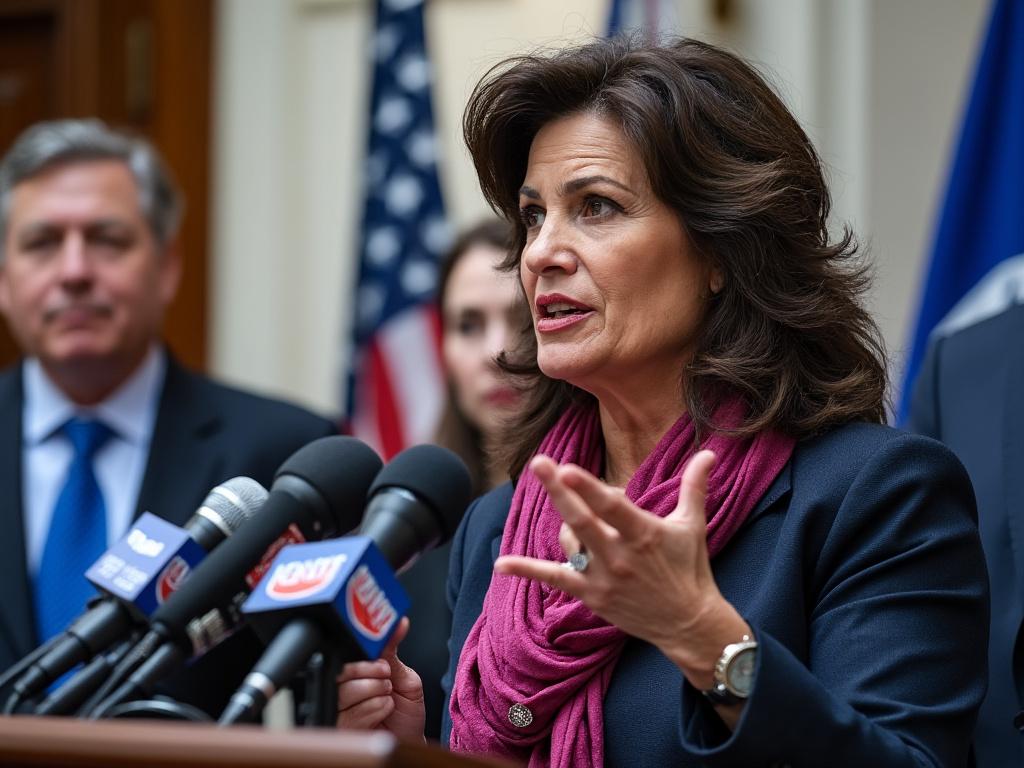
Governor Kathy Hochul’s vocal opposition to Texas GOP’s redistricting efforts swiftly elevated the local dispute to a prominent national concern. Hochul, leveraging her platform, underscored the actions in Texas as a microcosm of broader democratic vulnerabilities across the United States. Through her public addresses and media engagements, she forcefully criticized the strategies employed by Texas Republicans as undermining democratic norms. Furthermore, Hochul’s calls for other Democratic states to adopt preemptive measures against similar tactics resonated deeply, encouraging a unified response among states with Democratic leadership. Her condemnation and proactive stance not only intensified the spotlight on Texas but also widened the discourse, implicating the necessity for national vigilance and solidarity amongst democracies against potential overreaches. This was a stark contrast from previous isolated state-level disputes, marking a significant shift in the political landscape.
The Democrats’ Defense of Voting Rights
The Texas Democrats’ decision to flee the state in protest against proposed voting restrictions was framed as a vital defense of democracy itself. They contended that the GOP’s redistricting plans would disproportionately disenfranchise voters of color and dilute minority voting power, thus violating the principles of fair representation guaranteed under the U.S. Constitution. In a broader national context, this tactical move highlights a growing trend where state-level disputes over electoral integrity capture nationwide attention and provoke significant legal and political battles. By directly challenging the redistricting efforts, Texas Democrats underscored the ongoing national debate on how best to ensure every citizen’s right to vote is protected. Their actions may serve as a bellwether for how aggressively Democratic lawmakers across the country are prepared to act to safeguard voting rights ahead of critical future elections.
Analysis and Future Implications
The standoff in Texas over redistricting could significantly influence the 2026 midterm elections and alter the political landscape for years to come. Depending on the resolution, if Democrats manage to secure fairer redistricting practices, it could lead to a more balanced representation in Texas, potentially flipping some districts blue. This outcome might encourage Democrats nationally to pursue similar strategies in other GOP-dominated states, using legal challenges and public campaigns to advocate for electoral reforms. Conversely, if Republicans prevail, they might be emboldened to push for even more stringent control over the redistricting processes in other states, potentially locking in their advantages. Such scenarios underscore the possibility of escalating confrontations over voting rights, prompting both parties to refine their strategies in response to shifting public opinion and court rulings. This evolving dynamic could thus reshape future electoral strategies, voter engagement, and ultimately, the balance of power across the United States.
Conclusions
This redistricting standoff marks a critical juncture in U.S. politics, revealing deep divides and a potent national debate over the sanctity of democratic processes. As the situation continues to evolve, the actions of Texas Democrats and the responses from GOP leaders like Governor Abbott could significantly reshape future election landscapes.