
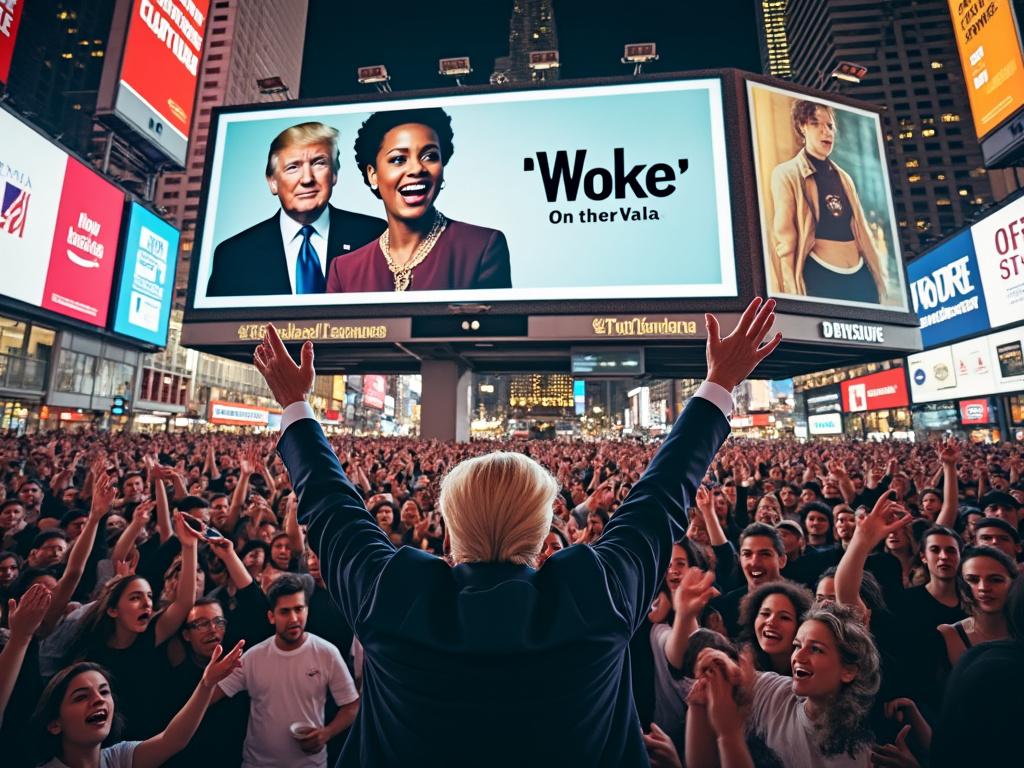
In a recent surge of public statements, Donald Trump harshly criticized ‘woke’ advertising campaigns, igniting a fervent debate on political messaging in marketing. This discussion scrutinizes the financial and societal consequences for brands that adopt or reject socially conscious themes.
Trump’s Comments and Their Context
On August 4, 2025, Donald Trump ignited a heated debate by endorsing Sydney Sweeney in an American Eagle jeans advertisement, which he declared the “HOTTEST” at the moment. Trump’s endorsement not only propelled Sweeney’s brand but explicitly critiqued high-profile figures like Taylor Swift, whom he branded as ‘woke’ losers. Such comments underscore his knack for tapping into the cultural and political zeitgeist that reacts against progressive brand movements. Trump’s stark terminology resonated deeply with his political followers, reinforcing a stark division within American consumer culture where marketing campaigns are as much about ideological battles as they are about selling products. This polarizing strategy highlights a broader marketing trend where brands align more closely with either progressive or conservative values, increasingly making socio-political alignment a cornerstone of brand identity in America.
The Broader ‘Woke’ Ad Campaign Backlash
Trump’s critiques are part of a broader conservative pushback against brands that incorporate progressive themes in their marketing, such as diversity and LGBTQ+ inclusivity. Notably, Bud Light’s partnership with transgender influencer Dylan Mulvaney led to a steep sales decline after conservative patrons boycotted the brand, exemplifying the financial risks tied to ‘woke’ advertising in a divided America. This reactionary trend highlights deeper socio-political rifts, as businesses increasingly face backlash from both sides of the ideological spectrum, putting their brand loyalty and market position at stake. Such controversies underscore the complexities of navigating corporate social responsibility in an era where public opinion can be both intensely polarized and rapidly mobilizing.
Sydney Sweeney, American Eagle, and Conservative Star Power
Sydney Sweeney’s partnership with American Eagle, championed by Trump’s endorsement, starkly contrasts the broader industry’s experimentation with progressive advertising. Diverging from fallout experienced by brands like Bud Light, this move highlights a trend where conservative icons are used to solidify a brand’s alignment with specific sociopolitical stances, appealing directly to like-minded consumer bases. Trump’s alignment with figures like Sweeney underscores a strategic use of celebrity power to endorse a return to ‘traditional’ values in marketing, introducing a bifurcated market dynamic where political ideologies increasingly influence consumer choices. This targeted alignment not only attracts a niche market but also provokes fervent loyalty among conservative shoppers, subsequently setting the stage for politicized brand identities.
Political Strategy Behind Trump’s Remarks
Donald Trump’s vociferous critique of ‘woke’ branding taps into deeper veins of cultural discontent, serving as a potent political strategy. By framing progressiveness as a weakness, Trump not only differentiates his stance from the liberal narratives often advanced in advertising but also fortifies the ideological boundaries within his base. This tactic not only consolidates his core supporters but also attempts to reshape Republican politics. The influence is palpable as more GOP figures adopt a similar rhetoric, using ‘anti-woke’ messages to appeal to voters who feel alienated by modern progressive campaigns. This strategy, while intensifying America’s cultural wars, provides a rallying point during election cycles, evidencing a calculated appeal to emotions over policy specifics. The targeted messaging aligns with conservative values, effectively turning cultural grievances into political mobilization.
Brand Responses and Market Realities
Brands have been quick to adapt to the polarizing climate that Trump’s critique has engendered. For instance, some companies reacted by muting their previously vocal support for progressive issues, subtly shifting their marketing to more neutral grounds to avoid alienation and backlash. Conversely, certain brands doubled down on their commitment to inclusivity and diversity despite potential controversies. Market studies reveal a nuanced picture: brands that maintained a clear, consistent message on inclusivity typically fostered a loyal customer base, whereas those who wavered often faced confusion in the market, impacting consumer trust and long-term loyalty. This dynamic underscores a critical lesson: the alignment of brand values with consumer expectations is paramount, yet challenging, in an era where cultural and political lines are increasingly blurred.
Conclusions
Trump’s derogatory stance on ‘woke’ advertising frames a significant cultural division in America, mirroring broader political and commercial dynamics. As brands navigate the treacherous waters of social messaging, Trump’s polarizing rhetoric seeks to influence both political landscapes and corporate strategies, highlighting the ongoing tension and high stakes in the nation’s culture wars.