
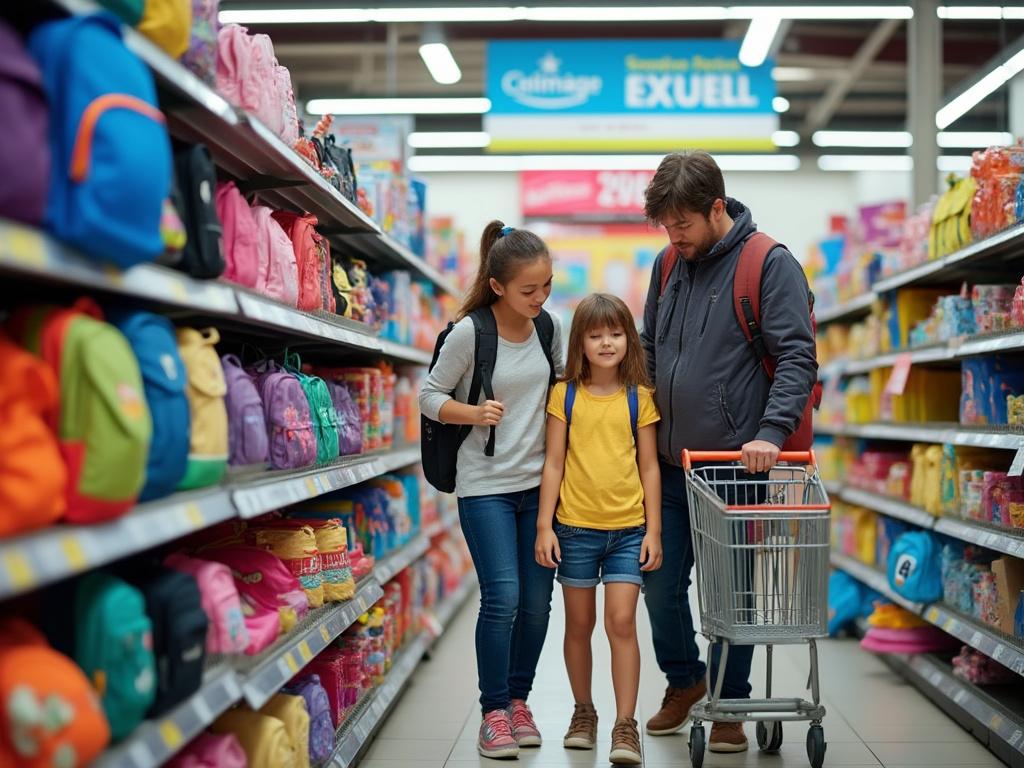
As the 2025 back-to-school season approaches, parents are grappling with the effects of Trump-era tariffs on school essentials. This article delves into the heightened costs and shifts in shopping strategies due to these tariffs, exploring how families and retailers are adapting.
The New Landscape of School Shopping
The introduction of Trump-era tariffs has notably shifted the terrain of back-to-school shopping as parents face escalated prices on school essentials like stationery, clothing, and backpacks. The surge in costs is primarily attributed to higher import duties on goods manufactured abroad, particularly from countries like China, which traditionally supplied affordable school supplies. Parents have consequently adapted by initiating their shopping endeavors several months earlier than usual, aiming to dodge the brunt of escalating prices and looming shortages. This change is not merely a slight adjustment but a significant recalibration in consumer behavior, signaling a new era of strategic shopping to accommodate the financial strains imposed by these tariffs.
Strategic Responses from Retailers
In response to the Trump-era tariffs, major retailers have strategically adapted to protect both their customer base and pricing structure. For instance, Target boldly pledged to maintain its 2024 pricing levels into the 2025 back-to-school season, absorbing the tariff costs to prevent price hikes for consumers. Similarly, Walmart and other retail giants opted to increase their inventory stocks earlier in the year, anticipating higher tariffs on imported goods like stationery and textiles. This preemptive move was crucial not only in ensuring availability of essential school supplies but also in staving off potential cost increases driven by the tariffs. These strategies underscore a commitment to customer loyalty and demonstrate a keen awareness of market dynamics. Amidst rising costs and economic unpredictability, such actions are vital for maintaining consumer trust and encouraging continued patronage during the pivotal back-to-school shopping season.
Economic Impact and Consumer Adjustments
As the Trump-era tariffs persist, the economic landscape for average American households has experienced notable shifts, particularly influencing back-to-school shopping. Recent analysis shows that the spending per child on school supplies has surged by approximately 15% compared to previous years. This uptick is attributed to the heightened costs of imported goods, which form a significant component of school essentials. In response, financial advisors and consumer advocates stress the importance of smart shopping practices. Parents are advised to focus on purchasing only essential items and to seek out generic or store-brand products where possible. Additionally, leveraging back-to-school sales and tax-free holidays has become more crucial than ever to alleviate the financial burden. These targeted strategies align with broader changes in consumer behavior, emphasizing the adaptation necessitated by the ongoing economic pressures derived from tariff increases.
Supply Chain Disruptions and Product Availability
In light of Trump-era tariffs, there is a discernible shift in global supply chains affecting product availability for back-to-school shopping. According to Erik Guzik of the University of Montana, the implemented tariffs have catalyzed a significant reduction in manufacturing orders. This trend is primarily due to increased costs, compelling manufacturers to scale down production to mitigate financial risks. Consequently, as the back-to-school season advances, there is an looming threat of product shortages. Items such as electronics, clothing, and even basic school supplies, which are heavily reliant on international supply chains, could see diminished shelves. This scenario forces parents to either source alternative products or face the grim reality of unavailable essential supplies. The ripple effect of such supply chain disruptions extends beyond immediate consumer inconvenience, heralding a potential reshaping of shopping dynamics as availability dictates choices rather than preference or price alone.
Looking Ahead: The Future of Back-to-School Shopping
As tariffs continue to fluctuate, back-to-school shopping habits are likely to evolve substantially. Parents and retailers may pivot towards more strategic, cost-conscious approaches. One emerging trend could be the increased use of direct peer-to-peer and second-hand markets. These platforms not only circumvent traditional retail channels, potentially lessening the immediate impact of tariffs, but also promote cost savings and sustainability. Likewise, the demand for multifunctional, durable school supplies could rise, as families seek items that offer longer usage periods to counteract the need for frequent replacements due to budget constraints. Retailers, adapting to these consumer shifts, might focus on offering more generic brands or creating tariff-inclusive pricing strategies to maintain customer loyalty. Collaborations between businesses to consolidate shipping and distribute tariff costs over a wider range of products might also provide some relief, making essentials more affordable for parents.
Conclusions
The 2025 back-to-school season underscores a critical moment for families and retailers, both adapting to cope with the economic realities of Trump-era tariffs. As both parties innovate to stretch every dollar, the importance of strategic planning and financial vigilance comes to the fore, shaping future shopping seasons.