
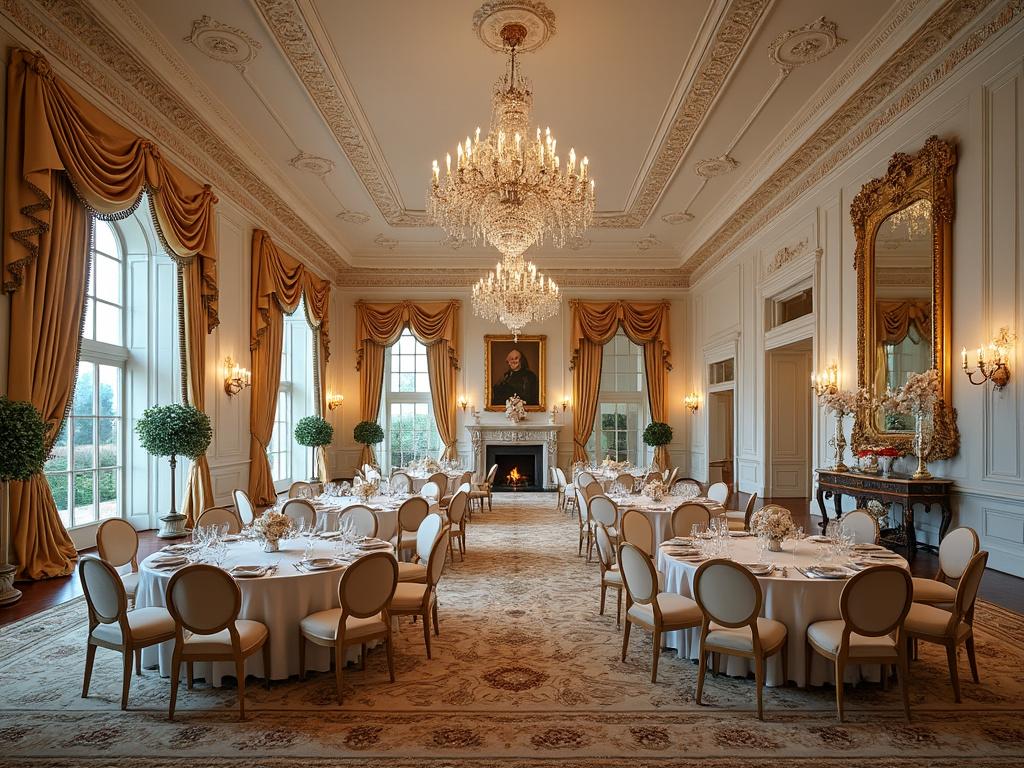
In August 2025, the announcement of a new $200 million grand ballroom for the White House sparked widespread debate. This expansion, covering 90,000 square feet, raises questions about necessity, symbolism, and the preservation of American values in government spaces.
Historical Context and Current Limitations
The White House, as the official residence and primary workplace of the U.S. president, has continually balanced its roles through a complex intertwining of personal living space and official state function areas. Traditionally, the East Room, the largest in the White House, has served myriad purposes—from cultural performances to large diplomatic gatherings. Yet, this room and the other available spaces often reach their functional limits, accommodating only up to 300 people for receptions. This limitation has frequently necessitated the use of temporary tent structures on the South Lawn to host larger events. These makeshift solutions, while practical, lack the permanence and dignity expected of the premier venue for American statecraft, often proving insufficient in terms of security, comfort, and technological needs for modern diplomatic events. The inconsistency and inadequacy of these temporary setups not only impinge on the event’s efficacy but also raise questions about the symbolic adequacy of U.S. hospitality in the realm of global diplomacy.
The Vision for the New Ballroom
In envisioning the new White House ballroom, President Trump drew inspiration from Mar-a-Lago’s grandeur, envisioning a facility that could comfortably accommodate up to 650 guests. The design, orchestrated by McCrery Architects, promises an elegant space that expands the White House’s capacity for large-scale, state-level entertaining. With features focusing on enhanced hospitality and state-of-the-art security measures, the ballroom intends to provide a more dignified and secure setting for international diplomacy. Architecturally, the goal is to complement the historical aesthetics of the existing structure while introducing modern functionalities. This substantial enhancement is expected to obviate the need for temporary setups like tents, which have been a recurring compromise at significant events. The project aspires not only to heighten the prestige of America’s presidential residence but also to transcend the current logistical limitations by offering a permanent, stately venue for international engagements and ceremonial occasions.
Criticism and Controversy
Critics of the $200 million White House ballroom expansion highlight the juxtaposition between this luxurious project and the pressing infrastructure and social services needs across the nation. Questions arise over the justification of such a grandiose expense when many Americans grapple with economic instability and public services deficiencies. The timing of this endeavor, amid nationwide debates on fiscal responsibility, fuels further discontent. Additionally, considering the legacy and optics, detractors argue that such lavish spending may tarnish presidential image rather than enhance it. Critics also dispute the necessity of such a palatial venue, viewing it as a move towards ceremonial grandeur that could distance the presidency from the public’s everyday realities.
Cultural and Symbolic Implications
Constructing a grand ballroom in the White House might project a shift towards regality that is at odds with democratic and egalitarian values traditionally celebrated in American governance. Such an opulent addition could be perceived as a cultural nod towards monarchical excess, rather than the understated dignity that often characterizes presidential spaces. By distancing the physical representation of American leadership from the simplicity and accessibility emblematic of democracy, this development could symbolically align the presidency more closely with imperial or aristocratic forms of governance. This divergence not only raises questions about the representational role of the White House but also instigates a cultural reevaluation of what the structure, and by extension, the office of the presidency, should embody in a republic rooted in the principle of ‘by the people, for the people’.
Reflections on the Future of Presidential Spaces
Reflecting on the future implications of a substantial new ballroom in the White House raises concerns about the potential for escalating architectural expansions. A space of this magnitude could set a precedent for future modifications that may further stray from the White House’s historical and cultural significance. Future administrations might be tempted to utilize this space not just for state functions but for increasingly lavish, less publicly oriented events. This could potentially alienate the very citizens it aims to serve. Exploring alternatives, such as revamping existing facilities or using virtual technologies for large gatherings, might preserve the integrity and accessibility of the Presidential residence, aligning modern needs with traditional values. These approaches could avoid the risks of creating a quasi-monarchical ambiance in a democratic stronghold.
Conclusions
While the White House’s current entertainment facilities have their limitations, the proposal for a grandiose, Mar-a-Lago-inspired ballroom is steeped in controversy. Weighing the benefits of enhanced hospitality against the risks of diminished democratic symbolism and substantial financial costs, the necessity and appropriateness of this expansion remain highly debatable.