
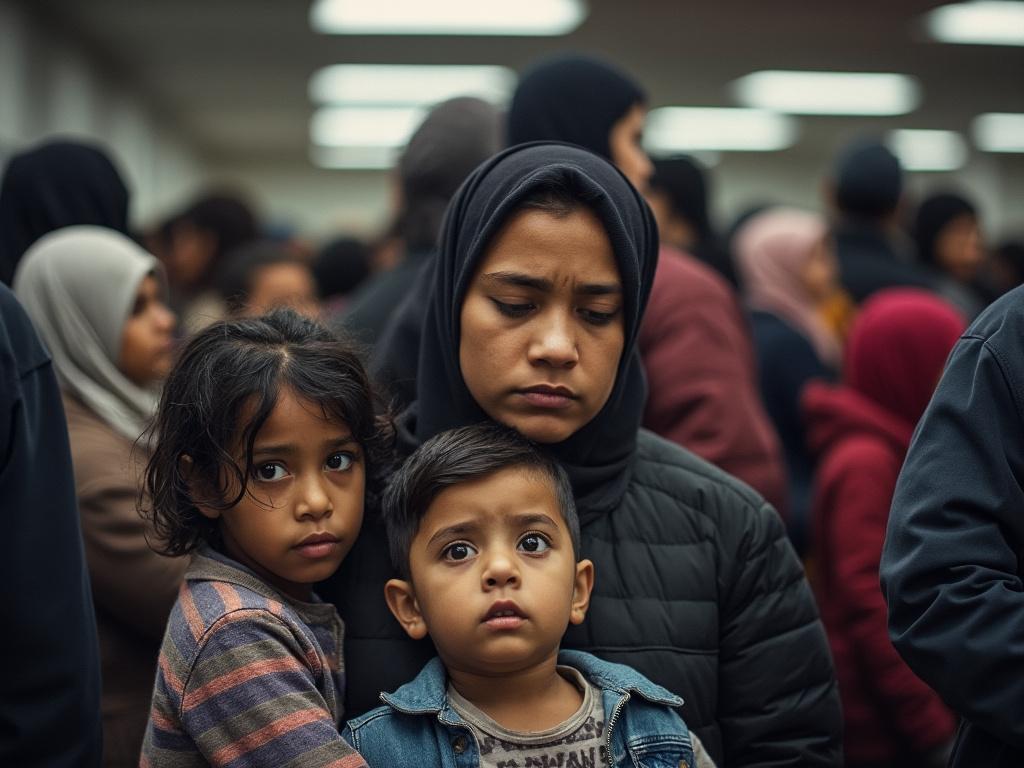
In February 2025, the Trump Administration authorized the deportation of nearly 500 migrants to Panama and Costa Rica, sparking international concern and legal challenges. This article delves into the complexities and consequences of this controversial policy, examining its impact on vulnerable asylum seekers and the ensuing political, legal, and humanitarian responses.
The Immediate Impact of Deportations
In February 2025, the Trump Administration’s abrupt deportation of nearly 500 migrants to Panama and Costa Rica resulted in immediate distress for those displaced. Many of these individuals, including families and asylum seekers from regions like Afghanistan and Iran, found themselves in unfamiliar and often hostile environments without adequate support or legal recourse. These countries, unprepared for such a sudden influx, struggled to provide basic necessities, leading to crowded shelters and insufficient medical care. The migrants faced not only physical displacement but also psychological trauma, exacerbating an already dire humanitarian situation. This stark suddenness and lack of infrastructure brought severe criticism both domestically and internationally.
Legal and Human Rights Challenges
The legal and human rights implications of the deportations drew immediate international scrutiny. This chapter details the legal battles that unfolded, focusing on the challenges in Costa Rica’s Constitutional Court and the advocacy by human rights organizations. It examines the accusations against the U.S. administration for neglecting international asylum obligations and due process principles. Specifically, Costa Rica’s courts were petitioned by various human rights groups that argued the deportations violated both local and international laws protecting asylum seekers. Central to the debate was whether U.S. actions aligned with the United Nations Convention relating to the Status of Refugees, as well as Costa Rica’s own migrant protection statutes. The legal contention centered on the principles of non-refoulement, guarantying that no individual should be returned to a country where they would face torture, cruel, inhumane, or degrading treatment or punishment. These legal proceedings were accompanied by widespread advocacy campaigns, compelling both national and international attention to the plight of the deported individuals.
Senator Shaheen’s Inquiries and Demands for Transparency
Senator Jeanne Shaheen’s vocal stance on the Trump Administration’s deportation tactics has been marked by her demands for heightened transparency and legal accountability. Critiquing Secretary of State Marco Rubio, she emphasized the necessity of adhering to the Case-Zablocki Act, which mandates that international agreements be reported to Congress. Shaheen pushed for detailed reports on the deportations to Costa Rica and Panama, questioning both the legality and the ethical implications. Her inquiries serve as a critical pivot from discussions of human rights violations to the mechanisms of government oversight and the enforcement of existing U.S. laws on international agreements, setting a legislative backdrop for the subsequent scrutiny of broader U.S. immigration policies under the Trump tenure.
The Broader Implications for U.S. Immigration Policy
The broadening of U.S. immigration policy under Trump’s administration has cast a new light on the nation’s stance as a sanctuary for the marginalized. Asylum seekers, often fleeing severe adversities, historically viewed the U.S. as a haven. However, the stark increase in deportations to Central American nations like Costa Rica and Panama underlines a shift. This refusal to offer refuge not only impacts the displaced but significantly strains diplomatic relations. Countries burdened with the sudden influx of deportees may face social and economic pressures, potentially souring ties with the U.S. The evolving immigration enforcement policies herald a departure from the emblem of liberty and sanctuary, reshaping international perceptions of U.S. policy and ethics in the process. The ripple effects of these policies challenge the bedrock of America’s immigration narrative and its role on the global stage, setting a precedent for future legal and political scrutiny.
Future Prospects and Continuing Uncertainties
The deported individuals confronting their uncertain realities in nations like Costa Rica and Panama face a multifaceted challenge as they navigate unfamiliar legal and societal terrains. The outcomes for these individuals often hang precariously in balance, as the shifting landscape of U.S. immigration law adds layers of complexity to their status and future prospects. Legal proceedings in the U.S. continue to debate the legitimacy and ethics of such deportations, increasingly involving the U.S. Supreme Court. This apex body’s rulings could potentially set new precedents, influencing future immigration policies. Meanwhile, advocacy groups and legal experts are vigorously debating potential reforms or reversals of current policies under the looming pressure of public and political scrutiny.
Conclusions
The 2025 deportations spearheaded by the Trump Administration highlight a complex interplay between national security concerns and human rights obligations. The international outcry and subsequent legal challenges underscore the delicate balance between enforcing immigration laws and adhering to international humanitarian principles. The ongoing debates and legal proceedings continue to shape the landscape of U.S. immigration policy.