
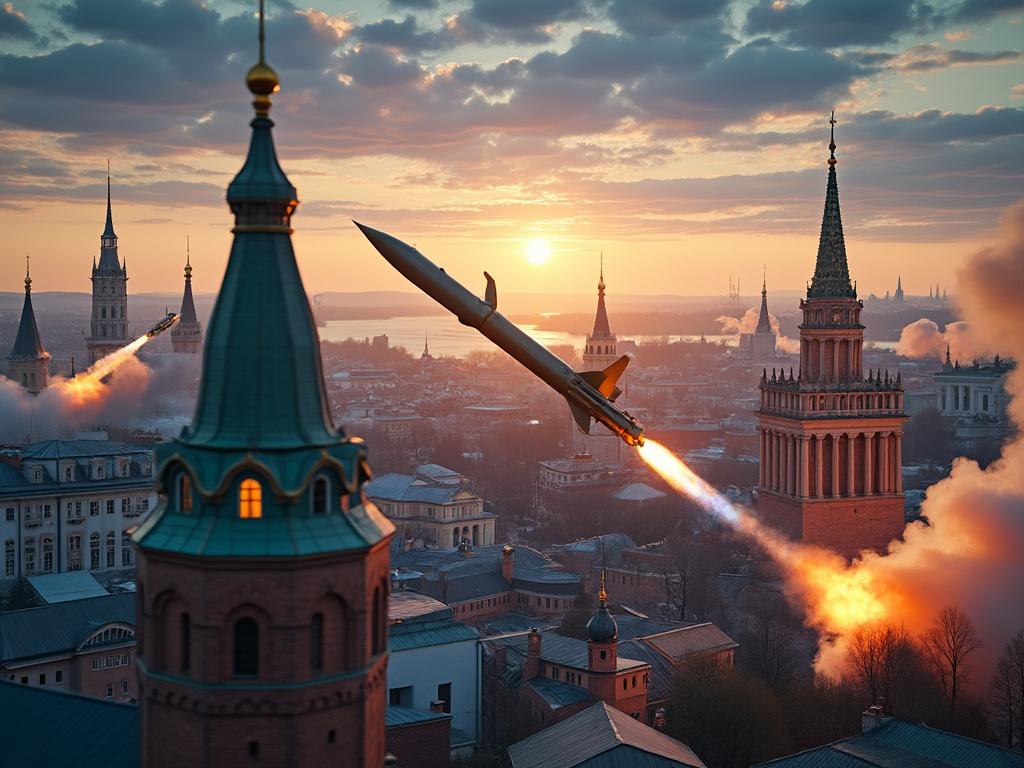
In a major geopolitical shift, Russia has declared the end of its moratorium on intermediate-range missile deployment, citing recent actions by the U.S. and NATO. This development could pave the way for a new arms race, reminiscent of Cold War tensions, affecting global security dynamics profoundly.
Historical Background
The Intermediate-Range Nuclear Forces (INF) Treaty, forged in 1987 between the United States and the Soviet Union, marked a pivotal point in the reduction of nuclear arms during the Cold War, obligating both superpowers to eliminate their stockpiles of intermediate- and shorter-range missiles. As this treaty phased out an entire class of nuclear weapons, Europe’s geopolitical landscape experienced a significant shift towards decreased nuclear threat. However, the stability brought by the INF began to waver with accusations from the U.S. that Russia was developing missiles violating the treaty’s terms. Despite Russian denials, these allegations intensified, leading to a mutual withdrawal from the treaty by both nations in 2019 during the Trump administration. This unraveling set the stage for a renewed strategic arms competition, directly impacting global security structures and prompting Russia’s subsequent military maneuverings.
Russia Ends Its Missile Moratorium
In August 2025, Russia officially announced the termination of its voluntary halt on the deployment of intermediate-range missiles. This decision marks a pivotal shift from previous policies influenced by the INF Treaty, reflecting Russia’s response to perceived threats from NATO and the United States. Citing the forthcoming deployment of new missile systems in Europe by NATO forces, Russia argued this posed a significant encroachment on its national security perimeter. The decision is also a reflection of the evolving geostrategic landscape, where technological advancements and changes in military doctrines have made previous agreements obsolete in the eyes of the Kremlin. By renouncing the moratorium, Russia aims to recalibrate its strategic posture in Europe, signaling its readiness to counterbalance the increased military capabilities of NATO countries surrounding its borders. This move is seen as a direct consequence of the deteriorating trust and cooperative frameworks that previously aimed to curb the arms race in the region.
Escalation and Justification
This chapter delves into the rationale offered by Russian officials for abandoning the self-imposed moratorium on deploying intermediate-range missiles. Justifications mainly revolve around perceived threats from NATO, accentuated by announcements of U.S.-made missile deployments near Russian borders. Russian representatives claim these NATO maneuvers represent a direct confrontation and an undermining of Russia’s security sphere, thereby making the moratorium on such missile systems untenable. Such diplomatic communications from Russia consistently highlight the nation’s stance that its military actions are reactive measures to NATO’s aggressive postures. This narrative frames the escalation as a necessary adjustment in defense strategy, compelled by actions perceived as hostile by the West.
Global Reactions and Implications
The global reaction to Russia’s cessation of its missile deployment freeze has been one of pronounced concern and strategic recalibration. NATO members have been particularly vocal, viewing this development as a destabilizing move that could escalate military tensions in Eastern Europe. The U.S. has signaled a possible enhancement of its defense posture in response, including potential increases in missile defense resources within vulnerable allied territories. Non-NATO countries, especially those in close proximity to Russia, are reassessing their national security strategies in light of this heightened threat. Meanwhile, power dynamics in areas like the South China Sea and the Middle East could witness shifts as regional powers may feel compelled to align more closely with either NATO or Russia to safeguard their interests. This situation presents a complex puzzle of diplomatic engagement and military preparedness globally.
Potential Consequences and Future Scenarios
Russia’s withdrawal from its self-imposed freeze on deploying intermediate-range missiles marks a potent escalation in military posturing, which may ignite a fresh arms race. The implications of this decision could result in strategic missile deployments in allied countries like Belarus, directly altering the security landscape of Eastern Europe and beyond. This shift could provoke neighboring nations and NATO members to bolster their own missile capabilities in a bid for deterrence, thereby intensifying global arms competition.
The potentially destabilizing effect on global strategic stability cannot be overstated. As intermediate-range missiles considerably reduce the lead time of a military strike and increase the difficulty of effective defense strategies, their redeployment poses significant challenges to existing security frameworks. This development might necessitate novel approaches in arms control dialogues, urging international bodies to rethink and innovate in disarmament strategies to curb an escalating arms buildup.
Conclusions
Russia’s decision to end its missile moratorium marks a significant escalation in global military tensions, reflecting deepening divides between East and West. This move not only signals the potential return of intense arms competition reminiscent of the Cold War era but also underscores the fragility of international arms control agreements in today’s geopolitical landscape.