
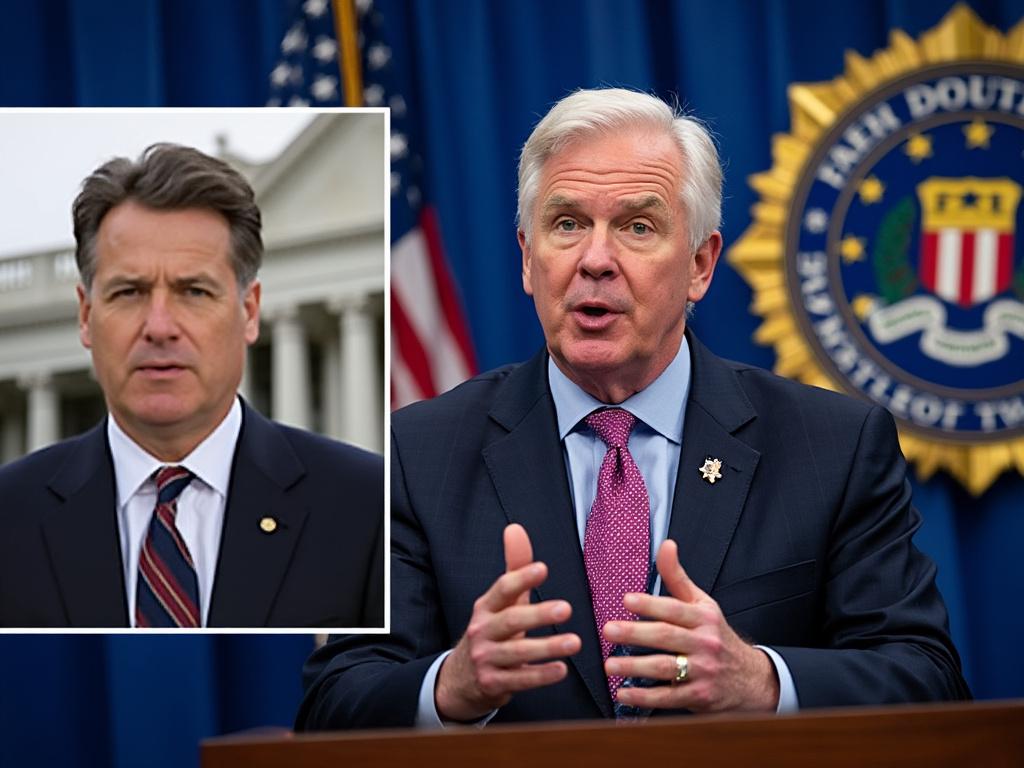
The recent request by Senator John Cornyn for FBI intervention in locating Texas House Democrats who fled the state to prevent a quorum sheds light on deep political tensions and potential legal repercussions. This article explores the implications and the broader impact on U.S. politics.
Cornyn’s Appeal to the FBI
Senator John Cornyn, in a compelling tactical move amidst his own primary challenges, reached out to the FBI for assistance in returning the absent Texas Democrats. His approach frames their departure as not merely a political protest but as an act potentially breaching criminal law. Cornyn’s citations for legal grounding hinge on the dramatic interpretation of such political acts as fugitive offenses, drawing a bold line between political dissent and legal violation. This sharp pivot in strategy drew immediate varied reactions. Federal officials appeared cautious, likely due to the delicate balance between federal intervention and state sovereignty, while state officials, particularly Republicans, showed a mixture of support and skepticism towards leveraging federal authority to solve state legislative standoffs.
The Political and Legal Context
Quorum-breaking in Texas is neither unprecedented nor unexplored in the realm of legislative strategies, yet the current context thrusts this action into a sharper, more controversial light. Historically, such breaks have occurred as measures of last resort, typically reflecting deep partisan divides and an attempt by the minority to leverage their collective power to block legislation. This tactic directly challenges the majoritarian premise of parliamentary procedure, offering the minority a form of veto when other avenues close.
The stakes are notably high given the redistricting proposal’s potential to reshape Texas’s political landscape favorably towards Republicans. Through strategically redrawing district lines, such legislation could entrench party power, skew representation, and influence electoral outcomes for years. By departing the state, Democrats aim not only to stall this specific legislation but also to spotlight what they perceive as an assault on fair democratic processes. Their dramatic move seeks to rally public support and pressure the majority party to negotiate more balanced terms.
In legal terms, the quorum break is grounded in the Texas Constitution, which stipulates that two-thirds of legislators must be present for the legislature to conduct business. Thus, Democrats’ absence legally prevents the passage of legislation, including the controversial redistricting bill. The request for FBI involvement by Senator Cornyn introduces a novel legal complexity, blurring the lines between state governance and federal intervention. This move raises profound questions regarding the extent of federal authority in state legislative processes and underpins a broader discussion about the balance of power between state and federal oversight.
National Spotlight and Presidential Comments
The Texas quorum break not only captured local attention but also sparked reactions from national figures, including President Donald Trump. When Trump publicly commended Texas Republicans for their steadfastness and criticized Democrats for evading their legislative responsibilities, his comments amplified the existing political discord. Media outlets nationwide dissected his statements, exemplifying how presidential remarks can swiftly influence public perception, shifting the narrative to focus on issues of duty and legality. This intersection of state and national politics underscored the strategic use of presidential influence to sway public opinion and potentially impact state-level political mechanics. By engaging directly with state issues, Trump’s involvement served dual purposes: reaffirming his alignment with Republican efforts, and mobilizing his base, further polarizing the situation.
Specific Allegations and Legal Ambiguity
Amidst the political drama, allegations of misconduct have surfaced, with Cornyn citing possible bribery among other charges. This chapter analyzes these allegations within the framework of federal and state law, discussing the challenges in proving such cases and the potential legal defenses the Democrats might employ. Legal experts weigh in on the complexity and precedential nature of using federal law enforcement in what is largely a state legislative issue.
Implications and Underlying Motivations
Involving the FBI in the Texas quorum break, as suggested by Senator Cornyn, leverages federal power in a manner that could intensify partisan divides, reflecting the broader polarization in U.S. politics. This request could be construed as an escalation of party-based battles, potentially setting a precedent for future interventions in state matters. Electorally, such moves may galvanize base voters who favor strong actions against political adversaries, yet alienate moderates and opponents, possibly impacting future ballots. Cornyn’s motives might be tied to securing his position within the Republican hierarchy by appearing tough on disruptions to legislative processes. This approach underlines a strategic use of federal involvement not merely as a tool for resolution, but as a political weapon to stifle dissent and reinforce party discipline within state legislatures, thereby shaping the landscape of electoral competitiveness and party control.
Conclusions
Senator John Cornyn’s call to the FBI marks a pivotal moment in Texas politics, potentially setting precedents for federal involvement in state affairs. This action highlights the growing intersections of law, politics, and power in a polarized era. Ultimately, whether this escalates further or resolves remains contingent on legal interpretations and political negotiations.