
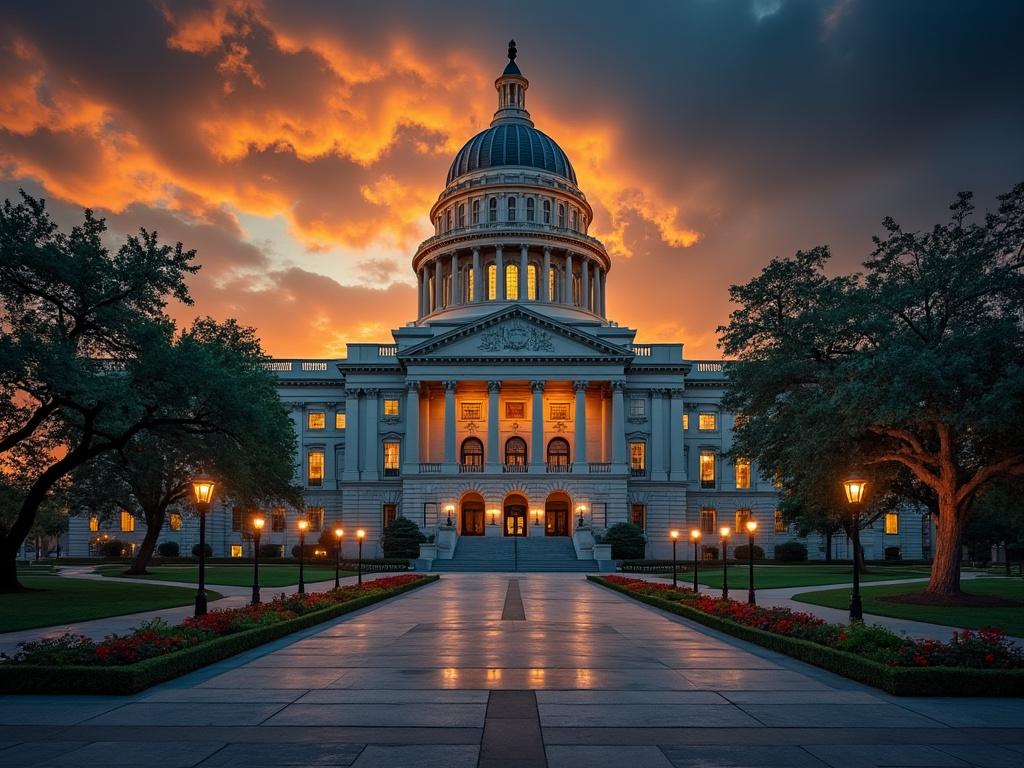
In a bold political maneuver, Texas Democrats fled the state to prevent a quorum, aiming to stall Republican-led redistricting efforts. This controversial move has ignited a fierce debate about democratic processes, legislative authority, and the civil rights of citizens.
The Exodus and Its Motivations
In 2021, Texas Democrats orchestrated a departure from the state legislature in an unprecedented protest against a Republican-led redistricting plan. They perceived this plan as a direct attack on minority voting rights, particularly disenfranchising Black and Hispanic communities. By leaving, they aimed to deny the quorum needed for the legislature to legally pass any legislation, thereby stalling the approval of what they deemed a gerrymandered map. This wasn’t a spur-of-the-moment action but a calculated move inspired by historical precedents, notably the 2003 walkout over similar issues. Their exodus underscored a deeper strategic goal: to spotlight these issues nationally and pressure Congress to pass federal voting rights protections. They faced serious repercussions including threats of arrest and hefty fines, yet their resolve was clear: protect democratic values at any cost.
Legal Implications and Reactions
In the thick of the Texas Democrats’ dramatic exodus, the legal boundaries and consequences of their actions come under intense scrutiny. Under Texas law, the legislature holds the authority to compel attendance through various enforcement mechanisms, which includes the possibility of arrest to ensure a quorum. This power sparked heated debates about the legality and the democratic implications of coercing lawmakers to attend sessions against their will.
Statements made by figures such as Attorney General Ken Paxton and Governor Greg Abbott have underscored this tension. They have not only affirmed the legality of such measures but have also actively advocated for fines and other penalties to dissuade similar future occurrences. Paxton articulated this stance clearly, positing that the use of enforcement powers was a necessary action to uphold the legislative process, while Governor Abbott stressed the importance of accountability in legislative duties.
These threats of legal repercussions posed a significant ethical and legal quandary for the absconding Democrats. Many, including notable figures within the group, publicly declared their willingness to face these consequences as a necessary sacrifice to protect broader democratic values and prevent what they viewed as detrimental redistricting plans. Their defiance has not only legal implications but also amplifies the debate on the balance between legislative authority and individual political rights within a democracy.
Political Repercussions and National Impact
The bold move by Texas Democrats not only reverberated through the state’s corridors of power but also captured national attention, emphasizing the contentious battle over redistricting as a microcosm of America’s larger struggle with democratic integrity. As public opinion polls began reflecting a divided nation, other state legislatures took note, with some considering similar tactics against perceived overreaches. The standoff, by spotlighting the tension between state mandates and federal oversight in voting rights, has prompted a necessary discourse on gerrymandering and its ramifications for fair representation. This heightened awareness could influence future elections, potentially reshaping not just local but national policy making, leading to more rigorous debates about the balance of power within states and the voting rights of every American. This unfolding scenario set the stage for figures such as Representative Ramon Romero Jr., whose personal stakes and vocal opposition encapsulated the emotional and ideological investment of many in this defining democratic dilemma.
The Role of Representative Ramon Romero Jr.
In the heart of the Texas redistricting battle, Representative Ramon Romero Jr. stood out for his resolute stance, illustrating the depth of commitment among Texas Democrats. Facing potential arrest and substantial fines for leaving the state to break quorum and thus stall the Republican-led redistricting bill, Romero emphatically stated, “I’ll pay that price for America.” His declaration not only underscored his personal resolve but vividly highlighted the perceived threat to democratic values inherent in the redistricting controversy. For Romero, the risk of legal penalties paled in comparison to the overarching implications for electoral fairness and representation. His actions, emblematic of the broader Democratic effort, drew national attention, intensifying the discourse on democracy’s vulnerabilities in contemporary American politics. As tensions mounted, Romero’s readiness to confront consequential legal battles symbolized a critical juncture for legislative opposition in Texas, setting the stage for future strategic confrontations in the ensuing legislative sessions.
Future Prospects and Legislative Strategies
As the standoff in Texas over redistricting continues, the path forward teeters on a knife-edge. The decision by Democrats to flee the state not only halted immediate proceedings but brought to light potential consequences they might face—ranging from arrest upon their return to fines intended as deterrents. Their ultimate gamble is whether these sacrifices will sway public opinion enough to secure more equitable legislative maps, or if it will embolden their opponents. The Republicans, on the other hand, may adjust their strategies, possibly softening their stance to avoid further political polarization or, conversely, pushing harder to pass their proposed bills by framing the walkout as a dereliction of democratic duty. Both scenarios hinge on intense negotiations, with a need for nuanced constitutional debate centering on the balance of power and states’ rights. The implications stretch far beyond Texas, serving as a precedent for how deeply partisan politics can influence democratic processes.
Conclusions
The Texas Democrats’ flight is more than a political strategy; it’s a significant commentary on the state of democracy in America. As each side escalates their tactics, the outcome of this standoff could redefine the balance between majority rule and minority rights, with national implications for electoral fairness.