
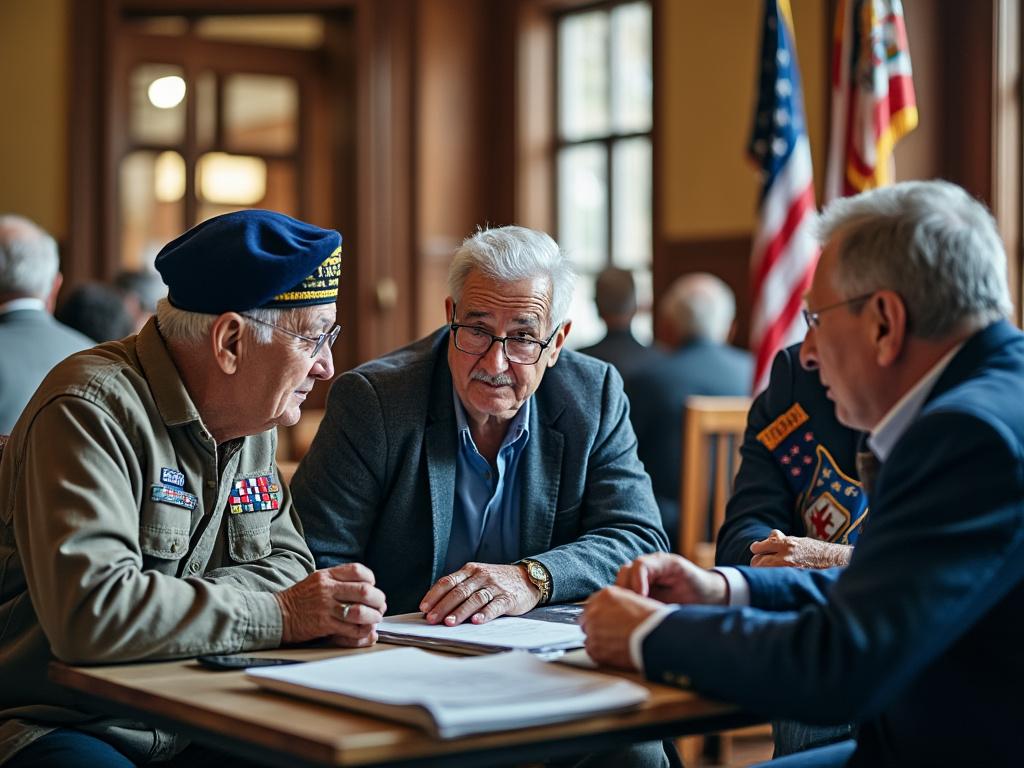
The Veterans of Foreign Wars (VFW), once a powerful political advocate for U.S. veterans, is redefining its role amidst shifting demographics and evolving veteran needs. This article explores how the VFW’s influence has changed and its strategies to remain relevant in modern America.
Historical Influence and Political Clout
The Veterans of Foreign Wars (VFW) established itself as a pivotal force in American politics, particularly from its formal inception in 1914 through the mid-20th century. Initially created to advocate for veterans’ rights and benefits, the VFW soon wielded considerable influence within the national legislative landscape. Its advocacy was instrumental in the enactment of the GI Bill in 1944, a monumental piece of legislation that provided education and housing benefits to millions of World War II veterans, fundamentally transforming the U.S. socio-economic fabric. The VFW also championed the construction of national memorials that honor the sacrifices of U.S. military personnel, thus cementing its role in shaping public opinion and national policy. Through strategic lobbying and public campaigns, it not only secured veterans’ benefits but also influenced broader defense policies, asserting a veteran-centered perspective in national discourse.
Shrinking Base and Diminishing Influence
With the aging and natural decline of the World War II and Korea war veterans, the Veterans of Foreign Wars (VFW) faces a significant decrease in its traditional membership base. Indeed, these once booming cohorts have not been replenished by younger veterans from more recent conflicts like those in Iraq and Afghanistan. This shift presents unique challenges, not least because younger veterans have different cultural and generational needs and perspectives which makes recruitment difficult. These shifts result in not only reduced numbers but also a generational divide within the ranks that complicates community and solidarity. Bridging this gap is essential; however, efforts to attract younger members often clash with established traditions and norms within the organization, highlighting a resistance to organizational and cultural change that might otherwise invigorate the VFW’s membership.
Realigning Strategies for Modern Challenges
To navigate the demographic and cultural shifts detailed earlier, the Veterans of Foreign Wars (VFW) has embarked on a strategic realignment to directly address the evolving needs of modern veterans. This pivot emphasizes the inclusion of issues such as mental health care, chronic disease management related to post-9/11 service, and the enhancement of GI Bill benefits, reflecting a shift from traditional advocacy to urgent health-centric and educational priorities. Moreover, the VFW has significantly expanded its digital footprint, initiating online forums, virtual meet-ups, and social media campaigns targeted towards younger veterans. These efforts are coupled with creating broader coalitions that not only appeal to veterans but also intersect with broader civic movements, thereby positioning the VFW not just as a veterans’ organization but as a civic leader. This strategic transition serves as a bridge to more comprehensive political and social engagement, keeping the VFW relevant in contemporary advocacy arenas.
Current Political and Social Engagement
The Veterans of Foreign Wars (VFW) has intensified its advocacy efforts to adeptly bridge the gap between traditional advocacy and modern legislative needs. With a revitalized strategy, the organization actively engages with policymakers at both state and federal levels to push for comprehensive veteran policies. Their current strategy involves a more agile and proactive approach in political forums, leveraging their established credibility to influence pending legislation and public perceptions.
Engagement has extended into collaborations with other advocacy groups to strengthen their legislative influence. This united front has become crucial as they tackle a broad array of issues, from improving Veterans Affairs healthcare systems to securing better employment opportunities for veterans. By promoting dialogues that resonate across political divides, the VFW positions itself not just at the table, but as a key player advocating for transformative change in the veterans’ landscape amidst a climate of increased polarization.
The Future of VFW and American Veteran Advocacy
As the VFW strives to revitalize its role, it confronts a rapidly evolving social landscape that requires not just a seat at the table, but a transformative influence on it. Increasingly diverse veteran needs demand that the VFW undergo significant changes, challenging its traditional advocacy methods. Moving forward, the VFW must adopt a more inclusive approach, recognizing the nuanced experiences of younger veterans and those from marginalized communities. By spearheading progressive policies that address mental health, reintegration challenges, and economic inequalities, the VFW can shape an advocacy paradigm that resonates broadly across its membership. This strategic shift promises to enhance the VFW’s relevancy and effectiveness, empowering it to advocate not only for veteran-specific issues but also for those that impact the wider community, thereby fostering a more integrated approach to veteran support in American society.
Conclusions
The VFW’s journey from a leading voice in veteran advocacy to an organization striving to redefine itself reflects broader changes in American society and military service. Adapting to demographic and cultural shifts, the VFW is poised to remain a significant, though evolving, force in promoting veterans’ interests and national policy.