
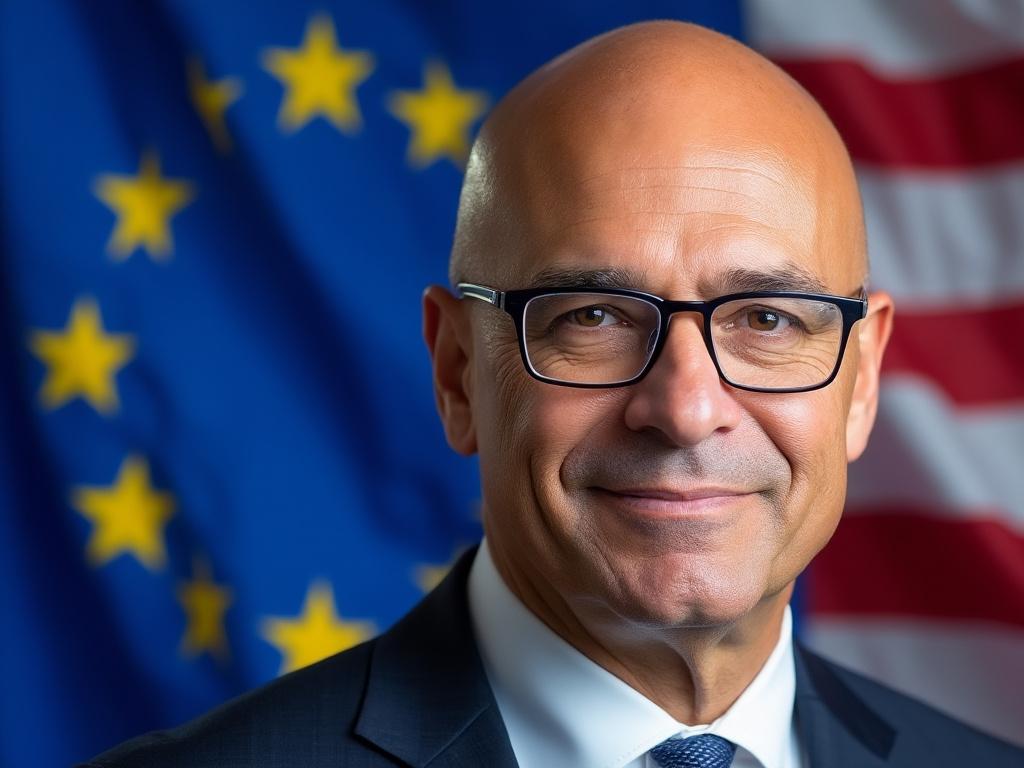
On a complex and contentious day of August 2, 2025, Andrew Puzder was confirmed as the U.S. Ambassador to the European Union. This article explores the significant events leading to his confirmation, delving into his background and the broader implications of his new role.
The Confirmation Vote
Andrew Puzder’s confirmation as the U.S. Ambassador to the EU by the Senate marked a notable close call, passing by a slender margin. Key votes came from Senators across party lines, with Republicans generally supportive, bolstered by pivotal Democratic senators, including Maggie Hassan and Jeanne Shaheen, who broke ranks in a demonstration of bipartisan support. This unpredictable split underscored the contentious nature of Puzder’s nomination. Equally critical was Republican Senator Lisa Murkowski, who, despite initial reservations, voted in favor, tipping the balance for Puzder’s narrow confirmation. This decision highlighted the intricate interplay of individual assessments over party allegiance, setting a precedent for future nominations of such a polarizing nature.
Puzder’s Background
Andrew Puzder’s ascent in the business realm began as a trial lawyer, initially wielding his legal expertise before stepping into the corporate sphere. His trajectory shifted significantly when he took the helm at CKE Restaurants, which oversees Carl’s Jr. and Hardee’s. Under his leadership, the company experienced substantial growth, emphasizing a business-friendly approach marked by aggressive expansion and branding strategies. His foray into politics included hefty donations to conservative causes and significant backing of Republican candidates, aligning closely with his business ideals. Puzder’s 2017 withdrawal from consideration as Labor Secretary under President Trump—due to controversies over his employment of an undocumented housekeeper and his opposition to broader labor rights like minimum wage increases—echoed in his later nomination. Despite these setbacks, he remained a potent figure in conservative circles, leveraging his corporate successes and political engagements to reshape his public image aimed at international diplomacy with his EU nomination.
Nomination Controversies
During Andrew Puzder’s nomination as U.S. Ambassador to the EU, controversies from his past resurfaced, notably allegations of workplace discrimination and domestic violence. These allegations initially emerged during his 2017 nomination for U.S. Labor Secretary, which he subsequently withdrew from. The accusations were centered around claims of sexual harassment and worker abuse within his fast-food chains, along with an old allegation of domestic violence by his ex-wife, who later recanted her statements. Public and political reactions were sharply divided. Critics argued that his history could undermine his credibility and effectiveness in dealing with European counterparts, emphasizing that ethical integrity is crucial for diplomatic roles. Nevertheless, supporters dismissed these concerns, citing his business acumen as vital for reinforcing trade and economic links with the EU.
Diplomatic Significance
The role of U.S. Ambassador to the EU is pivotal in shaping American foreign policy, particularly concerning trade, defense, and regulations. Andrew Puzder’s professional background, heavily influenced by his tenure in the private sector, particularly in franchising and labor relations, could offer a unique perspective in trade negotiations, likely favoring deregulation and liberal market ideologies. His history, combined with his political alignment, suggests a probable focus on initiatives that prioritize economic growth and competitiveness. Puzder’s approach could reshape long-standing transatlantic relations, emphasizing a stark contrast to previous diplomatic endeavors which perhaps leaned more towards comprehensive regulatory frameworks. Moreover, his stance and policies might echo broader themes from his party, emphasizing defense spending and a recalibration of U.S.-EU defense commitments amidst evolving global security challenges.
Broader Context
Andrew Puzder’s confirmation as U.S. Ambassador to the EU during Trump’s second term occurred amidst a series of notable diplomatic appointments in late summer 2025, reflecting a broader strategic reshaping of U.S. foreign relations. These nominations, often characterized by their blend of business acumen and political loyalty, sparked debates regarding the qualifications deemed necessary for such pivotal roles. Critics argue that the selection criteria have become overly politicized, potentially compromising the depth and impartiality traditionally expected in diplomatic positions. This controversy highlights a significant shift in the administration’s approach to international diplomacy, increasingly favoring business-oriented perspectives which may significantly influence forthcoming economic policies and international negotiations.
Conclusions
Andrew Puzder’s confirmation as U.S. Ambassador to the EU represents a significant juncture in U.S.-EU relations. His complex background and the controversies around his appointment will play a crucial role in shaping future diplomatic efforts under the Trump administration’s policy directions.