
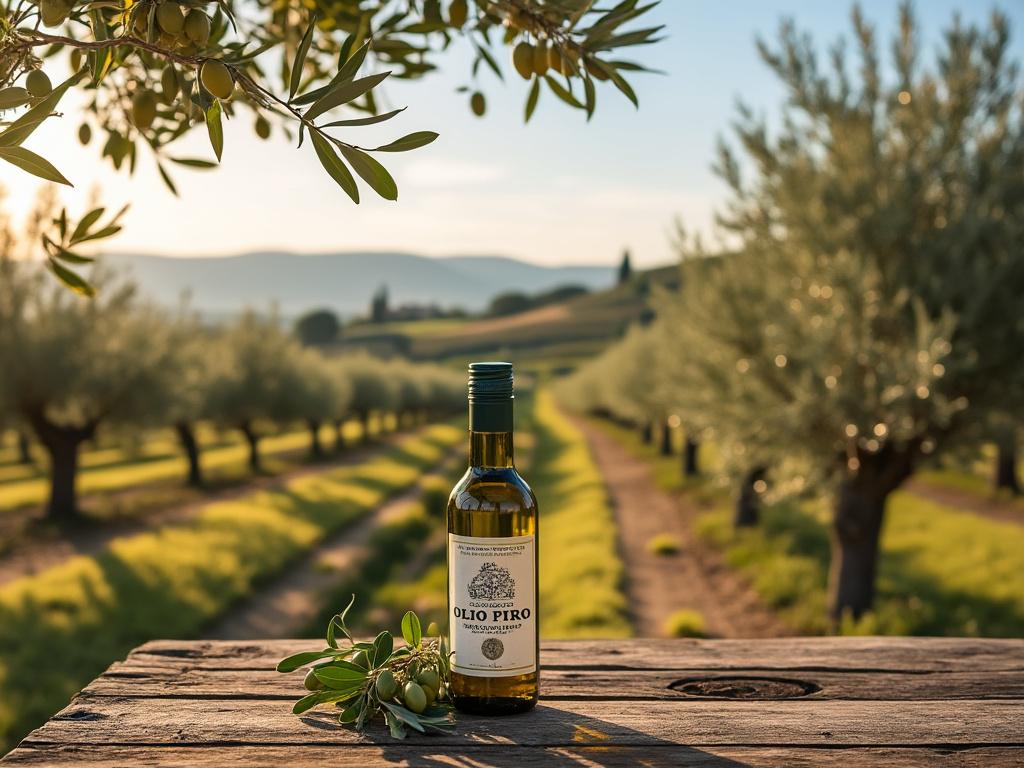
This article delves into the fascinating journey of Olio Piro, a Tuscan olive oil producer that faced significant challenges when the Trump administration imposed new tariffs on European goods, shedding light on the broader effects of global trade policies on food imports.
The Genesis of Olio Piro
When the Trump administration imposed a series of import tariffs targeting European goods in late 2019, Olio Piro faced an unexpected challenge. Originally unscathed by the initial rounds of tariffs mainly aimed at industrial products, the sudden expansion to food items, including olive oil, meant that Olio Piro’s entire business model was jeopardized. The 25% tariff imposed specifically hit the heart of their U.S. operations, significantly inflating costs and threatening their competitive pricing strategy. Olio Piro, reliant almost entirely on the U.S. market for its revenue, found itself at a critical juncture. The tariffs effectively derailing their previously unchallenged penetration into American households. The timing of these tariffs, coming at a peak period of the company’s growth trajectory, posed a severe threat to their sustainability in the market and forced the Piros to reassess their strategic approach to international trade.
American Market Penetration and Success
With a solid foothold in the narrative of sustainable and carefully sourced produce, Olio Piro captured the essence of Tuscan heritage in each bottle. By emphasizing the unique taste profile and health benefits of their olive oil, which stood out due to meticulous cold extraction techniques, the Piros effectively appealed to the gourmet preferences and health-conscious tendencies of American clientele. Marketing efforts cleverly leveraged storytelling about the oil’s origins, intertwining consumer experience with a sense of luxury and exclusivity. This approach not only established Olio Piro as a premium brand in the U.S. but also ensured that the entirety of their production was promptly sold out, generating a significant buzz in culinary circles and organic markets alike. As demand soared, Olio Piro prepared to scale operations, unaware of the impending tariff challenges on the horizon.
The Tariff Shockwave
The swift imposition of tariffs by the Trump administration cast a substantial shadow over Olio Piro’s burgeoning success in the U.S. market. Just as they had established themselves as a premium olive oil brand stateside, the new tariffs, which targeted a swath of European goods, unexpectedly burdened their business operations. The financial impact was immediate: increased costs meant their products were now significantly more expensive for American consumers, jeopardizing their price competitiveness. This sudden shift required Olio Piro to critically assess and swiftly modify their operational strategies to sustain their market presence amidst growing financial pressures. The company found itself grappling with the need to absorb some of the cost increases or pass them onto consumers, a decision fraught with risk to brand loyalty and market share.
Adjusting Strategies in Turbulent Times
The imposition of tariffs necessitated a swift and strategic realignment of Olio Piro’s business model. In response, the company looked to diversify their market focus, shifting away from an over-reliance on the U.S. They identified emerging markets in Asia and Latin America, where a growing middle class showed an increased appetite for premium European goods. Concurrently, to mitigate risks of further geopolitical disruptions, Olio Piro revamped their distribution strategies. They embraced digital platforms for direct sales and partnered with local distributors knowledgeable in navigating complex trade landscapes. This strategic pivot not only aimed to cushion the impact of the U.S. tariffs but also to secure a sustainable competitive edge in a volatile global market.
The Broader Impact of Trade Policies on Food Imports
The imposition of U.S. tariffs on European olive oil not only impacted specific companies like Olio Piro but reverberated throughout the American food industry. Consumers faced heightened prices, pushing some to seek alternative products or forego high-quality olive oil altogether. Retailers and distributors, meanwhile, scrambled to readjust their supply chains, increasingly sourcing from non-tariffed countries or investing in domestic oil production. This adjustment period intensified the focus on local sourcing but also exposed vulnerabilities in the U.S.’s reliance on imported specialty foods. As global trade policies continue to oscillate, these shifts underscore a dynamic adaptation within the food importation landscape, reflecting both resilience and susceptibility to international policy changes.
Conclusions
The journey of Olio Piro serves as a poignant case study of resilience and adaptation in the face of international trade upheavals. As they navigated the challenges posed by new tariffs, they highlighted the delicate interplay between local businesses and global politics, underscoring the ongoing need for agility in the global food market.