
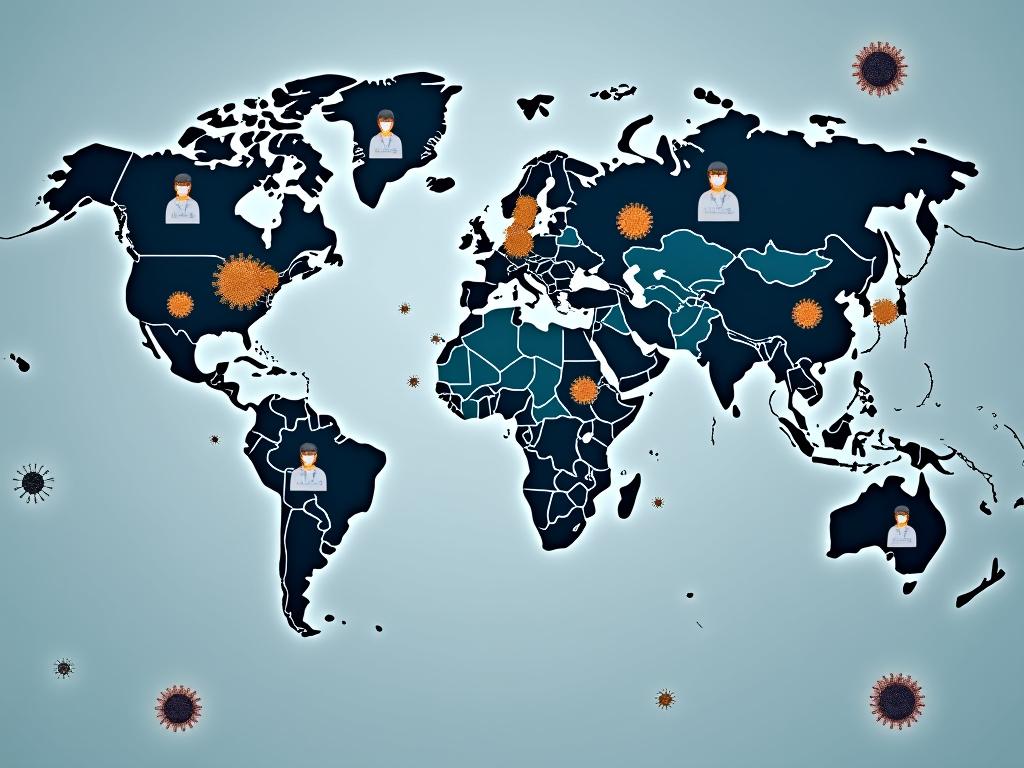
As the calendar marked the summer of 2025, the world once again faced a significant rise in COVID-19 infections. This upsurge, characterized by new viral variants and affected by societal behaviors, highlights the ongoing challenges in managing the pandemic. This article explores the multifaceted nature of the recent spike and its implications globally.
The Global Scenario
In the summer of 2025, COVID-19 infections manifested significantly across various regions, with a noticeable prevalence in densely populated urban areas in South America and South East Asia. Data from the World Health Organization indicated a remarkable spike in test positivity rates in these locales, often surpassing 20%. Contrasting with earlier years, North America and Europe, previously hotspots, observed lower infection rates due to improved vaccination coverages and public health policies. This shift underscores a complex interaction of public health readiness, population density, and virus mutation dynamics.
Drivers of the Summer Surge
In summer 2025, several regions experienced notably heightened COVID-19 infection rates, driven by a complex interplay of factors. Urban areas and tourist hotspots bore the brunt, struggling with increased social interactions in enclosed spaces due to unbearable heatwaves. Particularly hard-hit were cities in southern Asia and parts of the southeastern United States, where air conditioning led to prolonged indoor activities. In Europe, countries like Spain and Italy, where traditional social gatherings resumed in full swing, saw significant spikes. Concurrently, lower vaccination rates in some of these regions, coupled with the emergence of new, more infectious variants, compounded the challenges. This seasonal surge demanded an immediate response, straining local healthcare resources and highlighting the urgency for global health preparedness and greater resource allocation.
Impact on Healthcare Systems
The summer 2025 COVID-19 spike has significantly strained global healthcare systems, particularly exacerbating challenges in regions with limited resources. In high-risk areas, hospitals reported a surge in hospitalization rates, often reaching full capacity, which forced healthcare facilities to prioritize patients critically suffering from COVID-19 over those with less urgent medical conditions. This has led to a delayed treatment for non-COVID patients and a ripple effect increasing mortality rates for other diseases.
Contrastingly, well-resourced areas, while also facing increased hospitalizations, were better equipped to manage the influx with robust infrastructure and contingency plans. These regions deployed mobile health units and expanded telehealth services, somewhat alleviating the pressure on physical facilities. However, even these areas were not immune to the stress on healthcare workers and the broader system, highlighting a global need for sustained investment in healthcare infrastructure and workforce resilience.
Public Health Responses and Measures
In response to the summer 2025 COVID-19 surge, countries worldwide implemented diverse public health strategies. Accelerated vaccination campaigns were paramount, with a focus on updated vaccines targeting the prevalent strain. Public health advisories intensified, promoting preventive norms, especially in regions with low vaccination rates. Locally, mitigation measures like mask mandates and temporary closures of crowded venues were tactically reintroduced. Innovatively, several countries deployed mobile health units to increase healthcare accessibility, significantly curbing virus transmission in vulnerable communities. Despite these efforts, the effectiveness varied largely based on local compliance and the preliminary state of healthcare infrastructure.
Looking Ahead: Preparations for Future Surges
In Summer 2025, the resurgence of COVID-19 predominantly affected densely populated urban areas, which saw higher transmission rates due to increased social interactions and mobility. Countries with less robust healthcare infrastructures, particularly in some regions of South America and Africa, struggled disproportionately, as they faced challenges in healthcare delivery and lacked access to updated vaccinations. Meanwhile, regions that had previously experienced lower rates of infection during the pandemic such as certain areas in Southeast Asia reported significant upticks, attributable to delayed vaccine rollouts and public health fatigue. This scenario underscored the relentless nature of the virus and showcased the critical need for sustained vigilance and adaptation in global health responses.
Conclusions
The summer of 2025 has underscored the persistent threat posed by COVID-19, with a global surge driven by multiple factors. Despite improved clinical outcomes compared to the pandemic’s onset, the continued evolution of the virus and shifts in public behavior demand ongoing vigilance and adaptation in public health strategies.