
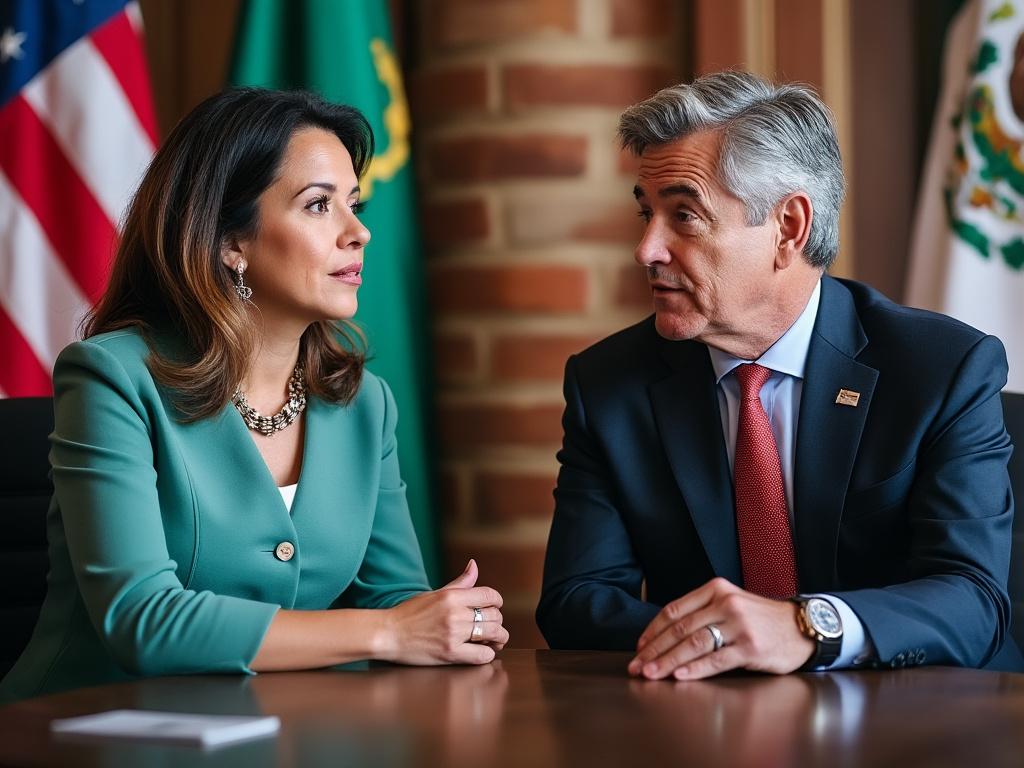
Amid escalating trade tensions and looming tariffs, Nebraska Congressman Don Bacon’s diplomatic visit to Mexico marks a critical juncture in U.S.-Mexico relations. This article delves into the nuances of their discussions and the broader implications for both nations.
The Precipice of Economic Strain
As the impeding tariff deadline loomed, Congressman Don Bacon’s diplomatic venture to Mexico represented a critical effort to mitigate economic repercussions. Nebraska’s agricultural sector, heavily reliant on exports to Mexico, stood to face severe losses. Addressing economic interdependencies, Bacon emphasized the mutual benefits derived from uninterrupted trade. His dialogue with President Sheinbaum aimed to underscore the substantial risks associated with tariff imposition, highlighting a potential decline in competitive advantage for U.S. products and a disruption in supply chains critical to both nations’ economies.
A Bipartisan Mission for Trade Stability
The bipartisan delegation led by Congressman Don Bacon featured members from both sides of the aisle, illustrating a collective commitment to averting a trade crisis with Mexico. Notably, Congressman Ro Khanna, like Bacon, serves on the House Armed Services Committee, which enhances the delegation’s perspective on the interconnected nature of economic and security matters. Both lawmakers brought to the table a heightened awareness of how U.S.-Mexico trade policies could inadvertently impact national security. Their approach, grounded in their military and defense policy experience, focused on striking a balance between economic interests and security imperatives. This meeting wasn’t just about averting tariffs but ensuring the long-term stability of U.S.-Mexico relations in a way that supports both nations’ security agendas. Their roles facilitated a more nuanced discussion which recognized that economic measures like tariffs could have broader implications than they seem on the surface.
Key Discussion Points in Mexico City
During the concise meeting with President Sheinbaum, the pressing issue of immigration reform was addressed with urgency. Emphasizing the need for a collaborative approach, discussions centered around strengthening border security while balancing humanitarian concerns. Security challenges were also pivotal, with an emphasis on joint operations to curtail drug trafficking that profoundly impacts both nations. Most critically, the dialogue sought innovative strategies to avert impending tariffs which threaten the robust economic ties and integral supply chains between Mexico and the U.S., focusing on maintaining stability in automotive and agricultural sectors that are vital for both economies.
Strategic Moves and Mexican Diplomacy
In a nuanced strategic dance, President Sheinbaum demonstrated adept diplomatic maneuvering in response to her U.S. counterparts. With adept recognition of the critical U.S. concerns over security and immigration, Mexico pledged heightened cooperation in these areas as pivotal levers to withhold proposed tariffs. These commitments echo the tenets of earlier bilateral engagements where Mexico showcased a proactive attitude by deploying national guard troops to mitigate undocumented migration, effectively averting an economic standoff. This agility in Mexican diplomacy, characterized by timely concessions, underscores a sophisticated understanding of economic interdependencies, balancing national interests with pragmatic concessions to sustain bilateral trade harmony.
Future Prospects and Economic Ramifications
Failing to secure a diplomatic resolution before the tariff deadline could severely strain U.S.-Mexico relations while destabilizing economic growth. Experts predict potential escalations in tariffs might lead to increased consumer prices on both sides of the border. Particularly, American industries relying on Mexican imports, such as automotive and agriculture, would face cost-driven dilemmas, potentially leading to job losses and a dip in market stability. Economic forecasts emphasize the critical nature of ongoing discussions, underscoring that continued dialogue and substantive negotiation are essential to mitigating long-term impacts on trade and economic health. Given these stakes, maintaining a cooperative approach is crucial for both nations’ financial well-being and geopolitical alliance.
Conclusions
Congressman Bacon’s visit represents a focused attempt to stabilize the delicate balance of U.S.-Mexico trade relations under the shadow of imminent tariffs. It underscores the importance of diplomatic dialogue in preserving economic interests and international cooperation amidst testing times.