
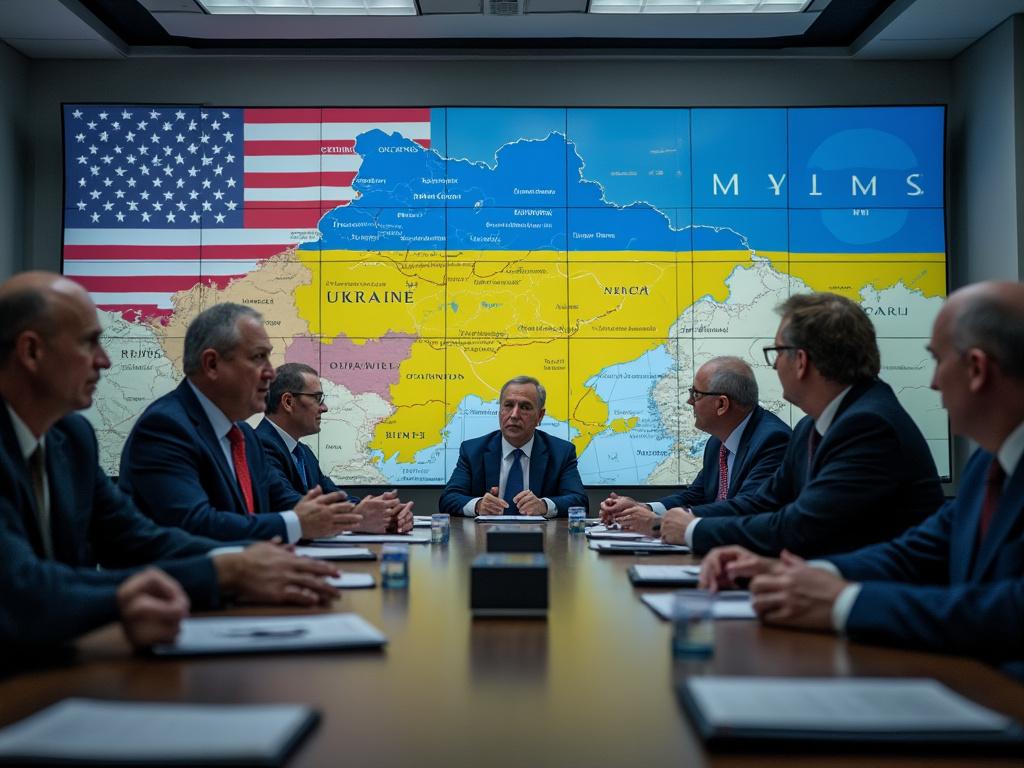
Amidst the ongoing conflict between Russia and Ukraine, a renewed critique of U.S. strategy under President Trump highlights the need for a robust approach to sway Russian President Vladimir Putin’s decisions. This article delves into why a more multifaceted strategy is not only possible but necessary.
Background Trump’s Recent Approach—Deadlines and Concessions
In 2025, President Trump’s pivot towards setting rigid deadlines linked with severe economic sanctions signals an aggressive recalibration in the U.S. policy towards Russia. Initially, a more conciliatory posture that entertained Russian demands morphed drastically into issuing stark ultimatums aimed at curtailing military operations in Ukraine. This high-stakes strategy, while bold, has the potential to yield unintended geopolitical consequences by escalating tensions rather than fostering diplomatic resolutions. It places immense faith in the leverage of economic disincentives against a backdrop where past precedents suggest Russia’s notable resilience and strategic patience in face of sanctions. This oscillation between diplomatic concessions and punitive restrictions reflects a profound uncertainty in achieving a stable detente, compelling a reevaluation of this dual approach to influence Putin’s strategic calculus effectively.
The Need for a Better Approach Lessons from Putin’s Behavior
Analysis reveals that incremental sanctions and alternating threats have had limited impact on Putin, who continues to benefit from Western hesitance. Historical patterns show Putin’s adeptness at using Western indecision to his advantage, typically consolidating power or advancing military agendas during periods of international reticence. To effectively alter his strategic calculations, a timeline-focused approach is required, setting clear, enforced deadlines for specific diplomacy and sanction escalations. This method would undercut Putin’s ability to plan long-term against piecemeal pressures, compelling him to reassess the sustainability of his military objectives in the face of predictable, escalating counteractions from the West.
A Better Strategy Military, Economic, and Psychological Pressure
A multi-dimensional strategy could significantly alter Putin’s strategic calculations towards Ukraine. By increasing military aid to Ukraine, the U.S. provides tangible support that enhances Ukrainian resistance capabilities, directly challenging Russia’s military advances. Collaboratively imposing stronger economic sanctions through NATO would target Russia’s economic vulnerabilities, amplifying financial pressures and potentially destabilizing internal support for the war. Furthermore, employing strategic psychological operations could erode Russian morale and sow doubt among Putin’s ranks and supporters. Together, these coordinated actions aim to tip the balance, making the continuation of aggression a less appealing option for Russia. This multifaceted pressure could force Putin to reconsider his military objectives and seek alternative solutions, potentially leading to de-escalation in the region.
Unified Message with Allies
In the realm of international politics, a unified stance amongst Western allies serves as a potent tool against adversaries. When confronting Putin’s actions in Ukraine, it is crucial that the U.S., alongside its NATO partners, projects a consistent and coordinated message across diplomatic, military, and economic domains. The efficacy of the previously discussed multifaceted strategy hinges on the solidarity displayed by these nations. A disjointed or piecemeal approach could weaken the impact of sanctions, military support, and psychological operations, thereby diluting their potential to sway Putin’s strategic calculations. Conversely, a robust unified front enhances the credibility of the threats posed by these measures, significantly influencing Putin’s perception of the international response, making it imperative that all communications and actions are meticulously synchronized to present an impenetrable united front. This unity not only strengthens individual measures but also sets a critical foundation for the negotiation parameters discussed in the subsequent chapter.
Clear Negotiation Parameters
Building on a unified message with allies, establishing clear negotiation parameters is pivotal. For Trump’s strategy to sway Putin’s actions in Ukraine effectively, it necessitates explicit consequences specifically tailored to Russia’s military behaviors. Definitive terms should outline that an escalation in aggression will correspondingly lead to heightened sanctions, international isolation, and potential military countermeasures. These terms must be unambiguous to prevent any misinterpretation or exploitation by the Kremlin, ensuring that increases in military hostility are met with immediate and substantial repercussive actions. This unyielding stance provides not merely a reactive measure but a profound deterrent, critical in foreclosing further escalation.
Conclusions
A smarter, comprehensive strategy towards Russia is critical for effective change. Concluding, this article proposes an escalated approach that progressively increases the costs for Russia, paired with diplomatic strategies that limit Putin’s strategic advantages, rather than isolated, reactionary measures.