
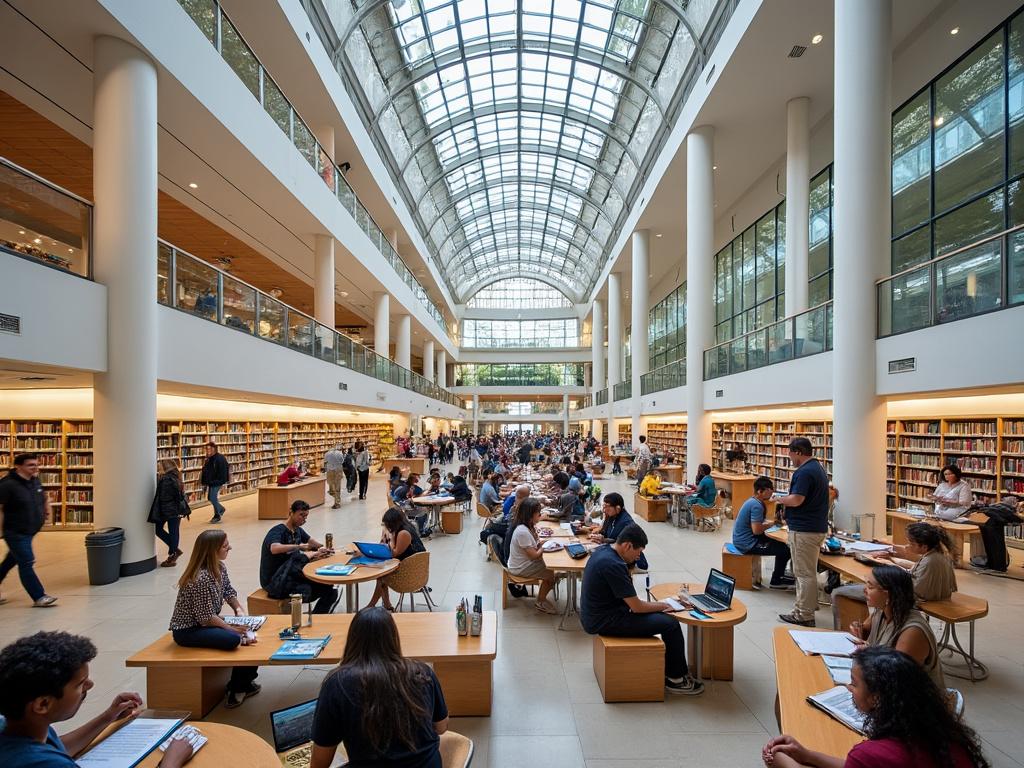
Despite significant investments in infrastructure, the DC Public Library system struggles to realize a vision of ‘abundance’ that aligns with the diverse needs of its entire population.
The New Face of DC Public Libraries
Despite the significant investment into modernizing the DC Public Library (DCPL) systems, a closer look reveals a persistent shortfall in achieving true ‘abundance.’ The redesigned libraries, shining in architectural accolades, potentially overshadow underlying service inequities. Branches like the Martin Luther King Jr. Memorial Library boast advanced technologies and accessible designs, yet the deployment of resources does not uniformly reach all communities. While physical visits and circulation numbers may suggest increased library use, this only partially captures the necessity for equitable access to diverse and quality programs and materials. The physical enhancement speaks volumes of intent, yet the voice of universal service somehow whispers, revealing a disparity between structural grandeur and the fulfillment of community-wide educational and informational needs.
Defining Abundance in Public Libraries
Defining Abundance in Public Libraries delves deeper than just the aesthetic and structural reinforcements seen in the recent revamps. True abundance in public libraries encompasses far-reaching accessibility and equitable distribution of resources, ensuring every community member reaps the benefits. This involves not only physical books and materials but also comprehensive digital access and dedicated programs aimed at historically underserved populations. For communities in Washington D.C., particularly in economically disadvantaged areas, the library’s role extends to being a pivotal access point for educational resources, technology, and community support services that foster long-term societal benefits. Moving towards this broader definition of abundance challenges the DC public library system to adapt and innovate in how services are tailored and delivered across different neighborhoods.
Persistent Gaps in Library Services
Despite ambitious renovations enhancing physical spaces within the DC Public Library (DCPL) system, persistent service gaps starkly contrast the vision of ‘abundance’ previously discussed. Neighborhood disparities are particularly evident—libraries in affluent areas boast modern facilities and diverse book collections, whereas counterparts in less affluent districts struggle with outdated materials and infrastructure. This imbalance extends into the digital realm; the digital divide remains wide as underfunded areas suffer from limited access to computers and high-speed internet, critical for today’s information and resource needs.
Moreover, programming and outreach efforts reveal further shortcomings. While some branches excel in offering varied and frequent programs, others, often in economically disadvantaged neighborhoods, offer few initiatives, leaving residents without valuable learning and cultural enrichment opportunities. These disparities not only reflect an inconsistent allocation of resources but also undermine the principle of equitable service, questioning the library’s role in fostering community cohesion and individual growth across the varied tapestry of Washington D.C.
The Impact of Staffing and Operational Decisions
The DC Public Library system is critically compromised due to staffing shortages that significantly impede its capacity to fulfill the community’s needs. Particularly, inadequate numbers of security, janitorial, and programming personnel distinctly affect operational hours, limiting the library’s accessibility during peak community demand times. Security staff shortages raise safety concerns, causing occasional unscheduled closures or reduced hours, while insufficient janitorial staff impacts the physical upkeep of the spaces, making them less welcoming. Furthermore, a lack of programming staff restricts the type and frequency of community engagement and educational events available—key components that drive frequent library use and reinforce its role as a community hub. These deficiencies directly contrast previous discussions of persistent service gaps and lead directly into considerations about transforming these challenges into opportunities by reimagining what an abundant library system can look like for Washington D.C.
Envisioning True Abundant Library Systems
Building on the significant impact of staffing and operational decisions, achieving true abundance in the DC public library system necessitates strategic enhancements focused on adaptability and inclusivity. Key to this evolution is fostering stronger community partnerships. These collaborations could range from local educational institutions to cultural organizations, enriching available resources and programming. Furthermore, the deployment of mobile library services can dramatically extend reach, particularly into underserved communities, ensuring that no resident is left without access to essential library services. This approach requires a sustained investment not only financially but also creatively, adapting library services to meet the diverse and changing needs of Washington D.C.’s population. By implementing such strategies, the DCPL can transform into a truly abundant resource, pivotal for community engagement and empowerment.
Conclusions
Though DCPL’s improvements in infrastructure are commendable, true abundance demands a deeper focus on equity, access, and community-oriented services to fulfill its potential.