
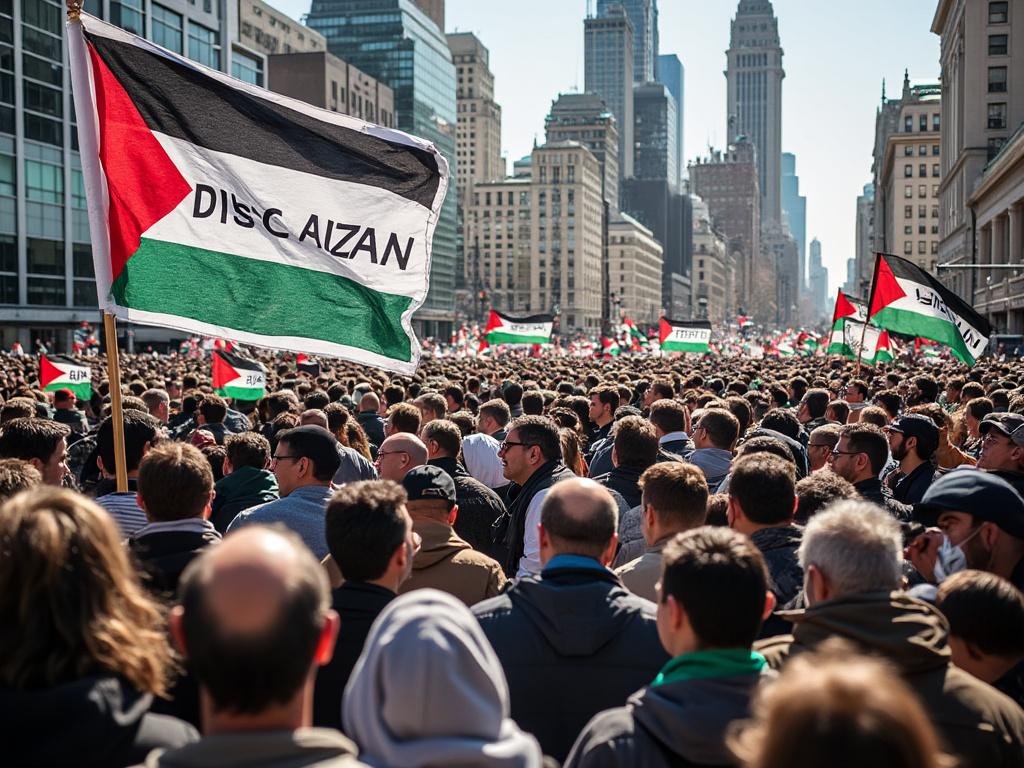
Recent shifts in tone among moderate Democrats regarding Israel have marked a significant departure from traditional stances. As prominent figures critique Israeli policies more openly, this article delves into the causes and potential consequences of these changes, especially in light of the ongoing humanitarian issues in Gaza.
The Changing Landscape of Democratic Support
Recent polling data, particularly from Gallup’s July 2025 survey, reflects a notable shift among moderate Democrats regarding Israel’s policies in Gaza and the West Bank. Approval numbers are dwindling, with only 45% of moderate Democrats expressing favorability towards Israel’s actions, down from 65% five years earlier. This trend suggests a broader realignment within the party, where traditional pro-Israel stances are increasingly scrutinized. Voter expectations are evolving as the Democratic base expresses stronger advocacy for human rights and a more balanced approach to the Israeli-Palestinian conflict. This shift is not isolated but rather reflects deeper changes in American politics, where foreign policy is becoming more intertwined with domestic values and ethical standards.
Voices of Dissent within the Party
Moderate Democrats like Senators Elissa Slotkin, Tim Kaine, and Chris Van Hollen are now prominently voicing their concerns on contentious Israeli policies. Reflecting a shift from their formerly cautious diplomatic stance, they have openly criticized the barriers to humanitarian aid in conflict zones and the escalations of violence in the West Bank. These expressions of disapproval not only reveal a growing unease with longstanding party policies but also suggest a critical reevaluation of U.S.-Israel relations. Such positions, articulated amid growing public sentiment for change, underscore the realignment of moderate political figures with an increasingly vocal base that demands fairness and accountability in international engagements.
Electoral Considerations and Policy Implications
The shift in the rhetoric of moderate Democrats like Senators Elissa Slotkin and Tim Kaine, emerging from their critiques of Israeli policies, reflects a nuanced electoral calculus aimed primarily at swing state constituents. Brookings’ analyses suggest that a growing segment of voters within these regions show increasing concern over foreign policy ethics, particularly regarding the Israeli-Palestinian conflict. This evolving public sentiment has prompted moderate Democrats to reposition, balancing traditional diplomatic ties with Israel against a more vocal advocacy for Palestinian rights. Their recalibrated positions could potentially galvanize younger, more progressive voters while retaining centrist appeal, indicating a strategic blend of moral positioning with electoral pragmatism. This shift heralds significant implications for future election cycles, where foreign policy stances may increasingly influence pivotal voter blocs. Moreover, these changes are likely to affect the legislative agenda, pushing for more stringent conditions on U.S. aid to Israel and demanding greater accountability in Israeli policies towards Palestinians. The potential polarization within the party on this issue, highlighted in subsequent discussions of internal divisions, underscores the complex interplay of global perspectives and local electoral dynamics shaping policy decisions.
The Divide within the Democratic Camp
In the Democratic Party, a noticeable rift has emerged, particularly around the stance on Israel. Central to this debate are figures like Senator John Fetterman, who represents a faction that still strongly supports traditional pro-Israel policies. Conversely, leaders like Bernie Sanders advocate a more nuanced approach, emphasizing human rights and the necessity for Israeli accountability regarding actions in Palestinian territories. This internal division not only highlights differing ideologies but also signals a strategic recalibration within the party, influenced by a younger, more diverse voter base that is increasingly sympathetic to the Palestinian cause. As these ideological tides shift, the pressure mounts on moderate Democrats to navigate these turbulent political waters without alienating key constituencies. This evolving discourse significantly shapes U.S. foreign policy debates and party coherence, serving as a barometer for broader geopolitical alignments and domestic political dynamics.
undefined
The nuanced shift in stance among moderate Democrats on Israel heralds significant geopolitical repercussions, particularly in the context of U.S. foreign policy. This recalibration, emphasizing human rights and international law, may influence U.S. diplomatic relations not only with Israel but across the Middle East. As support becomes more conditional, Israel’s international standing could become increasingly contingent on its policies towards Palestinians, potentially leading to broader regional diplomatic realignments. Domestically, these changes invite a polarization within party lines, challenging unified policy approaches. This evolving narrative risks exacerbating tensions in an already volatile region, as stakeholders adjust to new American postures. If trends persist, the U.S. may witness a partisan foreign policy environment, complicating cohesive strategies towards peace and stability in the Middle East.
Conclusions
Moderate Democrats are adjusting their stance on Israel, reflecting a broader transformation reflecting humanitarian concerns and voter sentiment. This evolving discourse, marked by open criticism and calls for conditional support, is reshaping U.S. foreign policy and stands as a potential turning point for the Israeli-Palestinian conflict in the lead up to future elections