
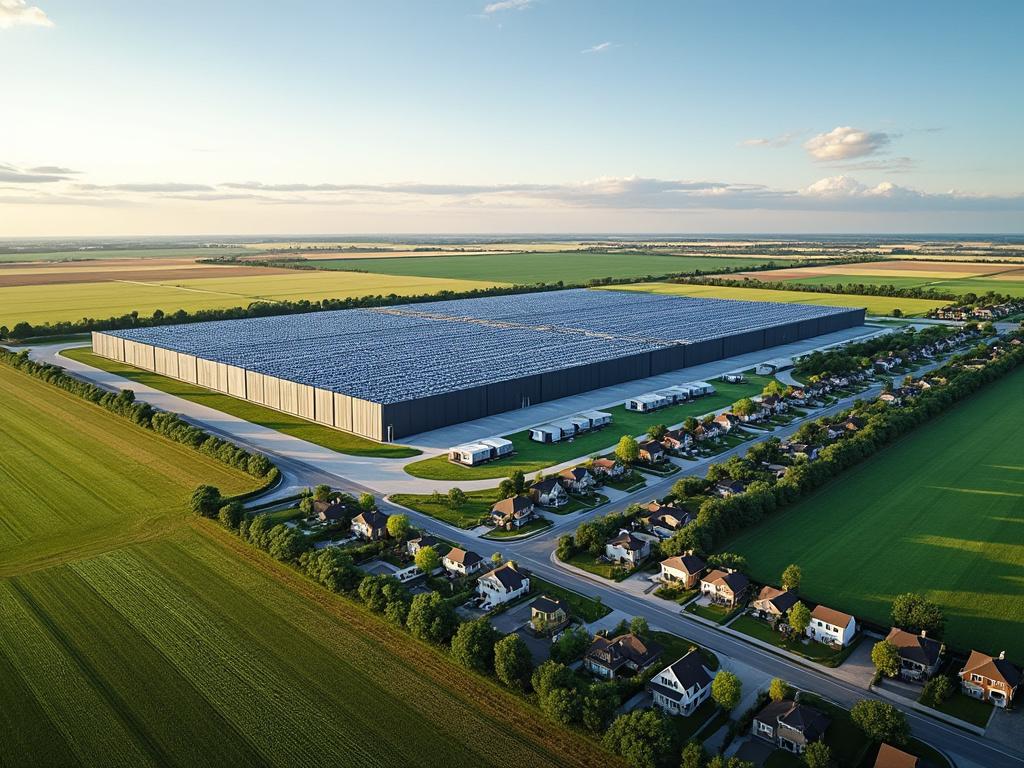
As AI-driven technology advances, the U.S. faces an unprecedented surge in data center power demand. This intense need for electricity is raising costs, stressing infrastructure, and sparking nationwide debates on future energy management.
AI Data Centers and Escalating Power Demands
The stark escalation in power demand instigated by burgeoning AI data centers has heightened concerns around the affordability and sustainability of electricity in the U.S. As these centers intensify their pull on the nation’s power grid, regional power infrastructures are pressured into upgrading or expanding—an undertaking that invariably contributes to rising electricity costs for businesses and consumers alike. Moreover, the uneven geographical distribution of power sources versus data center locations adds a layer of complexity, inducing potential voltage sags or instability in areas disproportionately burdened. These challenges necessitate profound strategical shifts in energy provisioning and consumption practices to preempt power scarcity and mitigate the steep incline in electricity expenses.
Cost Dynamics of Electricity in Data Operations
The surging operational costs due to escalating electricity demands are reshaping the economics of AI data centers. As IDC highlights, electricity now accounts for up to 60% of operational expenditures in these specialized facilities. The incessant growth in AI workloads necessitates more robust and power-intensive computing infrastructures, leading to a 44.7% annual increase in energy consumption. This spike in demand is not only elevating the operational expenses significantly but also contributing to higher electricity prices for both the industrial sectors and residential areas. The multiplying costs are compelling businesses to reconsider their data strategies, integrating energy-efficient technologies and site selection strategies that mitigate these financial burdens.
Consumer Impact Across Various Regions
In regions with high concentrations of data centers, electricity costs for everyday consumers are seeing noticeable increases. In the PJM Interconnection territory, which supplies electricity across 13 states, wholesale rates have risen by 22% due to data center energy demands. As a result, residents in areas like Northern Virginia and Columbus, Ohio, may see their electricity bills increase by up to 5% by 2026, illustrating the broader economic impact of data center energy consumption.
Environmental Concerns and Policy Challenges
Amid growing electricity consumption by AI data centers, there is a pronounced rise in environmental concerns. These centers, crucial for handling extensive computational tasks, are significant energy consumers, often reliant on non-renewable power sources. This scenario propels a surge in carbon emissions, conflicting directly with environmental objectives. Policymakers now face the tough task of integrating regulatory frameworks that embrace renewable energy paradigms, without hampering the momentum of technological innovation. Incentives for solar, wind, and other sustainable energy sources are becoming essential in policy discourse, aiming to match the pace of data-driven industries with environmentally sound practices. This delicate balance seeks to ensure that the push for technological advancement does not come at the cost of ecological integrity.
Infrastructure and Future Energy Strategies
The rapid escalation of energy costs due to the burgeoning number of AI data centers has sparked significant concerns, particularly regarding the sustainable financial impact on the U.S. electricity sector. Data centers require an enormous amount of power, consistently running high-capacity servers and cooling systems to manage heat production. This intensive energy requirement implies a steep rise in electricity demand, potentially driving up costs not only for the tech industry but also for average consumers. Moreover, as the national grid grapples with this increased load, there is a heightened risk of overdependence on non-renewable energy sources, which contradicts broader environmental goals. These fiscal and ecological pressures necessitate innovative strategies to manage costs while aligning with sustainable energy practices, urging a reevaluation of energy sourcing and efficiency in data center design and operation.
Conclusions
The expanding digital economy necessitates sweeping adjustments in how energy is consumed and managed. Without strategic intervention or innovation, the costs will burden not just data center operators but also consumers and businesses nationwide. The pivotal challenge will be to harmonize energy availability with the relentless demands of growing AI technologies.