
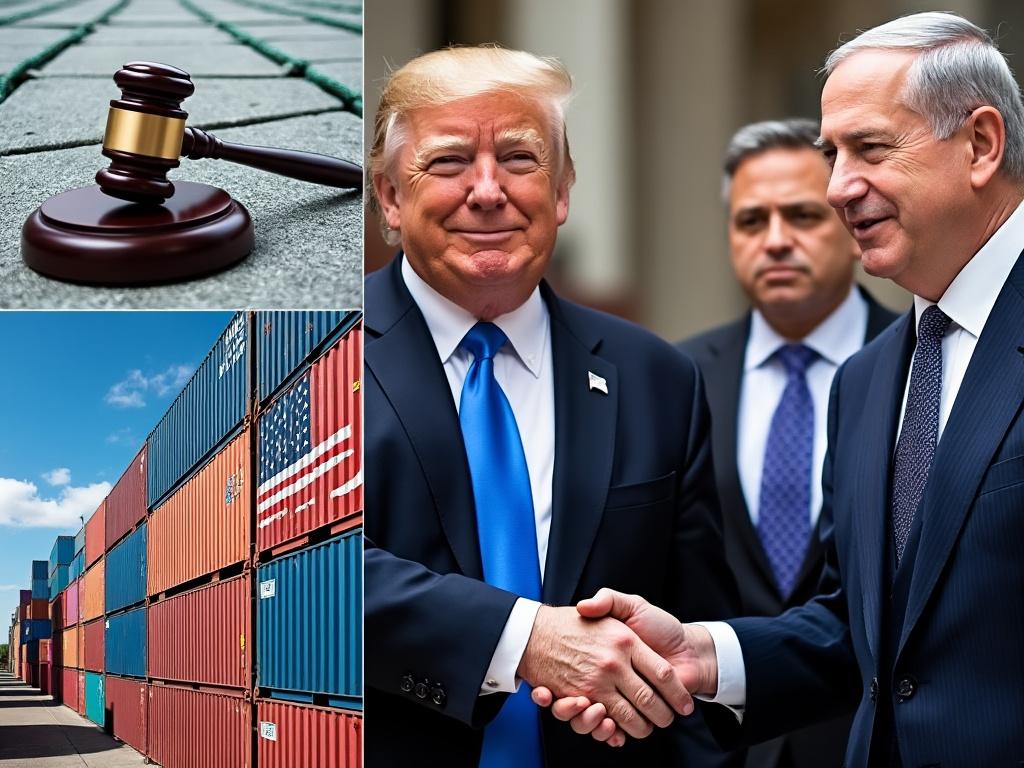
This past week in U.S. politics has been marked by significant developments, including unprecedented tariff measures, renewed focus on Jeffrey Epstein’s connections, and evolving U.S.-Israel relations. These events have sparked debates and could influence the forthcoming 2025 elections.
Tariffs New Measures, Shifting Alliances, and Global Impact
On July 30, 2025, President Trump announced a heavy tariff on copper-based products effective August 1, under a proclamation citing trade imbalances. This measure directly targets imports like copper wires and tubes with a 50% tariff increase. The decision aims to bolster U.S. copper industries and balance trade disparities, particularly with China. This bold economic move comes amidst finalized U.S.-China trade agreements which saw a reduction in long-standing reciprocal tariffs but raised concerns over potential foreign retaliation. The changes are likely to reconfigure global supply chains, impacting U.S. industries and consumers who now face the highest effective tariff rate since 1934, according to Yale’s Budget Lab.
Jeffrey Epstein’s Ex-Girlfriend, Trump Comments, and the Return of Scandal Politics
President Trump’s recent admissions regarding his previous association with Jeffrey Epstein have reignited interest in the notorious Epstein scandal. Trump’s statements about severing ties due to Epstein’s inappropriate behaviors illuminate broader themes about misconduct among the elite. This comes as Epstein’s ex-girlfriend faces continued legal scrutiny, which casts a stark light on the pervasive influence and impunity within high social echelons. These revelations intersect with narratives of privilege and accountability at a crucial juncture, influencing voter perceptions as they unfold amidst ongoing campaigns. Conversations around this issue are intensifying, potentially reshaping future political landscapes and policy discussions, as the public demands greater transparency and ethical conduct from its leaders.
US-Israel Relations Recent Developments
Ongoing Adjustments: The recalibration of U.S. foreign policy towards Israel mirrors efforts to strengthen diplomatic ties while considering regional complexities and Israel’s political landscape. Amidst growing geopolitical turbulence across the Middle East, the U.S. has subtly shifted its stance, attempting to foster a balanced dialogue with both Israeli and Palestinian leaders. These diplomatic maneuvers are critical in maintaining Israel as a pivotal ally yet ensuring that U.S. policies also resonate with broader regional stability goals. This nuanced diplomacy is emblematic of the challenges in managing robust bilateral relationships amidst internal political fluctuations within both countries.
Analyzing Tariff Impacts on International Trade and Domestic Markets
Following the recent imposition of tariffs, experts have started delving into the ramifications these decisions hold for international trade and domestic markets. Disruptions in supply chains emerge as immediate consequences, compelling businesses to reconsider their operational and pricing strategies in light of erratic cost structures. Moreover, the likelihood of trade retaliations looms, potentially exacerbating international relations. Domestically, increased costs are prompting shifts in consumer behavior and business planning. Amidst these challenges, certain industries are exploring alternative sources and strategies, seeking to diminish the financial strain imposed by the new tariffs. This reactive shift in the marketplace underscores a critical period of adaptation and strategy recalibration for the U.S. economy.
Political Repercussions and Future Directions
The recent fluctuation in tariffs has not only stirred the economic sector but also cast a long shadow over the political landscape, particularly with the upcoming 2025 U.S. elections in sight. This economic turbulence coincides with critical diplomatic maneuvers, notably in U.S.-Israel relations, and high-profile legal proceedings involving Epstein’s ex-girlfriend, which collectively inform public and political discourse. These intertwined developments compel a reevaluation of voter sentiment, as constituents increasingly scrutinize the government’s adeptness at balancing international diplomacy with domestic crises. Political analysts project that these issues could significantly alter the strategic priorities of future administrations, potentially ushering in shifts towards more nuanced trade policies and diplomatic engagements. The electorate’s perception of these actions could decisively shape the political arena, influencing both policy direction and party alignments in a profound and lasting manner.
Conclusions
The past week’s events have underscored the complexities and interdependencies in U.S. politics. From sudden tariff escalations to revived scandal narratives and shifting diplomatic stances, each development carries implications for both the national and international arenas as the 2025 elections approach.