
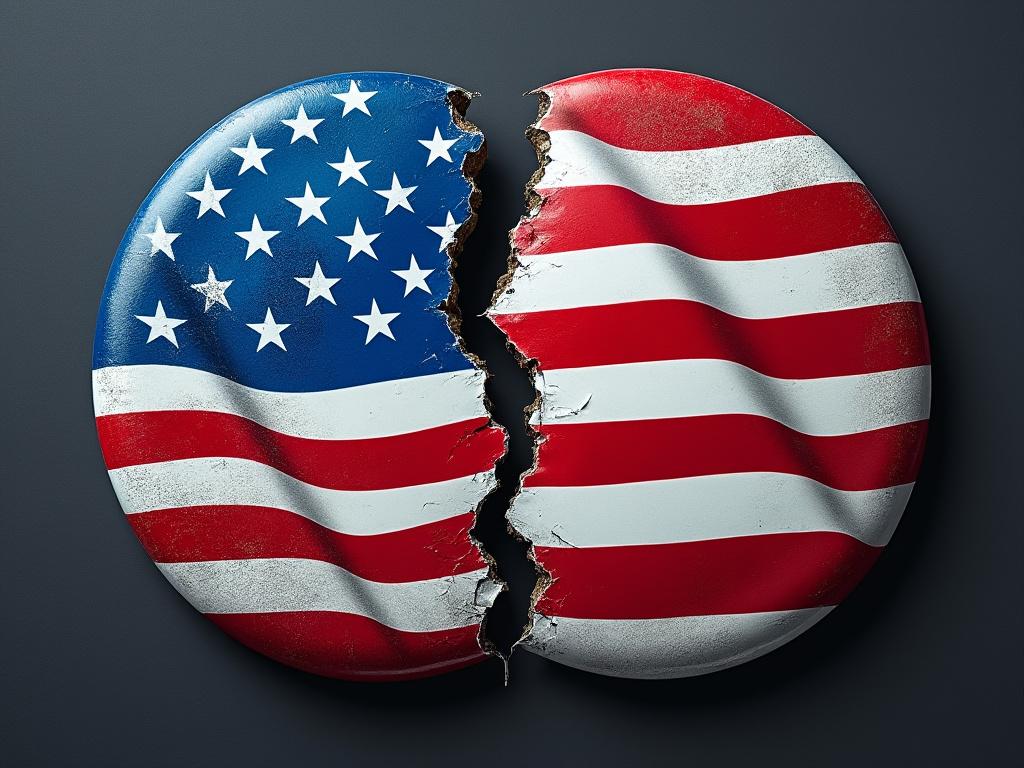
This article investigates the dangerous tendency in politics where parties may root for or exploit national crises like economic downturns, hoping these failures will enhance their electoral fortunes, thus undermining democracy and national integrity.
How Partisan Interests Collide With National Wellbeing
Public statements from political figures hinting at a preference for national setbacks to facilitate electoral victories reveal a troubling alignment of interests. When governance becomes secondary to winning elections, the ethical foundations of democracy are undermined. The unabashed admission by some leaders that economic downturns or social strife might bolster their party’s prospects in upcoming elections poses a stark ethical dilemma. It exemplifies a dangerous deviation from the principles of responsible governance and jeopardizes national unity. This rhetoric not only betrays a willingness to sacrifice the general welfare for partisan gains but also fractures the societal trust required for a functioning democracy. The repercussions are profound, not only corroding national solidarity but potentially stalling meaningful legislative progress that could improve lives across political divides. Such strategies reflect a short-sighted view of leadership, prioritizing immediate political victories over long-term national health.
The Dynamics of Polarization and Its Consequences
Escalating political polarization fosters a climate where parties and their supporters may celebrate instead of mitigate national failures if such downturns discredit their opponents. This trend depletes the quality of adversarial advocacy, which traditionally stimulated comprehensive debates leading to robust policy by confronting ideas to reveal superior solutions. Instead, extreme polarization incentivizes politicians to perpetuate divisiveness, undermining the effectiveness and genuine progress of political discourse. This approach diminishes trust in political entities, erodes democratic norms, and stokes continuous societal tension. Consequently, the public’s expectation for cooperative, solution-oriented governance dwindles, endangering the very stability of democratic frameworks. Such dynamics illustrate a dangerous shift from promoting national interest to prioritizing narrow partisan victories.
Systemic Incentives and the Failure of Political Competition
The structural mechanics of American politics frequently incentivize partisan divisions over national welfare, fundamentally obstructing effective governance. Gerrymandering stands out as a primary example, where electoral maps are manipulated to secure advantageous outcomes predominantly favoring incumbents or a particular party. This encourages legislative stagnation and extremism, as politicians cater to their base rather than the broader electorate. Similarly, primary systems contribute to this entrenchment; by prioritizing party loyalty over comprehensive solutions, they often sideline moderate voices in favor of those appealing to more radical elements.
Additionally, political financing plays a critical role. Due to the immense costs associated with campaigning, elected officials frequently find themselves indebted to their largest donors, prioritizing these interests over public service. This dependency diverts focus from solving substantive national issues to maintaining financial and electoral support, effectively looping back to the perpetuation of conflict over cooperation. In this landscape, division becomes a strategic tool rather than a regrettable byproduct, affecting the very foundation of policy-making and national unity.
The Social and Moral Costs
The long-term effects of a political atmosphere that repeatedly sacrifices national well-being for short-term electoral gain are deeply concerning. Central to these effects is the resultant erosion of public trust, undermining the very foundations upon which democratic societies are built. When leaders appear more interested in their own power than the welfare of the very constituents they serve, cynicism festers.
Hostility has escalated in public discourse, becoming a disturbing norm. Positions become entrenched, and compromise, once the cornerstone of political pragmatism, is now scorned and rejected. This division is not without consequence, potentially spiraling into a normalization of extreme and undemocratic tactics, extending even to political violence. Encouraged indirectly by party rhetoric that demonizes opposition, such acts are increasingly seen, tragically, as legitimate means of political contestation.
These shifts mark not just a strategic loss but a profound moral one. When the failure of a nation becomes beneficial for political leverage, the values binding its society are compromised, risking irreversible harm to the communal fabric.
A Way Forward: Reaffirming Shared Stakes and Values
To overcome the perils of partisan politics, party leaders must actively promote a bipartisan agenda, emphasizing policies that benefit the nation as a whole rather than their party’s interests. Grassroots movements should focus on educating the public about the importance of collective success, fostering a culture of shared values and accountability. The media plays a critical role here by reducing sensationalism and providing balanced coverage that highlights collaborative efforts over divisive tactics. A commitment to honest discourse, where leaders acknowledge shared goals and the real implications of national setbacks, will be vital. This approach not only restores public trust but also discourages the optimization of strategies that rely on national failures for electoral gain.
Conclusions
The tactic of exploiting national failures for political gain not only threatens democratic integrity but deepens societal divisions. A constructive path forward requires a collective reaffirmation of democratic values and commitment to the nation’s overall success, regardless of partisan positions.