
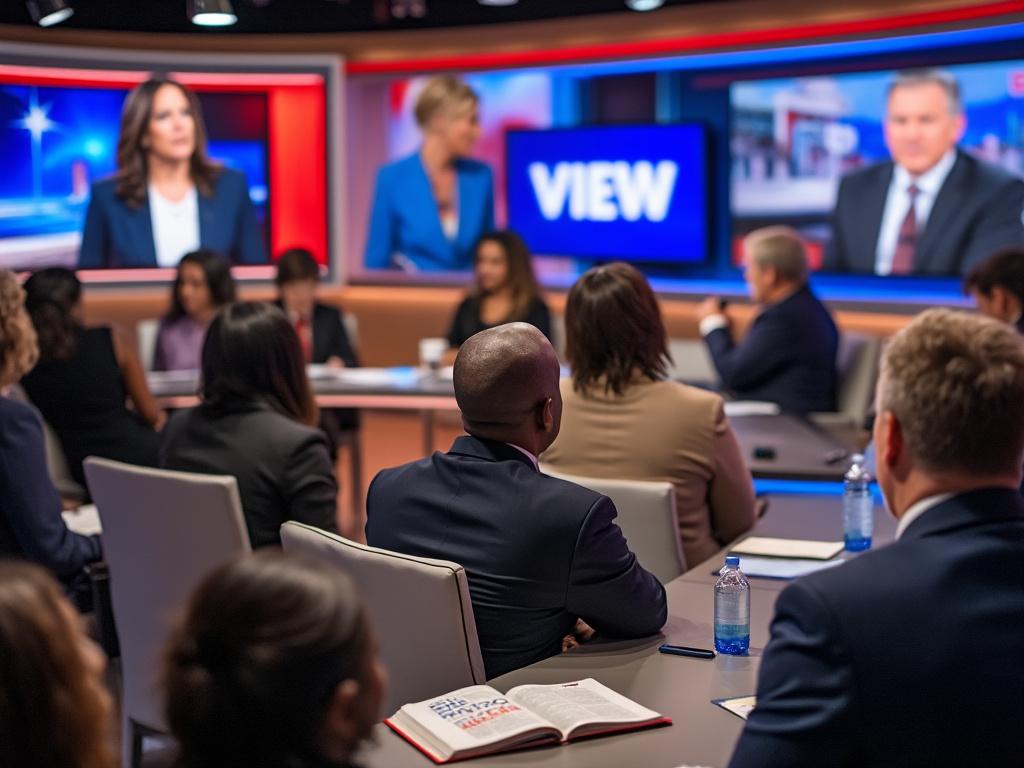
In the aftermath of the 2024 presidential election, Alyssa Farah Griffin, co-host of ‘The View,’ delivered a striking criticism of Kamala Harris’s appearance on ‘The Late Show with Stephen Colbert.’ This event has sparked wider discourse on the Democratic Party’s media strategies and its implications for future political positioning.
The Colbert Controversy
Alyssa Farah Griffin expressed her disapproval of Kamala Harris’s decision to appear on The Late Show with Stephen Colbert shortly after the Democratic defeat in the 2024 election. Griffin argued that Harris’s interview showcased a fundamental misunderstanding of the electoral setback. She criticized it as an exercise in triviality amid significant political distress. Griffin emphasized that rather than offering deep insights or acknowledging mistakes, the appearance emphasized charisma over critical analysis. This, per Griffin, symbolized the Democrats’ broader inability to genuinely connect with and address the concerns of voters, opting instead for engaging in media-friendly, yet superficial activities.
Critique of Democratic Tone-Deafness
Alyssa Farah Griffin views Kamala Harris’s Colbert appearance as emblematic of a wider problem within the Democratic Party: a perception of tone-deafness. Following a significant electoral loss, Griffin argues that the Democrats, represented by Harris, missed a crucial opportunity to resonate on a more substantive level with voters. Instead, the focus seemed to hover on maintaining a certain stylistic image, which Griffin suggests might alienate rather than engage. This emphasis on style over substance is criticized for potentially disregarding the real, pressing concerns of the electorate. Griffin’s critique highlights a strategic dissonance between the party’s presented image and the voters’ expectations for genuine, impactful political discourse, which was glaringly felt in the immediate aftermath of an election characterized by Democratic setbacks.
Announcement of Harris’s Book
During her appearance on Stephen Colbert’s show, Kamala Harris took the opportunity to announce her upcoming book, “107 Days,” which offers an insider look at her brief presidential campaign. Alyssa Farah Griffin critiques this announcement as emblematic of a broader issue within the Democratic Party — an emphasis on personal branding rather than addressing substantive political issues. Griffin argues that such moves might further alienate voters seeking genuine policy solutions rather than personality-driven narratives. This raises questions about the efficacy of political memoirs in facilitating electoral recovery or deepening voter-party connections, particularly at a time when rebuilding trust and policy clarity should be at the forefront of the Democratic strategy. Griffin’s critique implies that focusing on branded memoirs could detract from these crucial objectives, highlighting a potential misalignment between party actions and voter expectations.
Broader Political Ramifications
Alyssa Farah Griffin’s critique of Kamala Harris’s appearance on Stephen Colbert’s show as exemplifying “everything that’s wrong with Democrats” underscores a deeper concern about the Democratic Party’s strategy post-election. By focusing on media-driven appearances and personal branding, as seen with the announcement of Harris’s book, the party risks alienating its core base who are eager for tangible, issue-based solutions. Griffin argues that this approach could perilously widen the disconnect between the party and voters who prioritize policy over personality. Such a stance invites a critical re-examination of how Democrats engage with the electorate, highlighting the urgent need to shift from high-profile media engagements to addressing the immediate concerns of their voters, thereby fostering a stronger, more relatable political identity that could be crucial for future electoral successes.
Public and Media Reactions
Public and media reactions to Alyssa Farah Griffin’s critique on Kamala Harris’s appearance on Stephen Colbert’s show highlight a divide in perception about Democratic communications strategies. While some commentators and viewers defended Harris’s engagement as a blend of personality with politics, essential in today’s media climate, others echoed Griffin’s disappointment, calling for a pivot towards in-depth policy discussion rather than charismatic displays. Notably, media outlets leaned into this controversy, with some liberal commentators challenging Griffin’s assertions as overly critical, whereas conservative platforms largely supported her viewpoint. This discussion underlines a broader national critique of how Democrats are perceived in balancing substance with style in their public communications.
Conclusions
Alyssa Farah Griffin’s critique of Vice President Harris’s post-election media strategy underscores significant challenges within the Democratic Party. Her insights highlight a perceived disconnect between party actions and voter expectations that, if unaddressed, could impact future electoral prospects. The debate continues on how best to realign and communicate effectively with the electorate.