
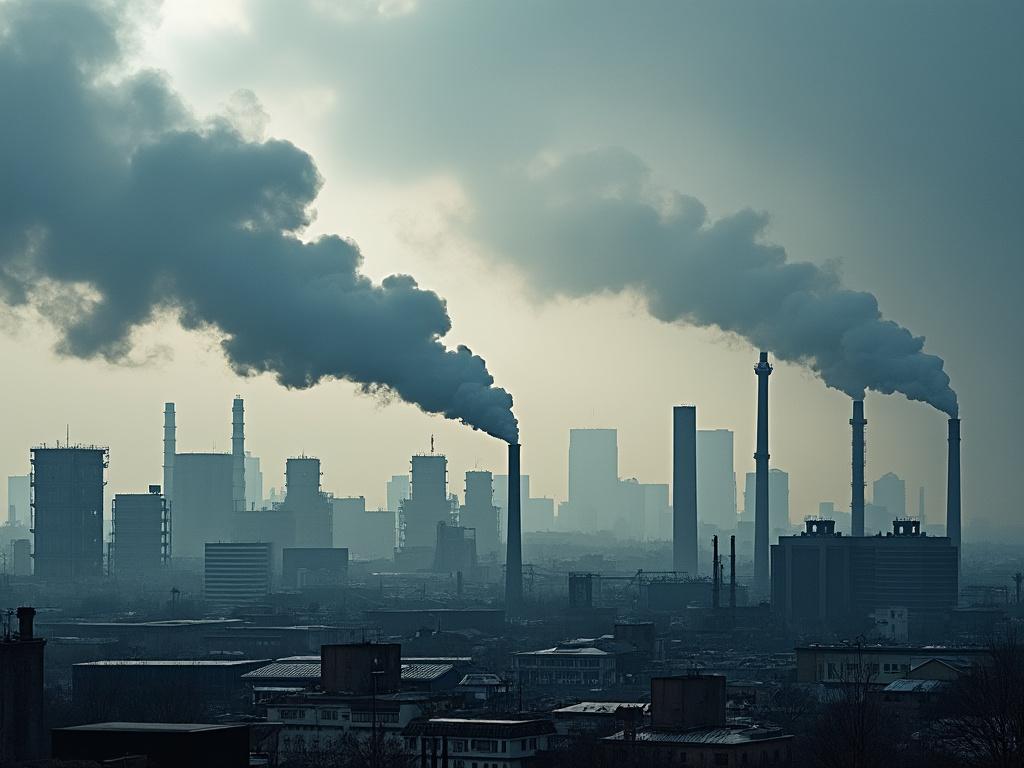
In March 2025, the EPA announced a series of deregulatory measures poised to significantly alter the landscape of environmental and public health protection. This article delves into the long-term impacts of these changes, examining regulatory capture, systemic rollbacks, and the resultant health and environmental consequences.
Regulatory Capture and Corruption Concerns
Under the broad umbrella of deregulation, a particularly troubling trend at the EPA has been the apparent increase in regulatory capture, where regulatory agencies are dominated by the industries they are supposed to regulate. Insights from experts like John Beard, Jr. reveal that significant conflicts of interest have escalated within the EPA, compromising its mission. This shift not only endangers the integrity of environmental policies but also poses direct threats to public health and safety. The concern is that when the EPA’s decision-making is influenced by industry, it may prioritize business interests over environmental and public health protections, resulting in weakened enforcement and fewer checks on industrial pollution. This alignment with industry interests can severely undermine the agency’s role in enforcing laws designed to protect the air, water, and broader ecosystems upon which life depends.
A Systematic Rollback of Vital Protections
The systematic dismantling of fundamental EPA regulations, particularly the rescission of the Endangerment Finding and vehicular emissions standards, marks a significant reversal in the American environmental policy. This step not only questions the foundational elements of the Clean Air Act but also disrupts the established belief that robust regulations protect public health and the environment. Scientific analysis demonstrates that these rollbacks will likely elevate national emissions levels, intensifying air pollution and exacerbating climate change effects. Legally, this negligence could challenge the EPA’s mandate under the Clean Air Act to limit pollutants scientifically proven to endanger public welfare. Such regulatory pullbacks unravel decades of progress in environmental law and public health safeguarding. As industry influence grows, as discussed in the previous chapter, these reversals are perceived less about efficiency and more about compromising on safety standards to benefit certain economic interests, leading to potentially severe health consequences discussed in the subsequent chapter.
Health Impacts: There’s No Safe Level of Pollution
The EPA’s deregulation initiatives pose severe health risks, particularly through increased exposure to airborne pollutants. Dr. Mark Vossler highlights the exacerbation of heart and lung diseases associated with higher levels of particulate matter and ozone. Such pollution is known to correlate directly with spikes in mortality rates, especially among children, the elderly, and those with pre-existing conditions. Vulnerable populations in economically disadvantaged areas are disproportionately affected, facing higher exposure rates and subsequent health declines. Understanding these direct health implications underscores the urgent need for maintaining stringent pollution controls, which align not only with environmental sustainability but fundamentally with public health priorities. The deregulations’ ripple effects extend beyond mere environmental degradation, posing existential threats to community health and well-being.
Broader Environmental and Climate Consequences
Weakening emissions standards and rolling back regulations on greenhouse gases (GHGs) critically undermine both U.S. and global efforts to combat climate change. These deregulatory actions directly conflict with the objectives of international agreements like the Paris Accord, which necessitates collective national efforts to reduce carbon footprints. Scientific communities worldwide stress the urgency of adhering to these international commitments to prevent imminent climate catastrophes. By allowing increased emissions, the EPA not only hampers the global collaboration required to tackle such threats but also risks irreversible damage and extreme weather alterations, compounding the public health crises previously discussed. This rollback serves as a catalyst for broader climate instability, affecting ecosystems and human societies on a global scale, thereby inviting legal and civic actions to hold regulatory bodies accountable and safeguard environmental and public health.
Legal and Civic Response
In response to the EPA’s deregulation initiatives, a robust legal and civic movement has emerged, rooted in historical precedents where advocacy and judicial review have realigned the agency’s trajectory with environmental and public health priorities. Legal challenges often invoke the Administrative Procedure Act, arguing that the EPA’s rollback decisions are arbitrary and lack sufficient scientific backing. Environmental law organizations alongside state attorneys general have been pivotal, initiating lawsuits that demand adherence to established environmental laws and scrutiny of any deregulatory actions. Moreover, civic groups have mobilized through protests, petitions, and public comment periods to exert pressure. These grassroots campaigns are crucial, amplifying awareness and pushing for legislative changes at both the federal and state levels to ensure environmental protections are not only preserved but strengthened.
Conclusions
The recent policy changes by the EPA signify a historic shift, potentially endangering public health and the environmental integrity of future generations. These deregulations, driven by industry interests, not only risk increased health issues but also threaten the legal underpinnings essential for future environmental governance.